Ask ten writers what a writing retreat is, and you’ll get ten different answers. So what is a writing retreat, really? Strip away the romance and you’re left with the basics. Protected time. A setting that refuses to fight you for attention. No laundry. No inbox. Just you and the page.
Key Takeaways
- Protected time plus a quiet setting. That’s the whole engine behind any good retreat.
- Pick your shape from a solo cabin, a guided group workshop, or a themed weekend stacked with feedback circles.
- Silence and wild surroundings? They sharpen focus and shake loose creative blocks for tons of writers.
- Book a specialized center and you skip the logistics headache completely.
- Wheel of Bliss sits on 63 mountain acres where flowing water and forest quiet do half the work for you.
So, What Counts as a Writing Retreat?
Forget the Instagram version for a second. At its core, a writer’s retreat hands you uninterrupted hours and surroundings built for focus. You ditch the errands. You silence the phone. The page becomes your one job. Some retreats wrap up in a weekend. Others run for weeks. Length barely matters next to intent, that stubborn decision to guard your creative hours and let nothing sneak past.
And that’s the line between a real writer’s retreat and a fancy vacation. On vacation, you’ll write if the mood shows up. On retreat? Writing leads, and everything else falls in behind it.
The Many Shapes Writing Retreats Take

No single mold fits every writer, so writing retreats show up in plenty of forms. Crave total silence? A solo stay hands you zero obligations and a closed door, ideal for drafting or wrestling a stubborn middle chapter. Prefer company? Group gatherings bring workshops, shared meals, and that jolt of reading your work out loud. Then you’ve got guided versions, where an author or coach reads your pages and pushes them forward.
Themed gatherings zoom in tighter. Poetry intensives. Memoir circles. Genre bootcamps for novelists racing toward a finish line. Curious but not ready to block off a whole week? Loads of writers start with a short day retreat, testing the rhythm of distraction-free hours before they commit to seven days away.
Not sure which fits you? Here’s a fast way to match the setup to your mood.
| Retreat type | Pick it when |
|---|---|
| Solo | You want silence and nobody else’s schedule |
| Group | You crave feedback and a little company |
| Guided | You want a coach shaping your pages |
| Themed | You’re knee-deep in one genre |
What a Day at a Writing Retreat Feels Like
Mornings move slow. Coffee on the porch. A short walk before your brain fully boots up. Lots of writers guard the first hours after sunrise for their sharpest thinking, before the page clogs with yesterday’s worries.
By midday, the real work kicks in. Doors shut. Headphones on. Your manuscript grabs the bulk of your focus. Some centers slot in optional extras around then, a craft talk, a feedback circle, a guided stretch to loosen shoulders gone stiff from typing.
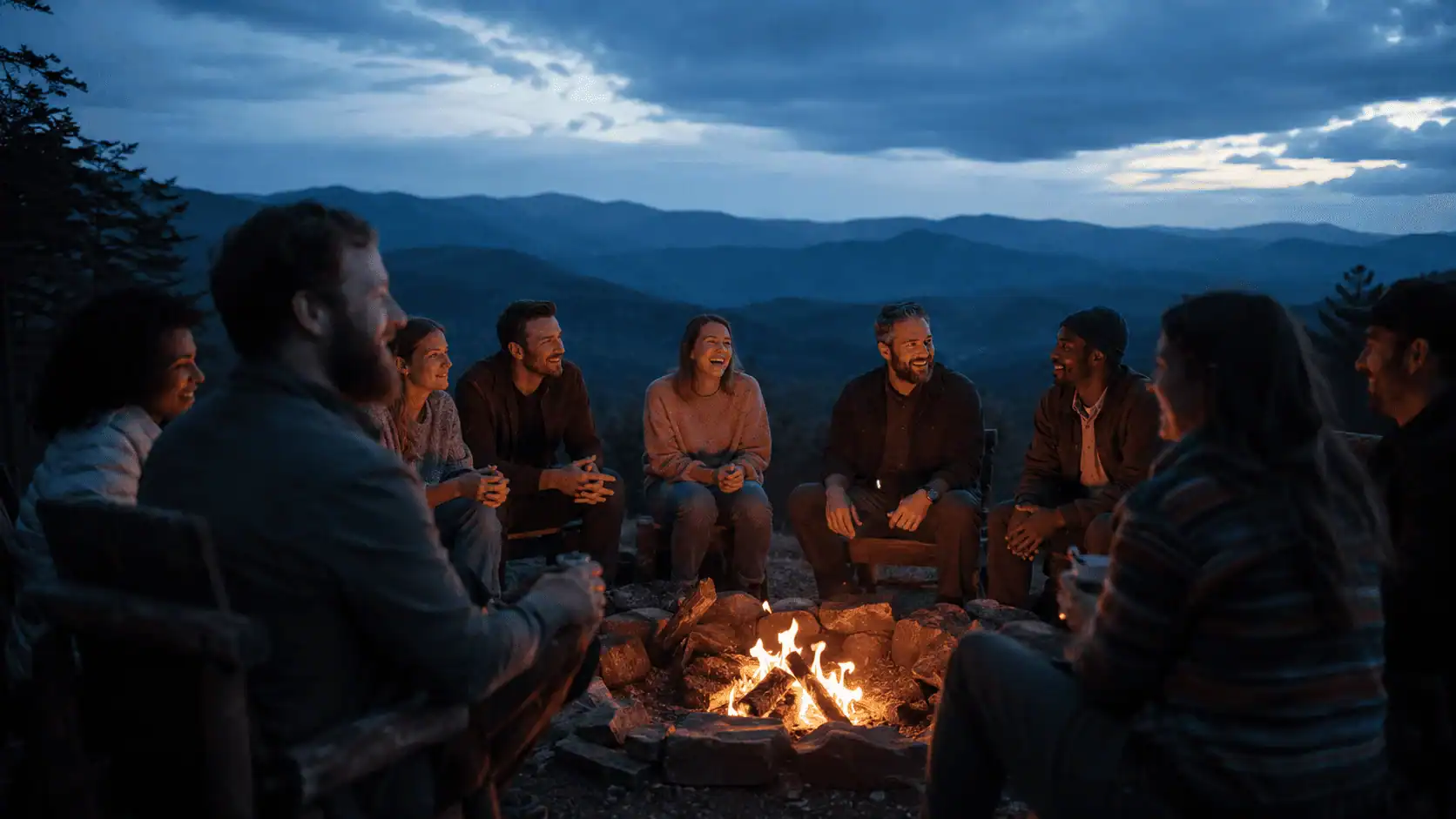
Come afternoon, the pace eases off. Maybe a nap. Maybe a hike to a waterfall, or a paperback in a hammock. Evenings gather everyone for dinner and the loose, easy talk that only sparks among people chasing the same goal. After that? Night owls drift back to their desks. Early birds call it a night.
Why Writers Keep Coming Back
Why do writers book these again and again? The math runs brutal and simple. Word counts shoot up when nothing’s tugging at your sleeve. Folks finish in four days what limped along for four months at home. Past the raw page count, a change of scenery rewires something, new walls, new light, fewer excuses to scroll your phone.
Then there’s the crowd. People who get the specific ache of a chapter that won’t end. Dinner slides into idea-trading. A dead-end plot loosens over coffee. And here’s the quiet gift, permission to treat your writing as priority number one, not the scrap of energy left after a long day.
Habits stick fast in a bubble like this. Write before breakfast three days running and the rhythm starts feeling normal, the kind of discipline that trails you home weeks later. Plenty of finished novels trace their first honest chapters to one quiet week somewhere green.
How Silence and Wild Surroundings Feed the Work

Noise scatters thought. Quiet pulls it back together. When the loudest sound around you is water sliding over rocks or wind threading through pines, your mind quits bracing for the next interruption and starts to roam. That roaming? It’s where the good ideas live.
Awareness practices slide right in. A slow walk at dawn. Five minutes of breath work before the laptop opens. A mindful beat between scenes. Each one wipes the mental clutter and drops you back on the page a little sharper. Wild settings crank up the effect. Research on attention restoration points to a real payoff. Time among trees and water eases mental fatigue and frees up the deep focus serious writing eats through.
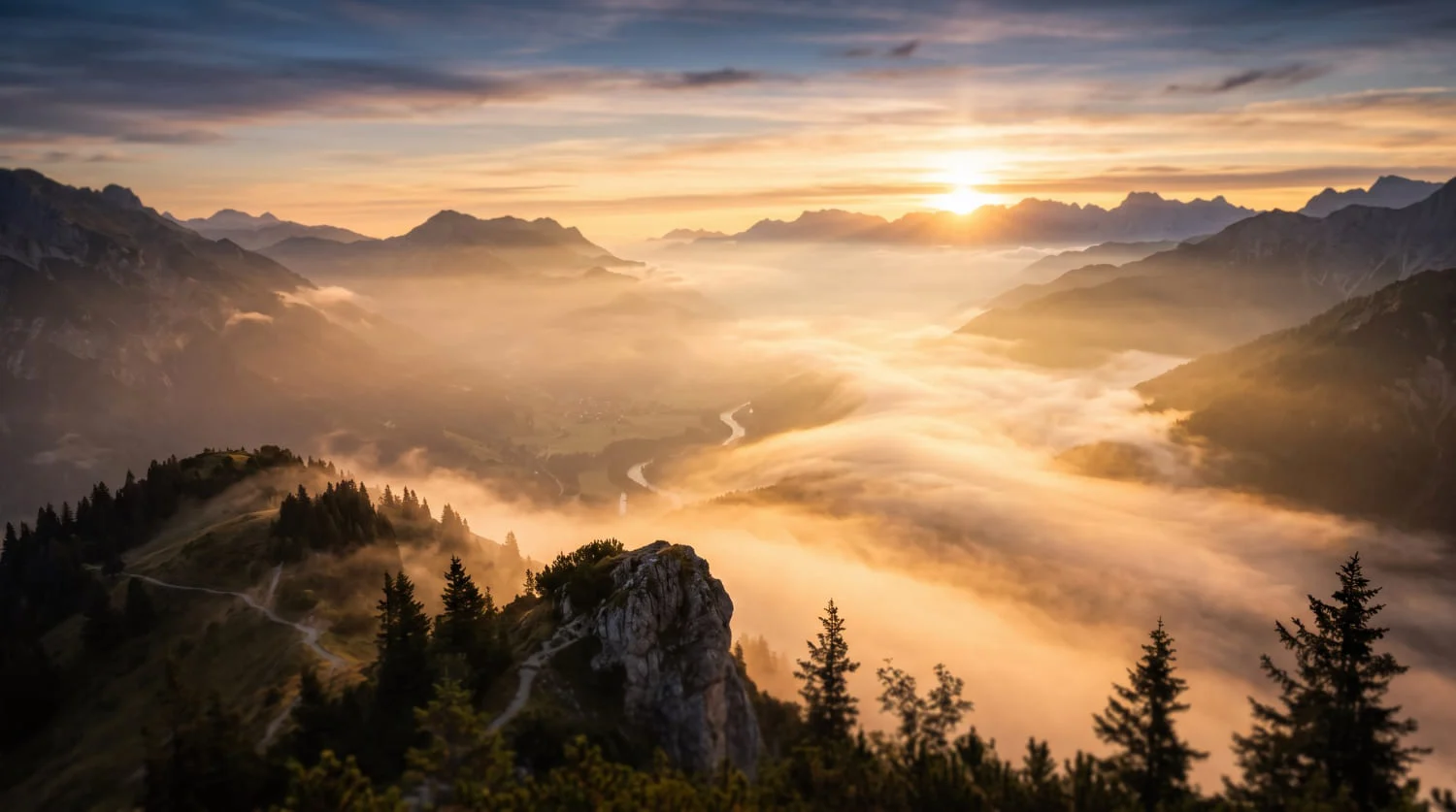
This sits at the heart of what Wheel of Bliss does. Perched on 63 acres in the Blue Ridge Mountains near Hot Springs, North Carolina, the place tucks into National Forest, ringed by streams, waterfalls, and ridgelines in every direction. No traffic. No neon. Just birdsong, moving water, and space to think. Corners like the ceremonial yurt and the secluded mountain sanctuary hand writers their own pockets of quiet, some for heads-down drafting, some for the stillness that tops the creative tank back up.
Should You DIY It or Book a Center?
You could pull this off solo. Sure. Rent a cabin, stock the fridge, cross your fingers the wifi stays too weak to tempt you. Sometimes that works beautifully. Other times the water heater quits, the neighbors throw a bonfire bash, and three precious writing days drain away into errands and repairs.
Book a specialized center and the gamble disappears. Meals show up. Rooms stay quiet on purpose. Someone else wrangles the firewood, the schedule, the tiny crises that bleed your creative energy dry. You walk in, drop your bag, and write.
For solo writers, handing all of that off explains a lot about why solo retreats keep drawing people in. Fewer decisions, more depth, and a whole week that belongs to the work you actually drove out there to do.
FAQ
What should I pack for a writers retreat?
Start with the obvious. Your draft, a dependable laptop or a Moleskine, and layers for mountain weather that swings hard between morning and noon. Toss in whatever flips your brain into work mode, a lucky pen, a go-to Spotify playlist, that battered notebook you trust. Everything else? Leave it home.
Do I need to be a published author to attend?
Nope. Hobbyists, first-time novelists, bloggers, grizzled pros, they're all welcome. The single requirement? You want to write with fewer interruptions.
Are writers retreats only for working alone?
Not even close. Solo stays click for some writers, but group and guided gatherings pile on feedback, accountability, and real community. A lot of centers run both, so you pick the energy that matches your project.
Why pick a center over a hotel or rental?
Hotels court tourists. Rentals dump chores in your lap. A retreat center bends everything toward the work. Hushed rooms. Meals handled. Surroundings that quiet a buzzing head. You'll spot the difference right there in your word count.