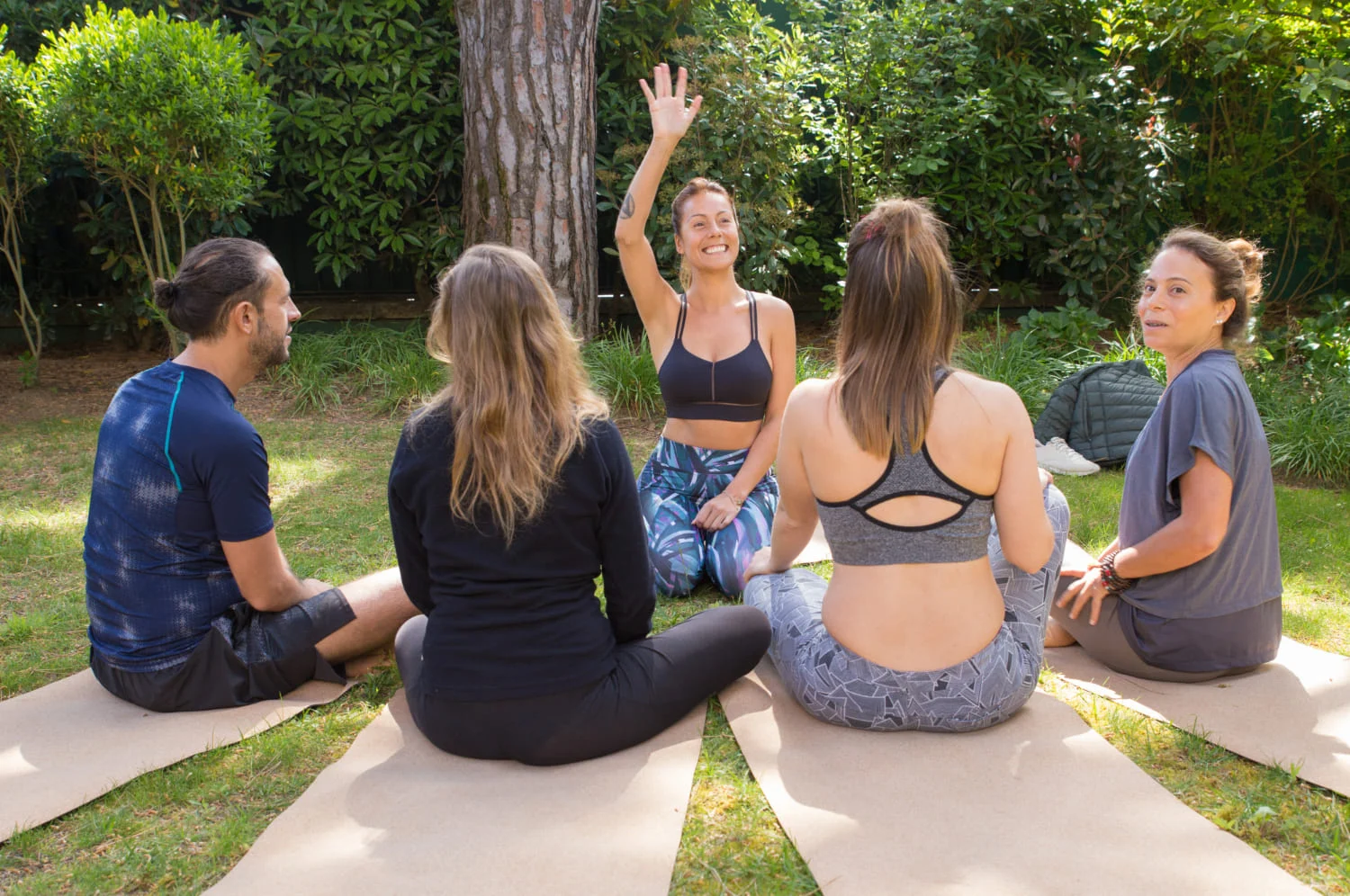
Sitting cross-legged on a cushion, eyes shut, brain supposedly empty. That’s what most people picture when somebody mentions meditation. But the different types of meditation out there couldn’t be more varied, and some look absolutely nothing like that serene image plastered across every yoga studio’s Instagram feed. From practices that get you moving through a forest to ones that have you repeating a single syllable for twenty minutes straight, there’s a whole menu worth sampling.
Key Takeaways
- Not all meditation asks you to sit still and quiet your mind, and finding a practice that fits your personality makes consistency far easier
- Mindfulness and body scan practices offer a gentle starting point for absolute beginners
- Loving-kindness and mantra meditation deliver powerful emotional and psychological benefits
- Movement-based practices like walking meditation suit anyone who fidgets through sitting sessions
- Trying a new meditation style during a retreat can fast-track your connection to a practice
- The “best” meditation is always the one you’ll actually come back to tomorrow
Not All Meditation Looks the Same
A lot of newcomers assume every session looks the same. Sit down. Close your eyes. Think about nothing. And if your brain won’t cooperate? You must be doing it wrong.
That belief keeps a shocking number of people from ever trying again. The reality is that different meditation types cater to wildly different needs. Some calm anxiety. Some build emotional resilience. Others sharpen focus or help you work through grief. Your restless cousin who can’t sit through a movie? Walking meditation might be perfect for her. Your friend who overthinks everything? A mantra-based practice could give his brain the anchor it needs.
Think of this guide as a tasting menu. No pressure to commit. Just an honest look at what each practice actually feels like and who tends to benefit most.
Mindfulness Meditation
This is the one most people have heard of, and for good reason. Mindfulness meditation asks you to pay attention to the present moment without judging it. Sounds simple. Feels anything but.
What it looks like in practice. You sit comfortably, focus on your breath, and notice when your mind wanders. No chanting, no visualization, no special equipment required. When a thought pops up (and it will, far more than you’d expect for beginners), you acknowledge it and gently return your attention to breathing. The real win is in that return, not in achieving some blank-slate state of mind.
Who gravitates toward it. Anyone dealing with stress, anxiety, or a brain that won’t shut up at 2 a.m. Mindfulness has decades of clinical research behind it, and it’s probably the most accessible meditation type for someone who’s never tried any form of sitting practice. If you’re brand new and want a detailed walkthrough, a solid guide on how to practice meditation can make those first sessions feel way less awkward.
Loving-Kindness Meditation (Metta)

You might feel silly the first time you try this one. Fair warning. Loving-kindness meditation, rooted in Buddhist tradition, involves silently repeating phrases of goodwill toward yourself and others. Think along the lines of “may you be happy, may you be safe, may you be at peace.”
You start by directing those wishes inward. Then you expand the circle to someone you love, then to a neutral person, and then to someone you find genuinely difficult. The practice deliberately stretches your capacity for empathy, and that stretch is where the real benefit lives.
People dealing with self-criticism, resentment, or grief tend to find metta especially moving. Research from institutions like Stanford and the University of North Carolina has linked regular loving-kindness practice to reduced symptoms of depression and increased feelings of social connectedness. It won’t fix everything overnight, but it quietly rewrites some deep emotional patterns over time.
Body Scan Meditation
Perfect for the person who carries tension in their shoulders without realizing it (so, basically everyone). Body scan meditation walks you through each region of your body, one at a time, asking you to notice sensations without trying to change them.
You’ll usually lie down for this one. Starting at the crown of your head or the tips of your toes, you slowly move your attention through every muscle group. Tight jaw? Just notice it. Fluttery stomach? Sit with that feeling for a moment. The goal isn’t relaxation, exactly. It’s awareness. And the relaxation that follows tends to run far deeper than anything you can force.
This meditation style clicks especially well with people who live in their heads all day and have lost touch with physical cues. Chronic pain sufferers also report meaningful relief, as the practice teaches the nervous system to respond to discomfort with curiosity, not panic.
Mantra Meditation and Transcendental Meditation
If you’ve ever caught yourself humming a song on loop and felt oddly calm about it, you already grasp the principle behind mantra meditation. This practice involves repeating a word or phrase, silently or aloud, to anchor the mind and create a rhythmic focus.
Transcendental Meditation (TM) is the most well-known version. Popularized in the West by Maharishi Mahesh Yogi and famously adopted by The Beatles, TM assigns each practitioner a personalized mantra during a formal training course. The repetition acts as a vehicle, carrying the mind past surface-level chatter into deeper states of rest.
You don’t need a formal TM course to try mantra meditation, though. Pick a word that feels grounding. “Om.” “Peace.” “Calm.” Even just “one.” Repeat it for ten to twenty minutes and notice what happens. The rhythm gives your thoughts something constructive to do, which is exactly why this meditation technique appeals to people who find breath-focused practices frustrating.
Guided Visualization
Close your eyes and imagine you’re walking through a sunlit forest. A creek runs alongside the trail. Birds call from somewhere above the canopy. You can almost smell the pine needles. That right there? That’s guided visualization in action.
A narrator, either live or recorded, leads you through vivid mental imagery designed to produce a specific outcome. Some visualizations aim at stress reduction, painting calm, natural scenes. Others target performance, having you mentally rehearse a presentation or an athletic event. A few venture into more spiritual territory, guiding you through inner worlds that feel deeply personal and surprisingly real.
Athletes, performers, and anyone battling insomnia tend to love this one. It also works beautifully for people who’ve tried mindfulness and felt frustrated by the lack of structure. Visualization gives the mind a story to follow, and that narrative thread keeps attention from bouncing around the room.
Walking and Movement Meditation

Telling someone with ADHD to sit completely still for thirty minutes and “just breathe” is a recipe for disaster. Movement meditation exists for exactly these people, and for anyone else who thinks best on their feet.
Walking meditation is the most traditional form. You walk slowly and deliberately, paying close attention to the sensation of each foot meeting the ground. Heel, ball, toes. Lift, move, place. There’s a rhythmic beauty to it that’s hard to describe until you’ve felt it yourself.
Yoga and tai chi count here, too. Both were originally designed as moving meditations long before the West rebranded them primarily as fitness routines. The body becomes the object of focus, and the movement itself serves as the same anchor that breathing provides in seated practices.
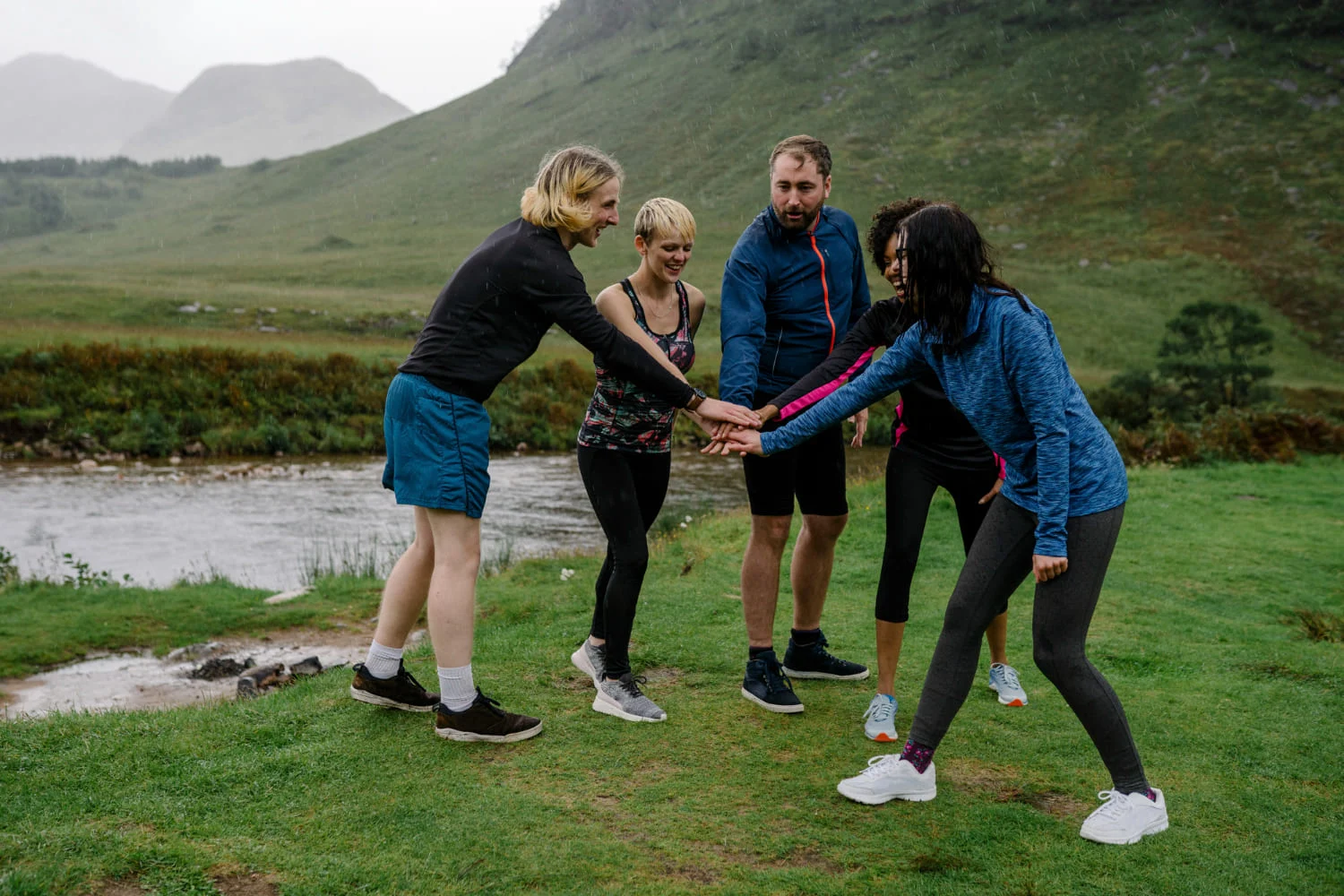
This is a phenomenal fit for restless personalities, people recovering from trauma who find stillness triggering, and anyone craving a meditation practice they can fold into time spent outdoors.
Breathwork Meditation
Breathwork sits at the crossroads of meditation and physical practice. Pranayama from the yogic tradition, box breathing favored by Navy SEALs, and the Wim Hof breathing protocol all use deliberate patterns of inhalation, exhalation, and breath retention to alter your physiological state.
The sensations can be intense. Tingling hands. Light-headedness. Rushes of emotion that seem to come from nowhere. Some people cry. Some laugh. A few do both within the same session.
Breathwork has a direct, measurable impact on stored physical tension, heart rate variability, and cortisol levels. If you tend to experience stress as a full-body event (tight chest, shallow breathing, clenched fists), breathwork speaks to those symptoms with unusual precision. It’s a practice that doesn’t ask you to think your way to calm. It asks you to breathe your way there.
Quick-Reference Guide
| Meditation Type | What It Feels Like | Best For |
|---|---|---|
| Mindfulness | Sitting quietly, returning focus to the breath again and again | Stress, anxiety, and general beginners |
| Loving-Kindness (Metta) | Silently repeating well-wishes for yourself and others | Self-criticism, grief, and emotional healing |
| Body Scan | Lying down, moving attention slowly through each body part | Tension, chronic pain, reconnecting with the body |
| Mantra and TM | Repeating a word or sound in a steady rhythm | Racing thoughts, need for a mental anchor |
| Guided Visualization | Following a narrator through vivid mental imagery | Insomnia, performance anxiety, and creative minds |
| Walking and Movement | Slow, deliberate physical motion with full attention | Restless personalities, trauma recovery, outdoor lovers |
| Breathwork | Controlled breathing patterns that alter your physical state | Stored tension, body-held stress, emotional release |
Why a Retreat Is the Best Place to Experiment

Reading about different types of meditation is a solid first step. Actually trying them? That requires space, time, and the kind of quiet that’s hard to come by between your phone buzzing and your neighbor’s leaf blower firing up every Saturday at 7 a.m.
That’s what makes wellness retreats such a powerful entry point for trying new meditation techniques. A retreat strips away the daily noise and gives you room to test several practices over the course of a few days. Breathwork on Monday, walking meditation on Tuesday, metta practice by Wednesday, all with guidance and zero distractions.
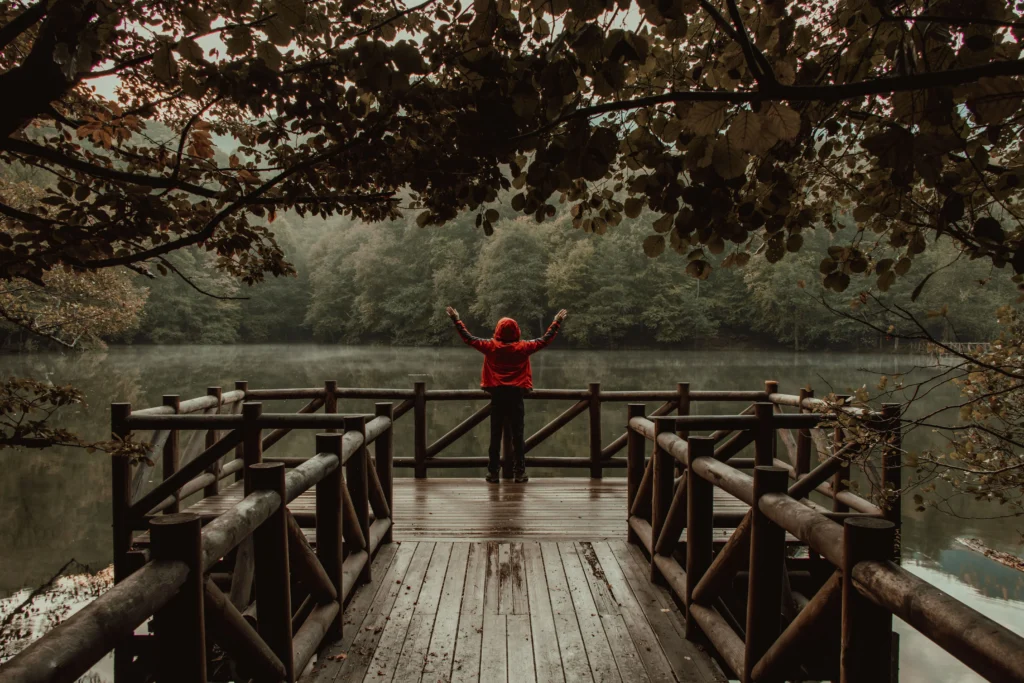
Wheel of Bliss, a 63-acre retreat sanctuary nestled in the Blue Ridge Mountains of Hot Springs, North Carolina, was built for exactly this kind of hands-on discovery. The land itself becomes part of your practice. Streams, ridgelines, old-growth forest, and open meadows create the sort of setting where sitting down to meditate feels less like a chore and more like a privilege. When you can hear nothing but birdsong and running water, dropping into a new meditation type becomes surprisingly natural.
FAQ
Can I practice more than one meditation type at a time?
Absolutely. Many experienced practitioners mix several meditation types into their weekly routine. You might use mindfulness for daily stress management and body scan meditation before bed. Mixing practices keeps your routine fresh and addresses different needs on different days.
How long should a meditation session last?
Start with five to ten minutes if you're new. That's enough to build the habit without overwhelming yourself. Most people gradually extend their sessions to twenty or thirty minutes as the practice becomes more natural and less forced.
Do I need any special equipment to meditate?
No. A quiet spot and a few uninterrupted minutes are all you really need. Some people enjoy cushions, timers, or guided meditation apps, but none of that is required. Your breath and your attention are the only tools that matter.
What if I can't stop my thoughts during meditation?
Nobody can. That's one of the biggest myths floating around. Meditation doesn't ask you to eliminate thoughts. The whole practice comes down to noticing when your mind has wandered and bringing it back. Every single time you catch the wandering and redirect, you're building the exact mental muscle that meditation is designed to strengthen.