Your next vacation might not involve a beach at all. Forget the all-inclusive resort with its swim-up bar and infinity pool. The wellness retreat trends 2026 crowd wants something that actually rewires how they feel when they get home, and the centers meeting that demand look nothing like the spa weekends your parents booked in 2015.
Key Takeaways
- Personalized wellness programs have replaced mass-market schedules, with centers now building tailored itineraries around individual intake assessments
- Phone-free retreats? Not extreme anymore. They’re selling out months ahead of time.
- Breathwork went from fringe practice to headlining retreat draw, backed by clinical research that keeps growing
- Solo retreat bookings have surged, particularly among women aged 30 to 50 who’ve grown tired of performative group travel
- Eco-conscious destinations pull guests who care as much about land stewardship as yoga mats
- Sound healing and ceremonial gatherings keep attracting audiences well beyond traditional spiritual circles
Personalized Wellness Has Taken Over
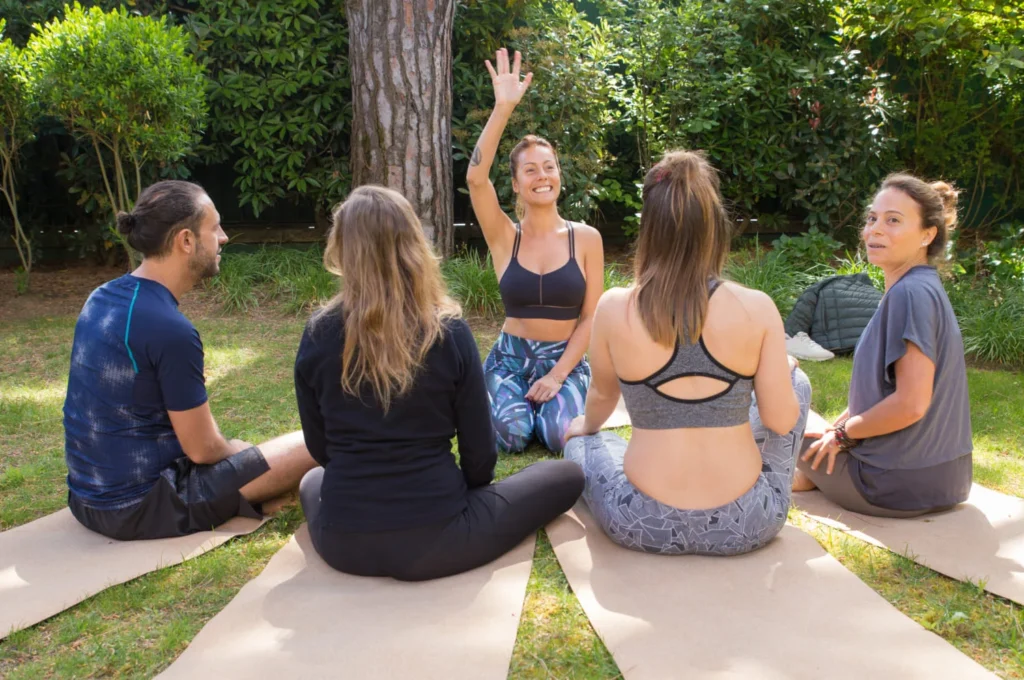
Generic retreat schedules are dying. Fast. The wellness trends 2026 crowd wants programming built around their specific goals, their health histories, their nervous systems. A mother recovering from postpartum depletion and a burned-out tech executive at a Fortune 500 company have wildly different needs. The retreats gaining traction right now? They acknowledge that gap with customized itineraries that start before you even arrive.
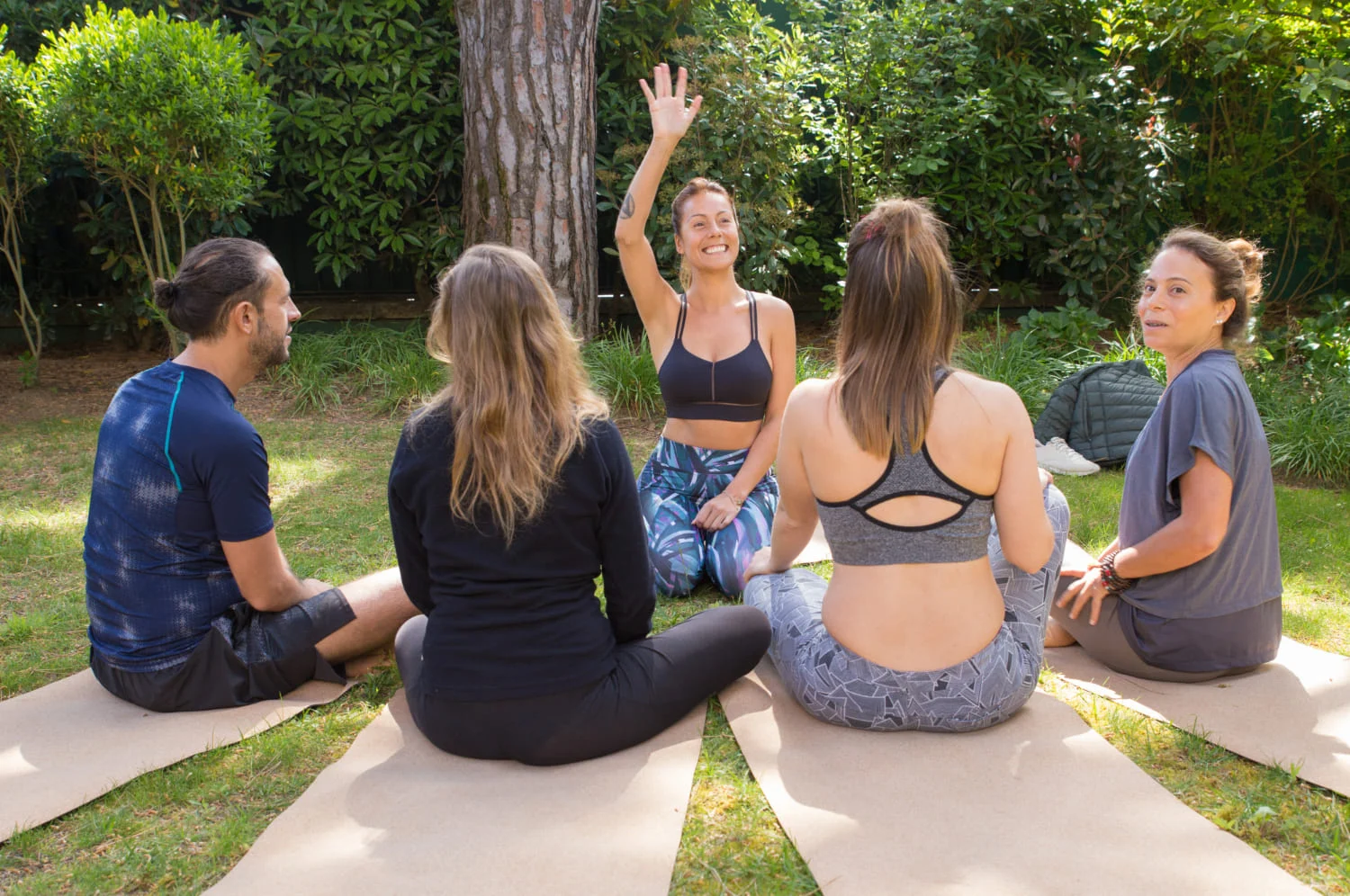
Some centers send intake questionnaires weeks ahead of your stay. Others pair you with a resident practitioner who tweaks the daily rhythm based on how you’re actually feeling, not how the brochure assumed you’d feel. One guest might kick off each morning with a cold plunge and breathwork, skip group yoga entirely, and spend the afternoon in a one-on-one somatic therapy session. Another might follow a strict silent meditation schedule punctuated by communal meals and nothing else.
Same retreat center. Same week. Totally different programs.
That flexibility is the selling point. And the retreats offering it pull repeat visitors at rates that rigid group-format programs can’t touch.
Bigger picture in wellness travel trends? People aren’t booking retreats to check a box or post a photo. They’re investing in experiences calibrated to their own bodies, and they’re paying premium rates for that precision.
Screens Off, Senses On
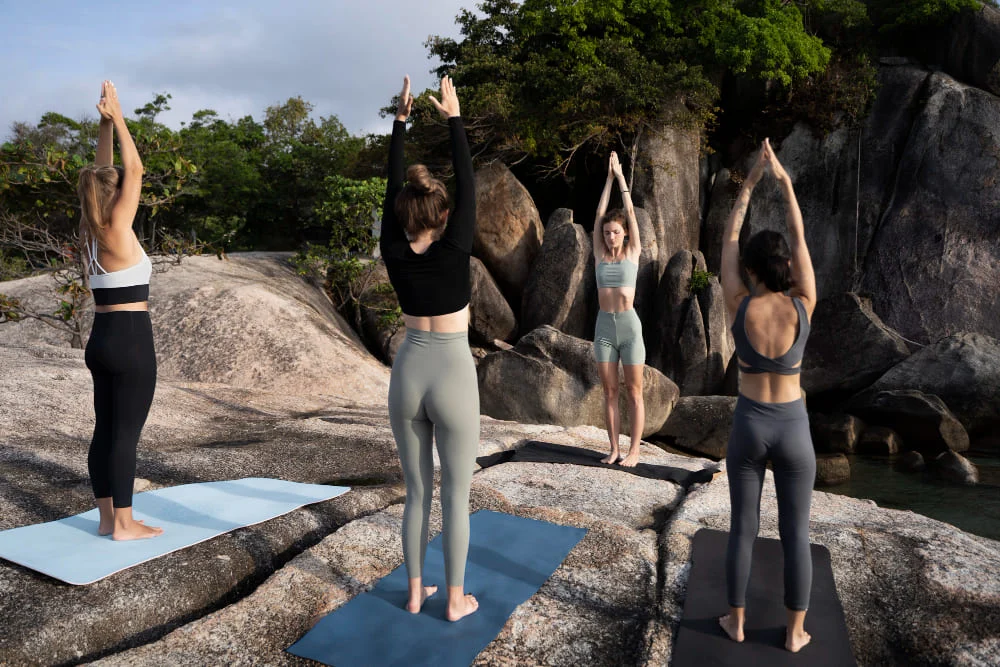
Phone-free retreats used to sound like punishment. Now they’re booked solid months ahead of time.
The digital detox movement has graduated from trendy hashtag to legitimate wellness category, fueled by years of research linking chronic screen time to anxiety, poor sleep, and shrinking attention spans. Retreat centers that once politely suggested leaving your phone in your room now collect devices at check-in and lock them in a safe for the duration of your stay.
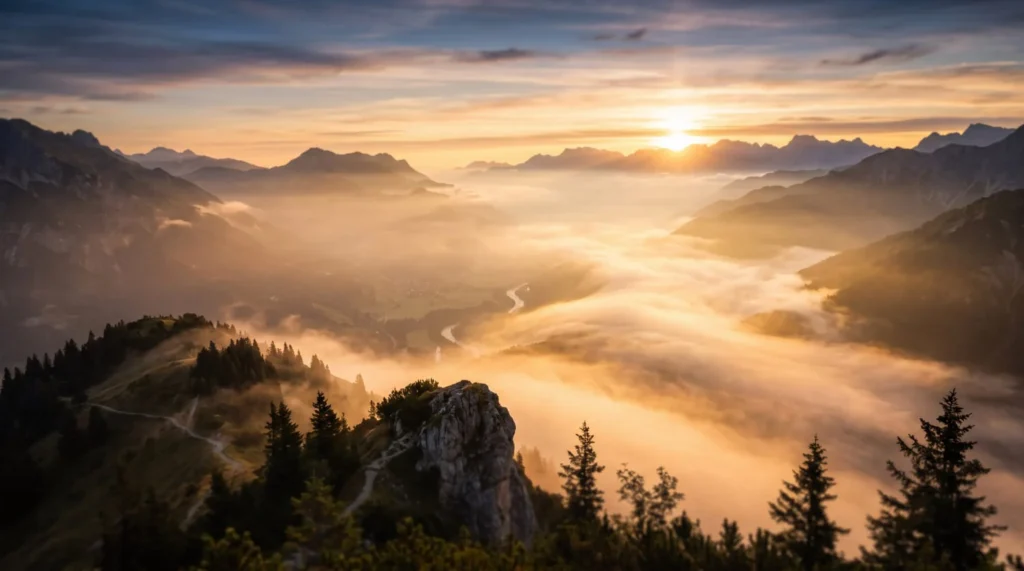
And what fills the void? That’s the real story. Without screens, guests gravitate toward long conversations, forest walks, journaling, and an almost forgotten capacity for productive boredom. Centers like Wheel of Bliss, a 63-acre sanctuary tucked into North Carolina’s Blue Ridge Mountains, lean into this beautifully. Forested trails, flowing streams, and the kind of mountain silence you can feel in your chest offer exactly the sensory reset no app can replicate.
Guests who come for wellness retreats in this setting discover that unplugging becomes effortless when the surroundings themselves become the entertainment. You don’t miss your phone when a waterfall is drowning out the noise in your head.
Breathwork Goes Mainstream
Yoga opened the door. Breathwork kicked it wide open.
Conscious breathing techniques like holotropic breathwork, Wim Hof-inspired cold breath protocols, and pranayama-based sessions now anchor retreat programming worldwide. A single session can produce altered states of consciousness, emotional release, and measurable drops in cortisol levels. For retreat-goers who find seated meditation too passive, breathwork delivers intensity and immediate felt results.
Here’s what catches most newcomers off guard. The practice hits hard. Physically. Tingling hands, tears, laughter, waves of heat rolling through the body. It’s not subtle, and that rawness is exactly why it resonates with people who struggle to sit still.
Wellness retreat 2026 itineraries increasingly feature breathwork as a headlining draw, not a side offering you squeeze in between yoga classes. Multi-day retreats structured entirely around breath-centered practices sell out regularly, and facilitators trained in specialized breathwork modalities rank among the most sought-after leaders in the retreat world.
The Solo Retreat Boom
Traveling alone used to carry a whiff of loneliness. That old stigma? Gone.
Solo retreats, especially silent ones, represent one of the most surprising wellness travel trends of the past two years. Booking platforms report sharp year-over-year increases in solo retreat reservations, with women between 30 and 50 leading the charge by a wide margin.
Think about who’s driving this. Burned-out professionals tired of group vacations that still demand social performance. Parents who need space that feels genuinely, unapologetically theirs. Creatives hungry for uninterrupted hours to think, write, or do absolutely nothing at all.
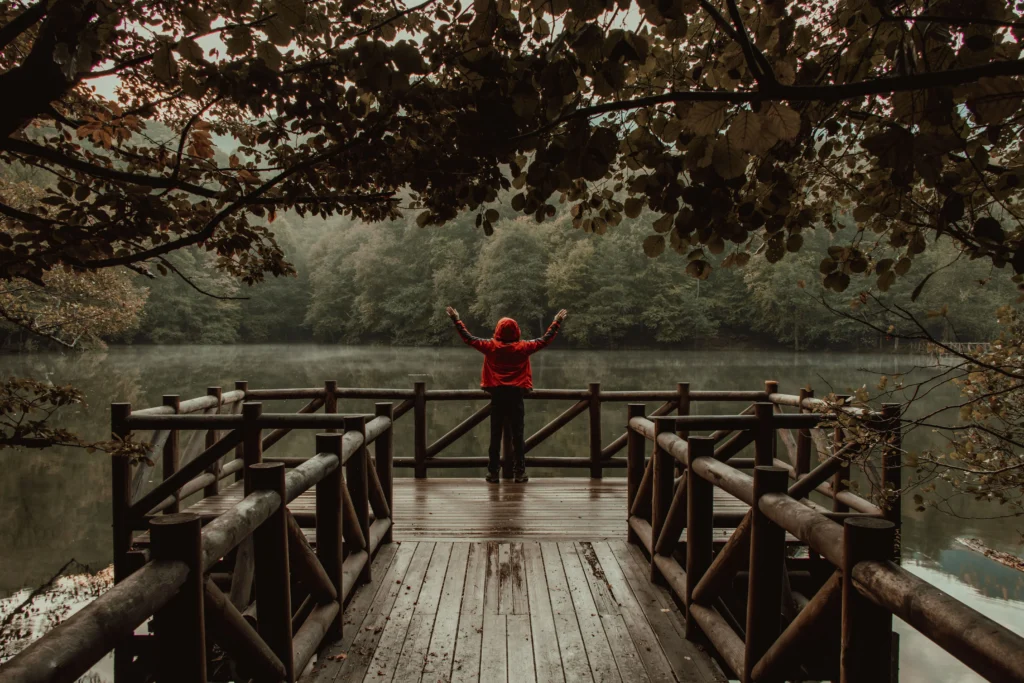
The best solo retreat destinations pair private lodging with optional communal spaces. That balance between solitude and connection matters more than most centers realize. You want to know you can join a group meditation or share dinner with others if the mood strikes, but you also want a door you can close whenever you need it.
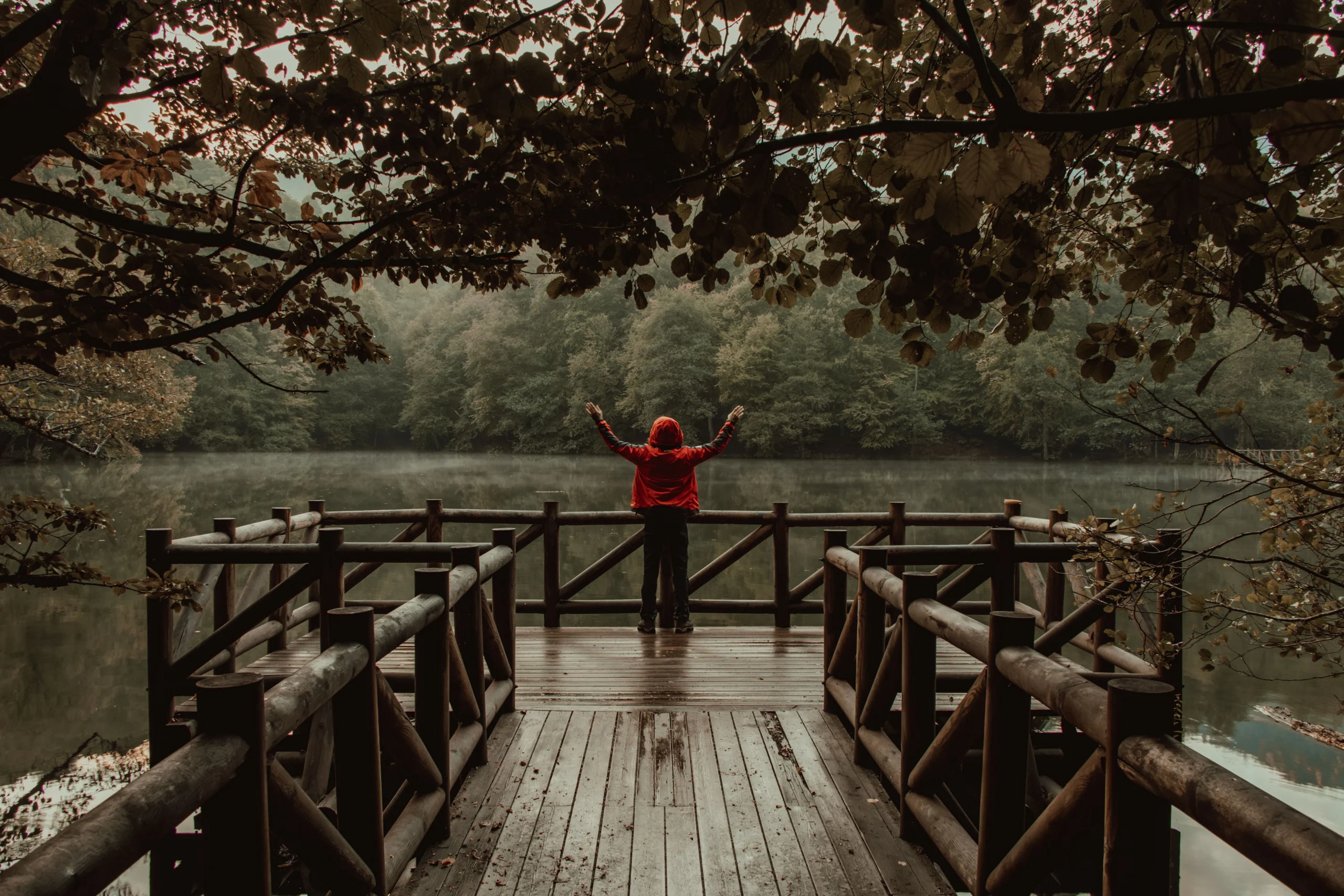
Silence plays a huge role here. Many solo retreats now build in structured silent periods, from 24-hour blocks to full multi-day stretches where no conversation happens at all. First-timers almost always report initial discomfort that melts into a kind of mental clarity they haven’t experienced since childhood. The demand runs so deep that retreat centers with private cabins and natural seclusion keep waitlists months long.
Eco-Retreats and the New Sustainability Standard
Green buzzwords are everywhere. Guests have gotten savvy enough to tell the difference between a retreat that talks about sustainability and one that lives it.
Eco-conscious retreats in 2026 go well beyond recycling bins and organic smoothies. The properties earning loyal followings are the ones with certified wildlife habitats, active land restoration programs, renewable energy systems, and food sourced within walking distance of the kitchen. Guests want to see the compost pile. They ask where the water comes from. These questions would’ve seemed strange ten years ago.
Places like Wheel of Bliss stand apart here. The center’s 63 acres carry a Certified Wildlife Habitat designation, and the land itself works as a living classroom for ecological stewardship. Stream restoration, natural spring water, solar energy goals, and a permaculture-informed footprint mean that visitors become part of the healing when they arrive. You rest in a place that actively restores the ground around you.
For anyone asking what is a wellness retreat in 2026, the answer now includes an environmental conscience. The retreats pulling the most devoted audiences are those where sustainability isn’t a marketing line but a daily practice rooted in genuine care for the earth.
Sound, Ceremony, and the Return to Ritual
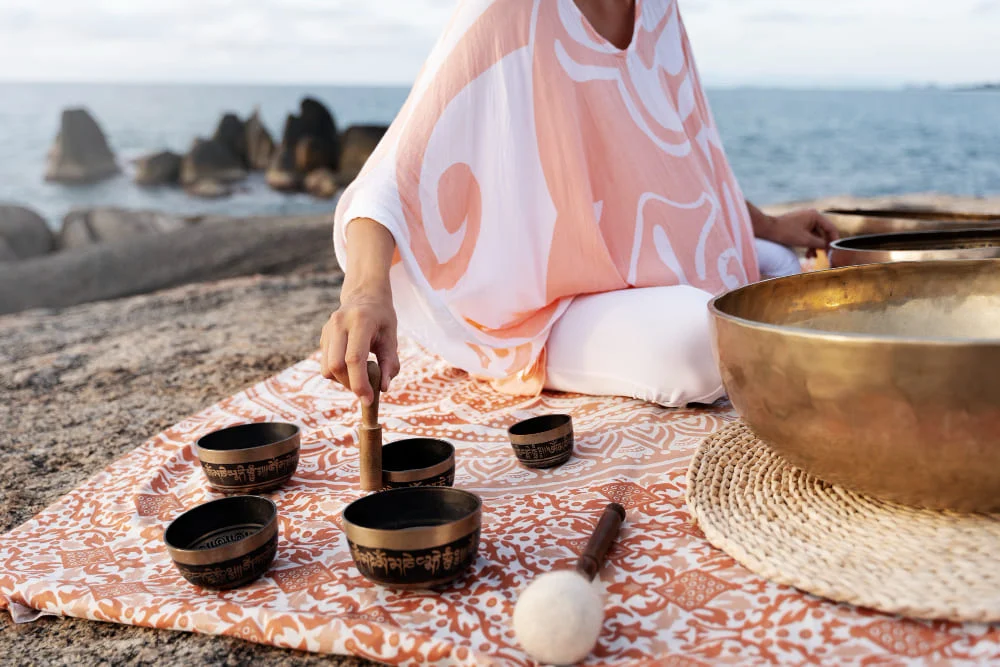
Crystal bowls, gongs, tuning forks, vocal overtone chanting. Five years ago, most wellness travelers would’ve scrolled right past these offerings. Not anymore.
Sound-based healing sessions now sit on retreat schedules alongside yoga and meditation as standard programming. Research from institutions like the University of California has documented measurable reductions in tension, pain, and negative mood states following sound bath interventions. That kind of clinical backing has opened doors among audiences who previously dismissed sound healing as too “woo-woo” to take seriously.
Ceremonial retreats ride a parallel wave. Fire circles, cacao ceremonies, ancestral rituals, and sacred gatherings pull from indigenous wisdom traditions and invite participants into a slower, more intentional relationship with time, community, and the land beneath their feet.
What separates ceremony from a regular group session is intentionality. You’re not sitting passively. You’re an active contributor to a shared experience that unfolds according to traditions far older than the modern wellness industry. Wheel of Bliss, with its Celestial Center yurt and sacred mountain sanctuary, was built for exactly this kind of gathering. Its roots in Tibetan Buddhist practice and its openness to interfaith ceremony make it one of the rare retreat spaces where ceremonial work feels genuine, not performative.
How 2026 Retreats Compare to Previous Years
| Trend | Pre-2024 Retreats | 2026 Retreats |
|---|---|---|
| Personalization | Fixed group schedules for all guests | Tailored itineraries built from intake assessments |
| Technology | Phones discouraged but allowed | Phones collected and locked away for the stay |
| Breathwork | Occasional add-on session | Headlining multi-day programs |
| Solo Travel | Limited and somewhat stigmatized | Fastest-growing booking category |
| Sustainability | Recycling bins and organic menus | Certified habitats, land restoration, renewable energy |
| Sound and Ceremony | Niche spiritual offerings | Mainstream programming backed by clinical research |
These wellness travel trends tell a clear story. The bar has moved, and it’s not coming back down. Retreat-goers in 2026 refuse to settle for surface-level pampering or vague promises of renewal. They want depth, accountability, and a retreat experience that lingers long after they unpack their bags at home.
FAQ
Who is booking wellness retreats in 2026?
The audience has expanded dramatically. Burned-out professionals, solo female travelers between 30 and 50, couples seeking reconnection, and creatives hungry for uninterrupted time all represent growing segments of the wellness travel market.
How long do most wellness retreats last in 2026?
Retreat lengths vary widely. Weekend programs of two to three days remain popular for newcomers, but the fastest-growing category is the five-to-seven-day immersive retreat. Some centers now offer month-long residency programs for guests seeking deeper engagement.
Are digital detox retreats actually effective?
Research continues to support the benefits of extended screen-free periods. Participants in phone-free retreats consistently report improved sleep quality, reduced anxiety, and stronger interpersonal connections. Many guests describe the first 24 hours as uncomfortable and the remaining days as revelatory.
What should I look for when choosing a wellness retreat in 2026?
Prioritize retreats that offer personalized programming, transparent sustainability practices, and qualified facilitators. A strong natural setting matters enormously. Look for centers with dedicated meditation or ceremony spaces, private and communal lodging options, and a clear commitment to the land they occupy.