Some questions sound deceptively simple until you actually try to answer them. What is a spiritual retreat, exactly? Strip away the wellness buzzwords and the brochure photography, and what remains is a deliberate pause, taken somewhere away from ordinary life, to reconnect with whatever you hold sacred. That’s the core of it.
Key Takeaways
- A spiritual retreat is a structured time away from daily routines, designed to deepen self-awareness and inner peace
- Spiritual healing retreats address emotional recovery through contemplative practice, ceremony, and nature immersion
- The physical environment of a retreat actively shapes what becomes possible internally
- Women’s spiritual retreats offer community-centered healing in spaces designed for that specific shared dynamic
- A quality spiritual retreat space holds ceremony, silence, and genuine connection in equal measure
- Day retreats and week-long immersions each serve different needs, and neither is more legitimate than the other
What It Actually Means
“Spiritual retreat” is one of those phrases that gets stretched until it loses all definition. Spa weekends claim the label. So do silent meditation intensives and, occasionally, corporate off-sites that someone rebranded with vague language about renewal. The word “spiritual” does real work here. It signals that something other than productivity or entertainment is the point.
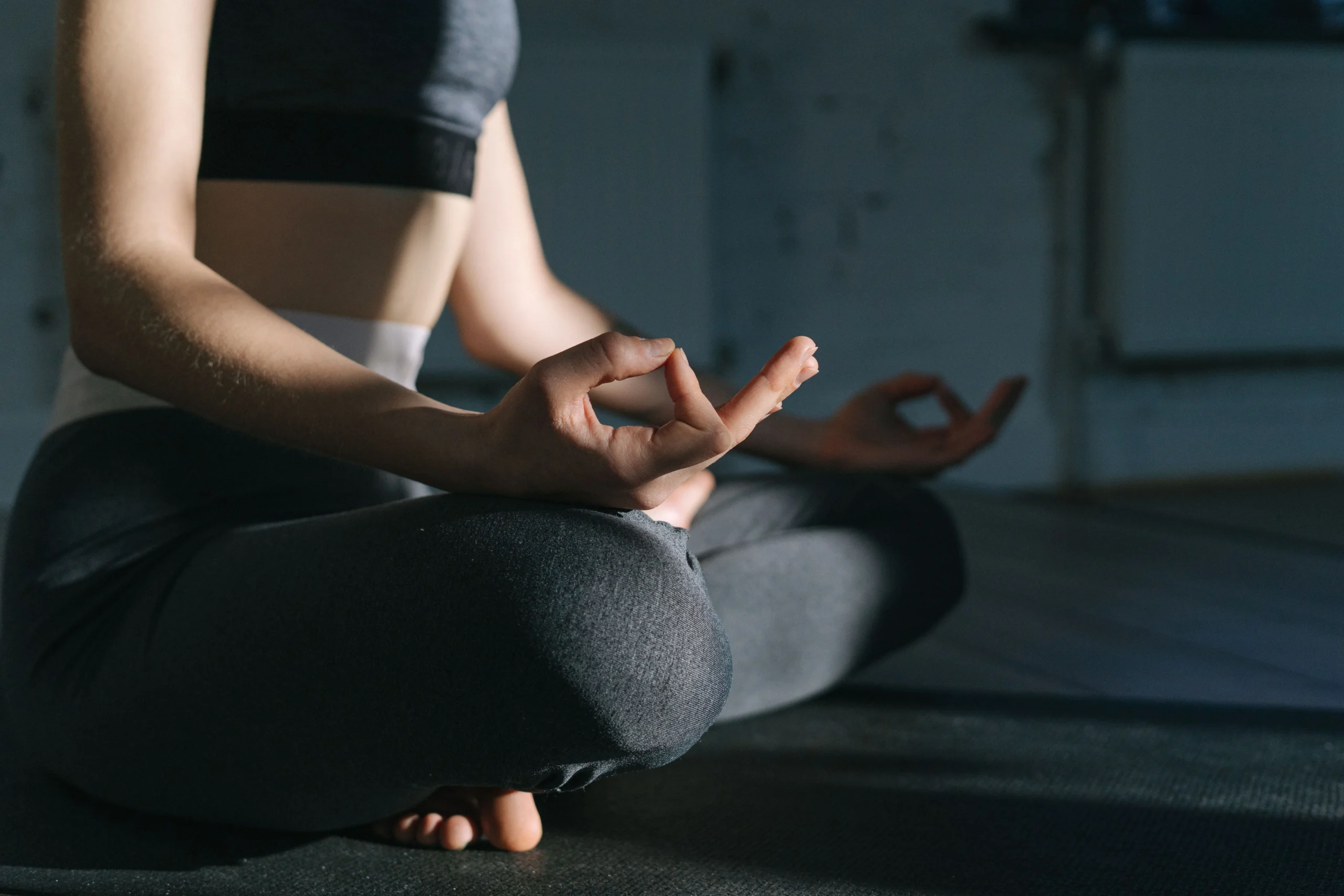
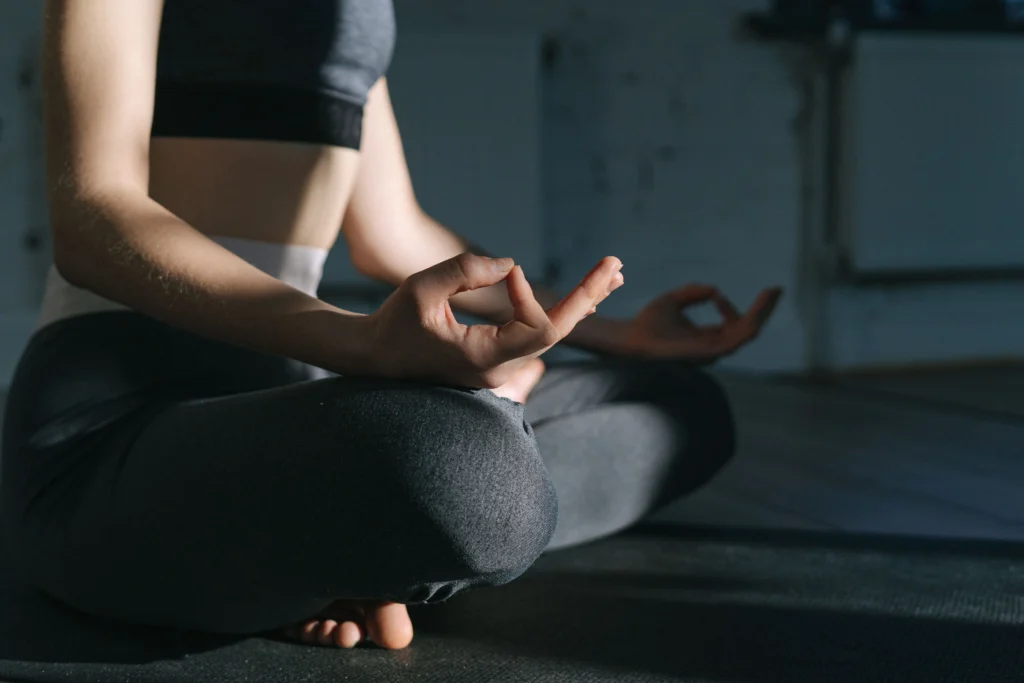
At its core, a spiritual retreat means carving out deliberate time to engage with your inner life in a concentrated way. That might look like five days of silence in a mountain yurt. It might be a single afternoon of guided meditation in a forest clearing. Format varies considerably. Intention doesn’t. You’re going somewhere, both physically and inwardly, to pay attention differently than you do at home.
What separates a retreat from a vacation? Intention, primarily. Vacations offer rest through distraction. Retreats offer rest through presence. On a retreat, you’re not fleeing your thoughts. You’re learning to sit with them, and that, it turns out, is considerably harder.
Why People Actually Go
People rarely arrive at their first retreat in peak condition. The phone never stops. Sleep has been poor for months. Something happened. A loss, a life turn, a quiet but persistent sense of drift. The ordinary remedies haven’t touched it.
A spiritual healing retreat answers something specific. Not just rest, but genuine recovery. Recovery of attention. Recovery of emotional range. Sometimes, renewed faith in oneself, in a practice that’s gone stale, in the capacity to feel what had gone flat for too long.
There’s no standard profile for who shows up. Seasoned meditators come to deepen work they’ve been building for years. Complete beginners arrive because a friend recommended it, or because they were searching at 2am and ended up here. Grief brings people. Burnout brings people. Curiosity does too.
The common thread is a recognition that certain kinds of repair can’t happen in the same environment where the damage occurred.
What Actually Happens There
This varies far more than most retreat descriptions admit. Some are structured from early morning to late evening, with bells marking transitions between sitting practice, walking, meals, and teachings. Others hand you a property map and a loose schedule, trusting you to know what you came for.
For a real look at the daily rhythm, the piece on what happens at a spiritual retreat walks through sessions, meals, silence, and movement in specific detail.
Across the range, certain threads keep appearing.
- Meditation, from sitting and walking to guided and open awareness practice
- Bodywork, including yoga, breathwork, and somatic practices
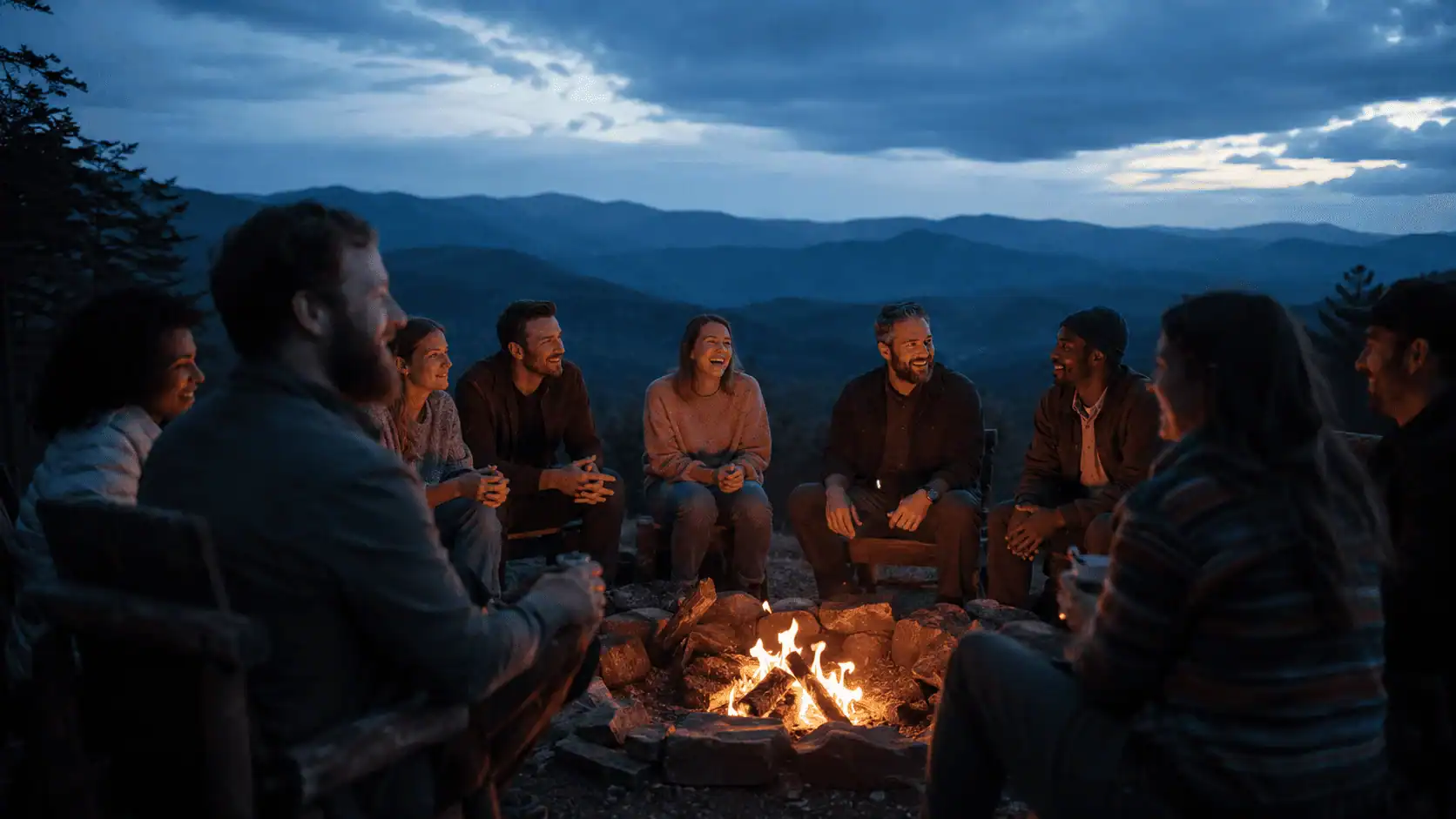
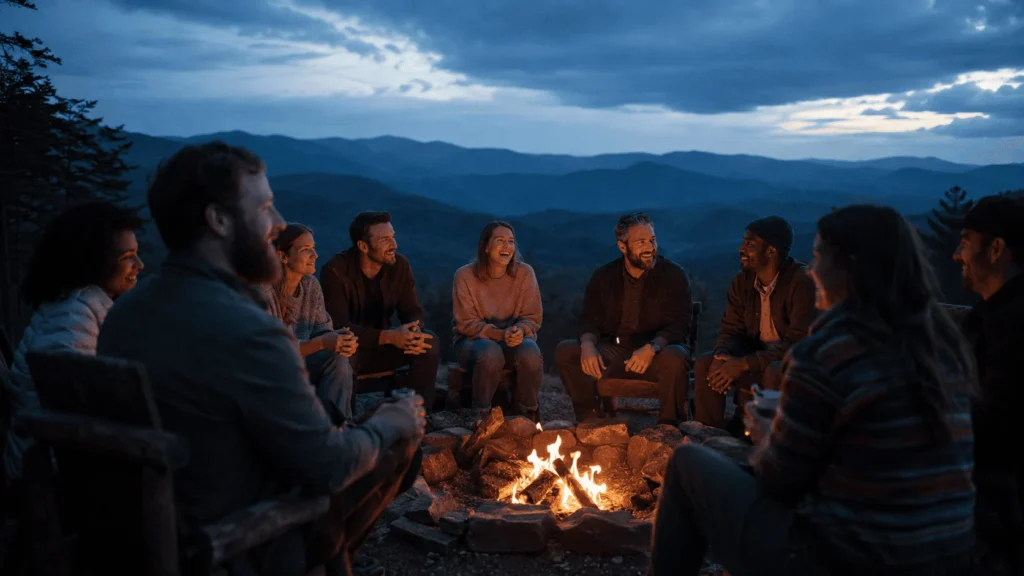
- Ceremony, from fire circles to altar work and ritual gathering
- Nature time in forest, by water, or on ridge trails, with no set agenda
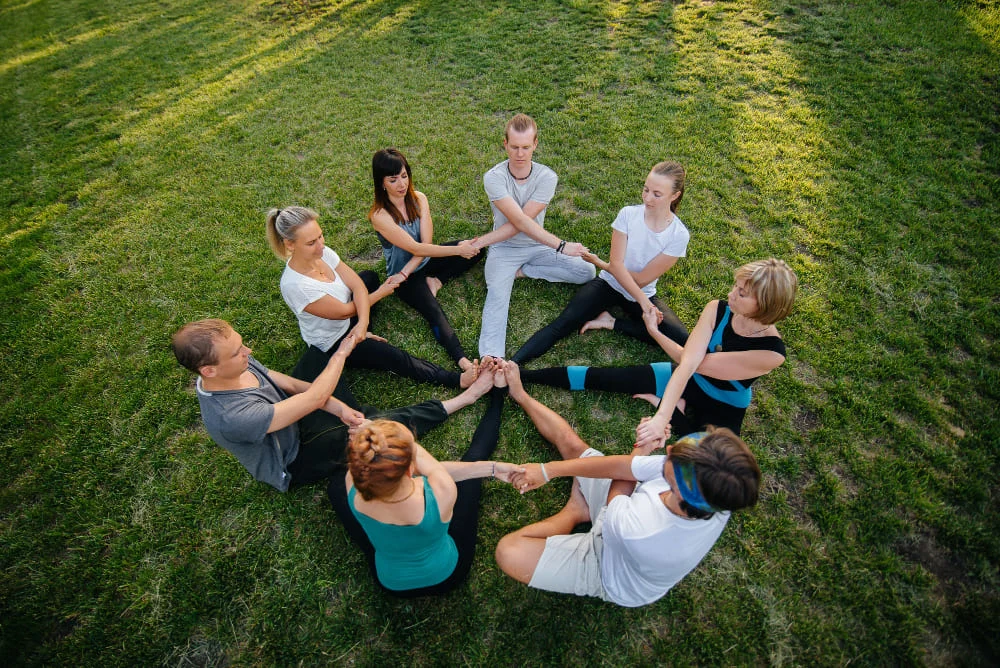
- Group sharing, where participants speak and are genuinely witnessed
Not every retreat runs all of these. Many do. The mix reflects the center, the facilitator, and what participants actually need.
When Healing Is the Whole Point
General retreats restore. This kind of retreat goes further. It’s built for people carrying something heavy.
Trauma-informed facilitation. Grief work. Somatic practices designed to address what the body still holds long after the mind has already moved on. Such conditions allow emotions that have been carefully managed in everyday life to finally surface safely. That’s not clinical intervention. It’s the creation of genuine space.
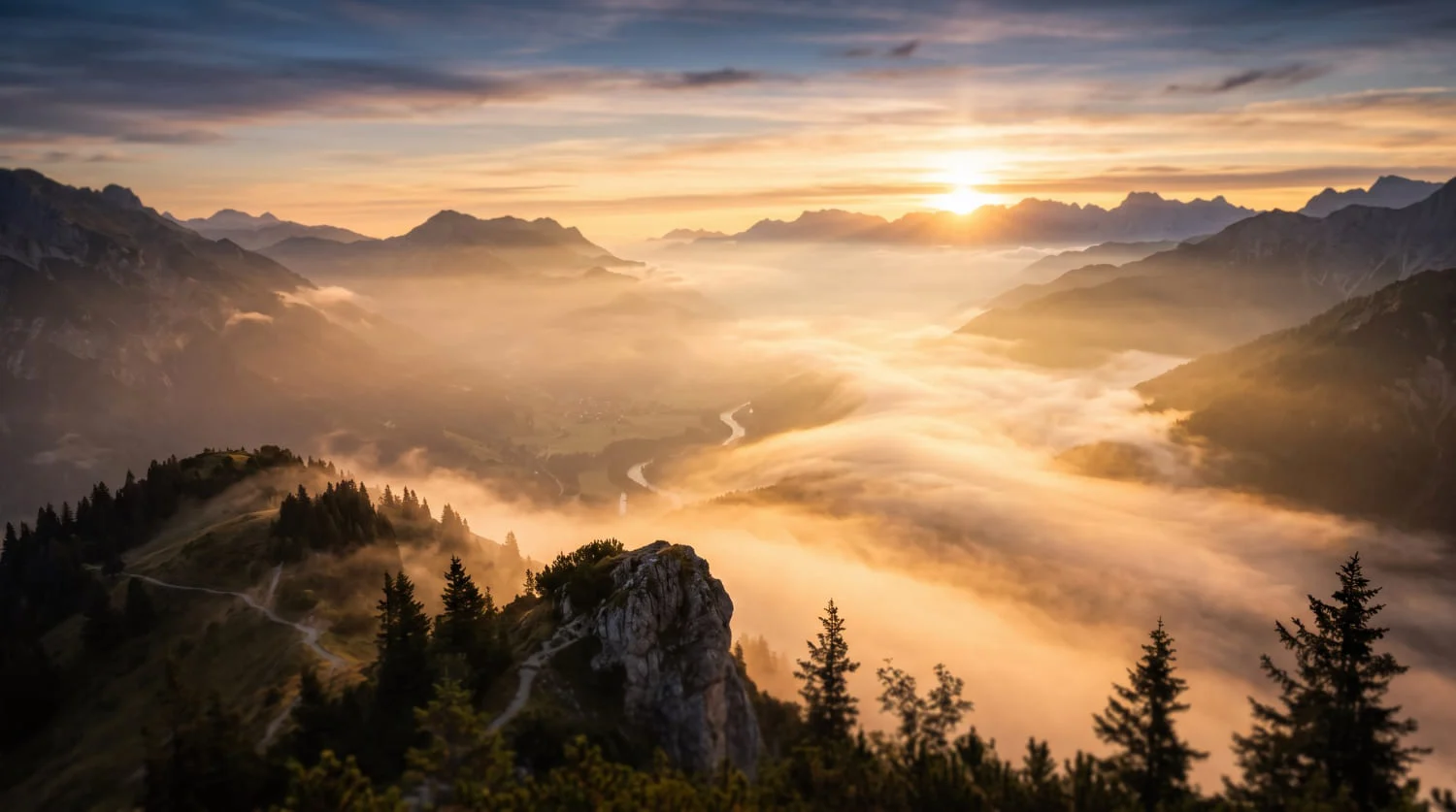
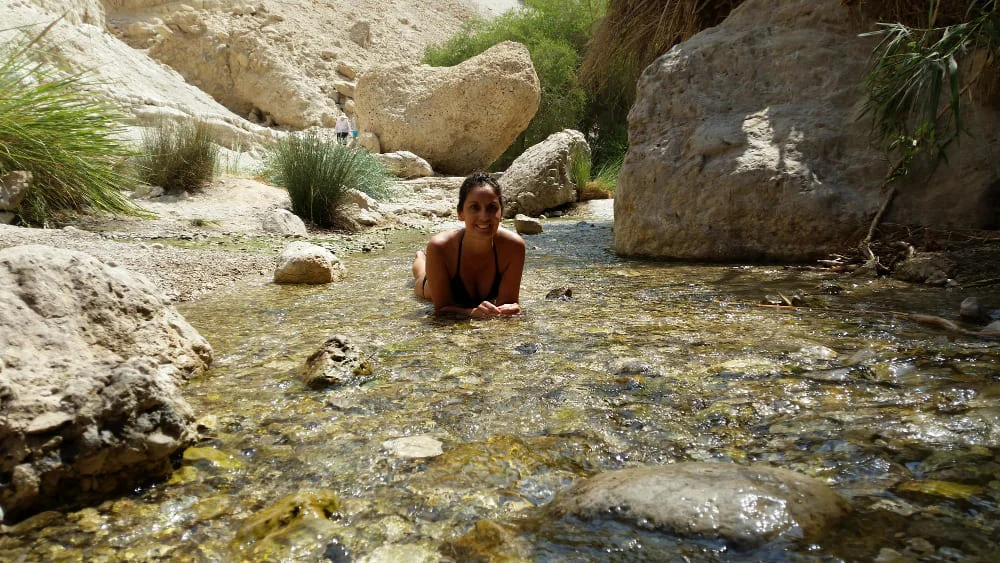
The physical setting does more than most people expect. A mountain sanctuary surrounded by national forest offers what no urban facility can match. Streams audible from every structure, ridgelines visible from the meadow, a silence that isn’t absence but a different quality of fullness. Nature keeps no timeline.
Ceremony belongs here, too. Fire circles, sound healing, and ritual movement aren’t decorative. They open access to parts of a person that language-based work doesn’t easily reach.
Retreats Designed for Women
These circles occupy a specific niche, and for entirely legitimate reasons. Mixed-gender spaces carry relational dynamics that aren’t always visible until they’re gone. Women-only spaces create a different quality of permission.
The depth of sharing changes. Women in these settings frequently drop pretense faster, go deeper earlier, and feel less pressure to manage the emotional experience of others in the room. A collective intelligence runs differently here than it does in mixed spaces. Less performance. More presence.
A woman’s spiritual retreat might center on ancestral healing, on reclaiming practices rooted in feminine spiritual traditions, or on marking life passages like menopause, motherhood, loss, and emergence from long relationships. Some are built around specific modalities. Others stay deliberately open.
The facilitator’s lineage matters enormously here. Look for someone whose training runs deep, whose limits are clearly held, and whose relationship to the land is genuine and not merely aesthetic.
Why the Space Itself Matters
People consistently underestimate how much the physical environment shapes the internal experience. A sterile conference room with meditation cushions is not a spiritual retreat space. Ambiance isn’t the point. Coherence is.
A place held with genuine intention accumulates history. Prayers have been offered in it. Ceremonies have happened on that land. Over time, it takes on weight. Call it energy, call it memory, call it whatever your framework allows. Guests arrive and feel it even when they can’t name it.
For those beginning to explore what this kind of environment offers, a day retreat provides a genuinely low-commitment entry point. Enough time to feel the place, try a practice, and leave carrying something real.
The relationship between place and practice runs in both directions. The setting shapes what becomes possible. What happens there, year after year, reshapes it in return.
The Benefits of a Spiritual Retreat
No single retreat delivers all of these. Here’s what people bring home, across the documented range.
| Benefit | What It Looks Like in Practice |
|---|---|
| Reduced stress | Lower cortisol, better sleep, physical ease that wasn’t there before |
| Emotional clarity | The ability to name and act on feelings that had been blurred for months |
| Creative renewal | Ideas return after long periods of flatness |
| Strengthened practice | Meditation or prayer that felt hollow becomes live again |
| Deeper connection | Relationships formed at retreats run unusually deep |
| Grief integration | Losses that had been stuck begin to move |
The benefits don’t always arrive during the retreat itself. The real impact frequently surfaces in the weeks after. What you notice. What you can tolerate. What you find yourself reaching for when the day gets hard.
Thousands of years of human experience across traditions have tested this and arrived at the same answer. The only real question is what you’re actually ready to bring.
FAQ
How long does a spiritual retreat usually last?
Retreats range from a single day to several months. Most common are weekend formats (two to three days) and week-long immersions. The right duration depends entirely on what you're seeking and how much time you have.
Do I need prior experience to attend a spiritual retreat?
No. Most retreat centers welcome beginners. If a retreat is designed for experienced practitioners only, that will be clearly stated. Arriving with no background can be a genuine advantage. There's less to unlearn.
What should I bring to a spiritual retreat?
Comfortable clothing, a journal, personal items connected to your practice, and a genuine willingness to spend time without your phone. Many retreats ask participants to disconnect from devices entirely during their stay.
Are spiritual healing retreats the same as therapy?
No, and the distinction matters. Retreat work creates conditions for healing. Licensed therapy addresses diagnosed conditions through clinical intervention. Many people find the two complement each other well, with retreat experiences supporting what ongoing therapeutic work has already opened.