Most people walk into their first yoga class expecting the hard part to be the poses. It won’t be. The real challenge lives right under your nose. Yoga breathing exercises form the backbone of every serious practice, and mastering even a handful of them can change how your body handles stress, sleep, and energy for the rest of the day.
Key Takeaways
- Pranayama predates yoga poses by centuries and remains the most undertaught part of modern Western yoga
- Three-Part Breath (Dirga) is the safest and most intuitive starting point for complete beginners
- Ujjayi creates an audible ocean-like rhythm that anchors your attention during physical practice
- Alternate Nostril Breathing measurably lowers heart rate and improves nervous system balance
- Kapalabhati delivers a caffeine-like burst of energy but demands extra caution from newcomers
- Practicing yoga breathing techniques in a guided retreat setting accelerates results dramatically
Your Breath Runs the Whole Show
Here’s a question most yoga classes skip right over. Why does breath matter so much?
The short answer lives in your autonomic nervous system. Slow, controlled exhales activate the vagus nerve, triggering your parasympathetic response and pulling your body out of fight-or-flight mode. Fast, rhythmic breathing does the opposite, firing up alertness and energy. Yoga breathwork gives you the steering wheel for both.
Ancient yogis figured this out long before neuroscience caught up. The Yoga Sutras of Patanjali list pranayama as the fourth of eight limbs of yoga, placed deliberately before meditation. You can’t quiet the mind if you haven’t steadied the breath first. That sequencing matters more than most people realize.
And yet, most Western yoga classes treat breathing as an afterthought. A quick “inhale up, exhale fold.” That barely scratches the surface of what pranayama can actually do for you.
1. Dirga Pranayama (Three-Part Breath)
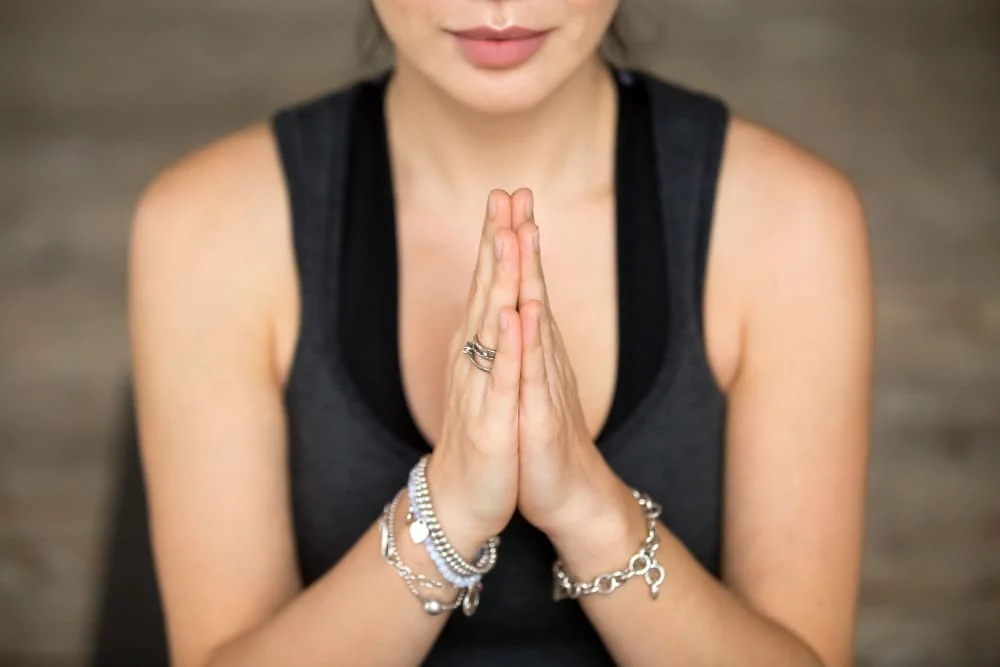
Start here. If you take nothing else from this list, take Dirga.
Three-Part Breath teaches you to fill your lungs in three distinct zones. You draw air into the belly first, then expand the ribcage, then lift the breath up into the upper chest. On the exhale, everything reverses.
Lie flat on your back. Place one hand on your stomach and the other on your chest. Inhale slowly through the nose, feeling your belly push up against your palm first. Let your ribs flare next. Finally, feel the subtle lift under your upper hand. Exhale and let everything sink back down in reverse order. That’s one full cycle. Aim for eight to ten.
What makes Dirga so good for beginners is its simplicity. No counting ratios. No breath holds. No risk of hyperventilation. You’re learning to breathe into spaces your shallow daily habits have been ignoring for years. Most people are genuinely surprised by how much lung capacity they’ve been leaving unused.
2. Ujjayi Pranayama (Ocean Breath)
Ever heard someone making a soft, raspy sound during a Vinyasa class? That’s Ujjayi.
The technique involves a slight constriction at the back of your throat, producing an audible whisper on both inhale and exhale. The sound resembles ocean waves heard through a seashell. Soothing. Rhythmic. Unmistakable once you’ve heard it.
To practice, start by exhaling onto your palm as if you’re fogging up a mirror. Feel that gentle throat narrowing? Now close your mouth and maintain the same constriction as you breathe through your nose. The sound should be steady and smooth, never forced or strained.
Ujjayi works brilliantly during yoga breathing because it creates an audible rhythm you can sync your movements to. Your breath becomes a metronome. The throat constriction also increases air resistance slightly, which slows your breathing rate and nudges your nervous system toward calm. That’s why instructors call Ujjayi the “default breath” of Vinyasa and Ashtanga traditions.
3. Nadi Shodhana (Alternate Nostril Breathing)
This one looks a little odd the first time you try it. You’re going to use your fingers to close one nostril at a time, directing airflow back and forth between sides.
Use your right hand. Press your thumb against the right nostril to seal it shut, and inhale through the left for a slow count of four. Close the left nostril with your ring finger, open the other side, and exhale for a count of four. Inhale on that same side. Seal it. Exhale left. That’s one round.
Nadi Shodhana translates roughly to “channel purification,” and the clinical data backs up the name. Studies published in the International Journal of Yoga have documented reduced resting heart rate and improved heart rate variability following regular practice. Five minutes a day, three to four rounds, is enough to feel noticeable results within a week.
This one pairs naturally with meditation prep. If mental chatter is running wild before you sit down to meditate, a few rounds of Nadi Shodhana can settle the noise faster than anything else on this list.
4. Bhramari Pranayama (Bee Breath)
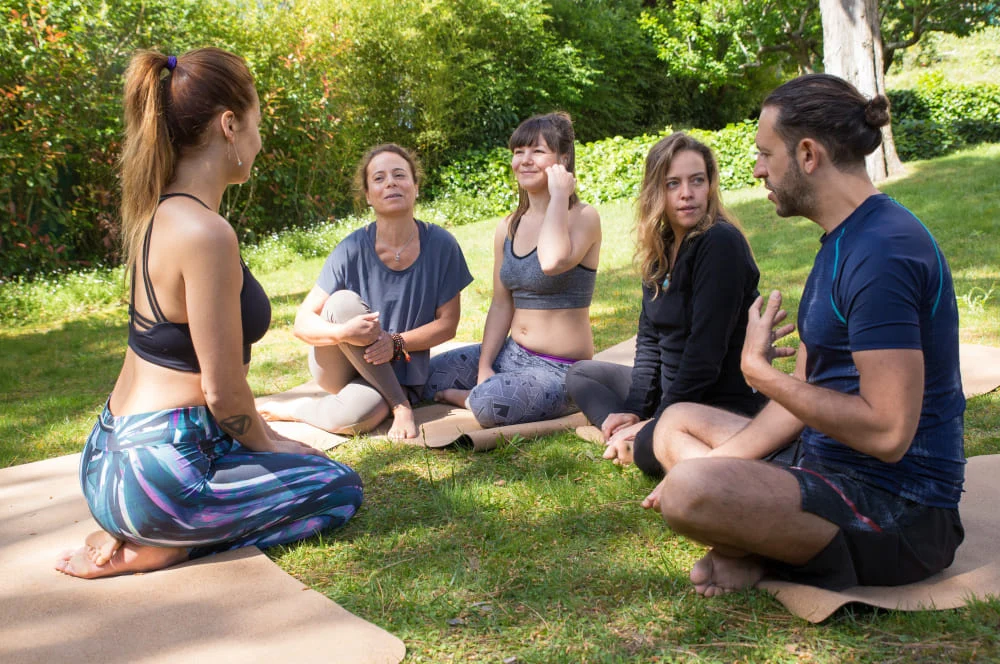
Fair warning. This one sounds ridiculous.
Sit comfortably, close your eyes, and place your index fingers gently on the tragus cartilage of each ear. Inhale deeply through the nose. Then exhale slowly with a low, steady hum, mouth closed, letting the vibration fill your entire skull. You’re basically humming like a bumblebee. And yes, it feels exactly as silly as it sounds.
Silly and effective, though. The vibrations stimulate the vagus nerve directly. A 2017 study in the International Journal of Yoga found that five minutes of Bhramari practice reduced both systolic blood pressure and heart rate in participants. The sound itself also blocks external distractions and forces your attention inward. It’s meditation with training wheels.
Bhramari is particularly good for anyone who struggles with racing thoughts before bed. Three to five rounds in a quiet room can settle your nervous system faster than you’d expect.
5. Kapalabhati Pranayama (Skull Shining Breath)
Now we pick up the pace.
Kapalabhati flips the standard breathing pattern on its head. The exhale becomes sharp and forceful, driven by a quick contraction of your abdominal muscles. The inhale happens passively, a natural rebound as the belly releases. The rhythm runs fast, roughly one exhale per second, in sets of 20 to 30 repetitions.
This practice is classified as both a pranayama and a kriya (cleansing action) in traditional yoga. It heats the body, clears the nasal passages, and delivers an almost caffeine-like jolt of alertness. Many practitioners use it first in the morning as an energizing warmup before hitting the mat.
A word of caution. Kapalabhati is the most intense technique on this list. Skip it entirely if you’re pregnant, managing uncontrolled high blood pressure, or have a history of seizures. Start with ten repetitions per round, not thirty, and build your tolerance gradually.
Kapalabhati belongs to a broader family of yogic cleansing practices. If the energizing effects of this breath appeal to you, the full set of Shatkarma techniques to refresh your body and mind takes that cleansing principle even further.
Quick Reference
| Technique | Difficulty | Best For | Time Needed |
|---|---|---|---|
| Dirga (Three-Part Breath) | Easy | Grounding, full lung capacity | 5-10 minutes |
| Ujjayi (Ocean Breath) | Easy | Moving practice, focus | Throughout class |
| Nadi Shodhana (Alternate Nostril) | Beginner-Intermediate | Nervous system balance, pre-meditation | 5 min |
| Bhramari (Bee Breath) | Beginner | Anxiety relief, sleep prep | 3-5 min |
| Kapalabhati (Skull Shining) | Intermediate | Energy, mental alertness | 3-5 min |
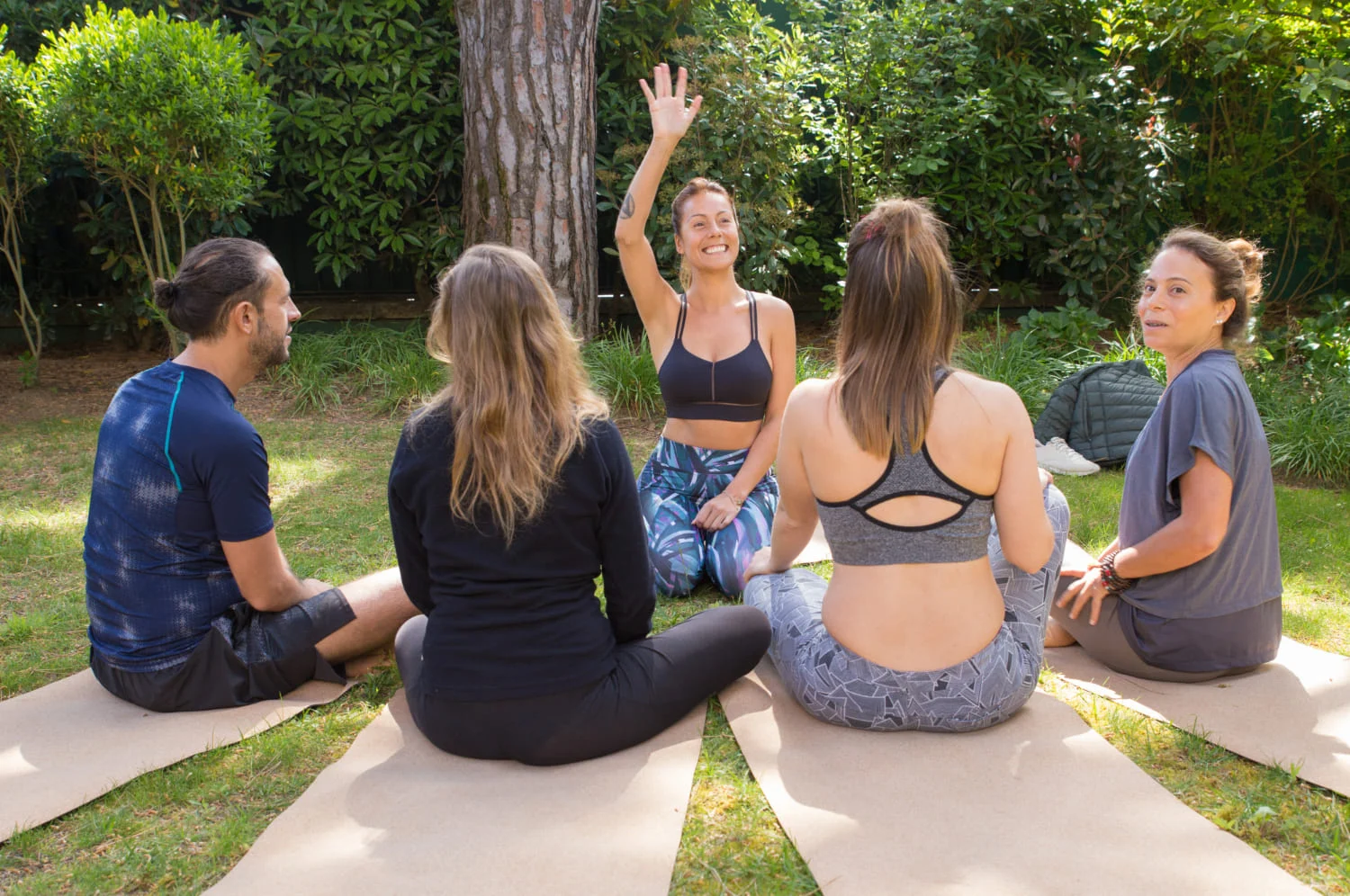
These five yoga breathing exercises give you a toolkit that ranges from deep calm to sharp alertness in seconds. Practicing breathing exercises for yoga in a guided setting makes a real difference, especially when you’re just starting out. Even a single day retreat spent working with a skilled instructor can accelerate your yoga breathing practice faster than months of solo study at home.
FAQ
How long should I practice pranayama each day?
Five to ten minutes daily is plenty when you're starting out. Consistency matters far more than duration. A short daily practice builds nervous system resilience faster than occasional long sessions.
Can breathing exercises for yoga help with anxiety?
Yes. Techniques like Bhramari and Nadi Shodhana activate the parasympathetic nervous system, which directly counteracts the physiological symptoms of anxiety. Clinical studies have documented reduced heart rate and blood pressure following regular pranayama practice.
Is yoga breathwork the same as pranayama?
Pranayama is the traditional Sanskrit term for yogic breath control. Western yoga studios now use the word breathwork to describe the same practices. Both refer to the same family of techniques rooted in classical texts dating back over two thousand years.
Should I practice yoga breathing techniques before or after poses?
Both work, but the purpose differs. Pranayama before poses settles the mind and prepares the body. After poses, it deepens relaxation and helps you integrate the physical practice. Ujjayi stands apart as the one technique meant to run continuously during movement.