Teaching is rarely what people write to us about. They write about towels and deposit schedules, usually with an apology attached for asking something so basic, and they write about our road, particularly the last three miles of it in the rain. None of it is basic, and no teacher training we know of covers any of it. So — the logistics of how to plan a retreat.
Key Takeaways
- Write the one-sentence description first. Who it’s for, what they leave with, in a form you can say out loud without wincing.
- Budget at 60 percent occupancy. A weekend that only breaks even with every bed sold is a weekend that loses money.
- Venue and cook get booked before anything else. Both give up their fall and spring dates long before you feel ready to ask.
- Four to six months of registration runway for a weekend, six to nine when guests are flying in.
- Send the venue ten questions in writing before you sign, and leave 40 percent of the schedule unstructured once you have.
Defining Your Retreat’s Purpose and Audience
Name who the retreat is for and what they leave with, in one sentence you can say out loud. Everything downstream comes off it. Say it to somebody and watch their face. “Four days for women in their first year after divorce, ending with a fire ceremony” lands somewhere.
“A weekend of yoga, meditation, and connection in nature” earns a polite nod, because it could describe almost any weekend on any retreat listing site.
That sentence decides your food budget and your schedule. It also decides who you can honestly write to about the whole idea.
Narrowing feels expensive when there are twelve beds to fill and no deposits in yet, so hosts push back on it and we don’t blame them. All we can offer is what we’ve watched from the kitchen window, which is that the broad ones take months to fill and the specific ones have filled from a mailing list and nothing else.
If the person who badly needs rest here is you, book asolo retreat and go on that one first. Facilitating twelve people will not rest you.
What It Costs to Run a Retreat
Retreat planning nearly always starts with the venue and works out the price afterward, and we understand why, since touring properties is the enjoyable part of this entire business. The cost of that order is a ticket price reverse-engineered from a deposit you already wired.
Do it backward once, on paper, before you fall for anywhere.
Split the costs into two piles. One pile stays flat no matter who turns up, so venue fee, insurance, your assistant, travel, supplies. The other pile moves with each guest, mostly food and materials.
Then look at the weekend with 60 percent of the beds filled, which happens to competent people running good retreats. Parents get sick. Flights get canceled at 9pm.
Three numbers to settle before anything goes public.
- The deposit amount, who keeps it, and under what conditions
- Payment plan terms if you offer them, plus the date the balance comes due
- Your floor price, decided now, before slow sales start deciding it for you
Cutting the price in the final month does fill beds, and it fills them one time. Your regulars notice the pattern and wait for it next spring.
How Long Should the Retreat Be?
Two nights is the safe default. Five nights sounds more serious, and plenty of people discover on night four that serious was the wrong target. Aday retreat hands a new host arrival, timing, food, and the shape of group energy, all without bedding and 6 am breakfasts attached.
You can run another six weeks later, and the timing gets easier every time you do it.
| Format | Suits | What It Asks of You | What Usually Goes Wrong |
|---|---|---|---|
| Half day, 3 to 4 hours | Local circles, new teachers, testing fresh material | One clean arc, no overnight logistics | A weekend curriculum crammed into an afternoon |
| Full day | Team offsites, sangha gatherings, workshop intensives | Two meals, a real rest window, weather backup | Nothing planned for the post-lunch energy drop |
| Weekend, two nights | Most wellness and spiritual retreats | Bedding, dietary needs, Friday arrival chaos | Sunday morning booked as if nobody is wrung out |
| Midweek, three to four nights | Deeper work, trauma-aware programs, teacher trainings | Assistant support, quiet hours, integration time | Too little room for the quiet people want by night three |
| Five to seven nights | Silent sits, long-form training, seasoned practitioners | Real staffing, a medical plan, contingency money | Every hour filled because the price feels high |
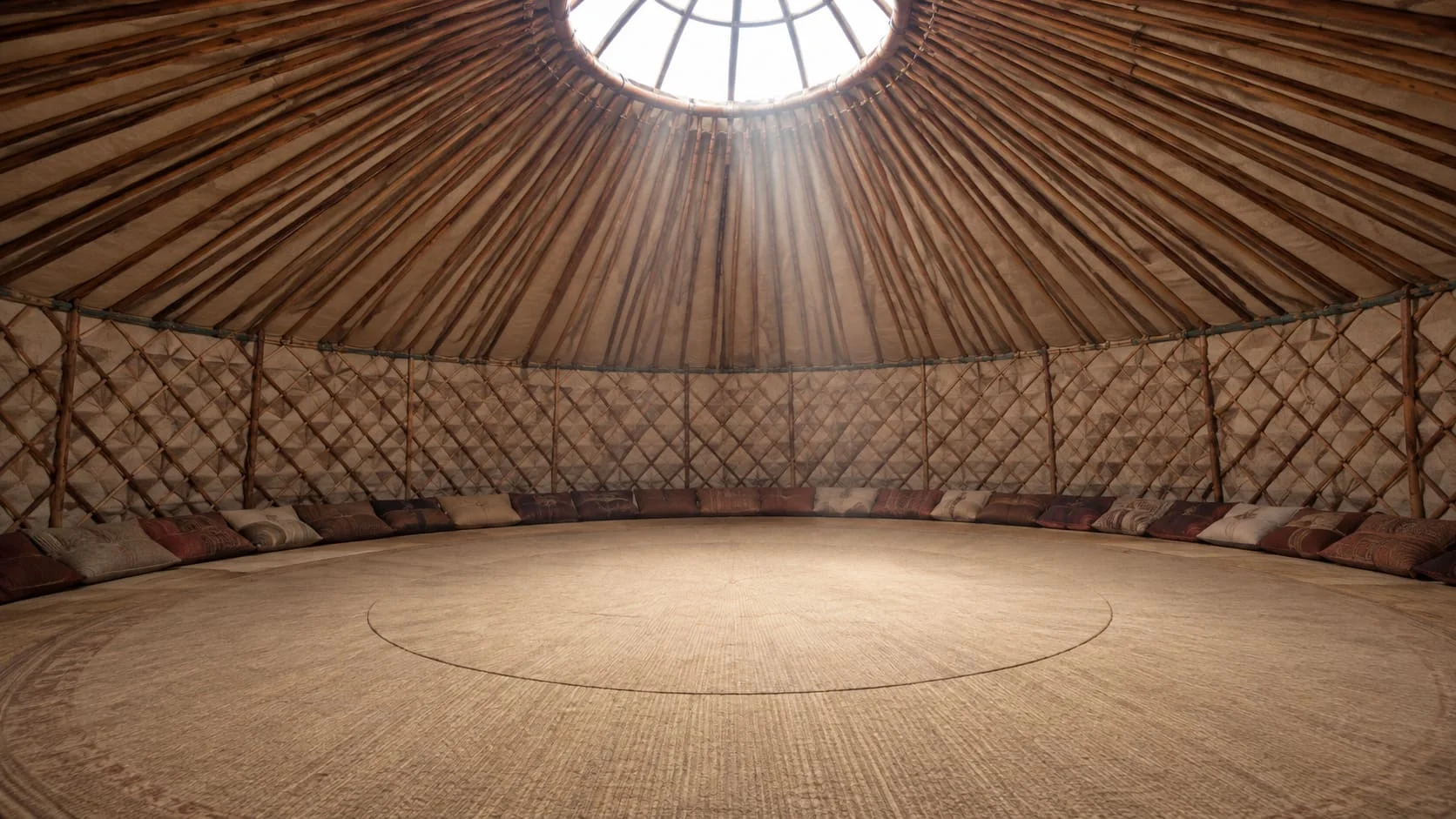
Season does about as much work as length up here. February turns our road into something you’d want a truck for, and every venue in the mountains around Hot Springs has a month they’d quietly steer you away from, so ask them which one before you pick dates.
Questions to Ask a Retreat Venue
Ten questions, sent by email so the answers exist in writing. Exclusive use, beds, bathrooms, kitchen access, signal, hospital distance, quiet hours, road conditions, what gets billed after, and cancellation terms. People ask us about the yurt and the waterfalls. Parking for fourteen cars has almost never come up on its own, so we raise it ourselves now.
Put these in writing. A phone call is friendlier, and you’ll want the answers on a screen in October.
- Exclusive use, or will other guests share the land on your dates?
- Bed count by room type, and how many rooms have a door of their own
- Bathroom-to-guest ratio, counting the ones you have to walk outside for
- Kitchen access. Can you cook there? Must you hire someone? Is there a local list?
- Cell service and wifi described honestly, including where the dead spots are
- Nearest hospital, with a drive time somebody there has driven themselves
- Quiet hours, sound limits, and what the neighbors can hear after 10pm
- Road conditions in the specific month you’re booking
- What’s included versus billed afterward, so firewood, linens, cleaning, propane
- Cancellation and rescheduling terms, in writing, before the deposit clears
Most of how to plan a retreat on land you don’t own sits somewhere in those ten questions. A venue that goes fuzzy on hospital distance or cancellation terms is telling you something, though it might only be that they’re small and haven’t written any of it down yet. Careful facilitators send us the whole list. It has never once read as distrust.
Building the Retreat Schedule
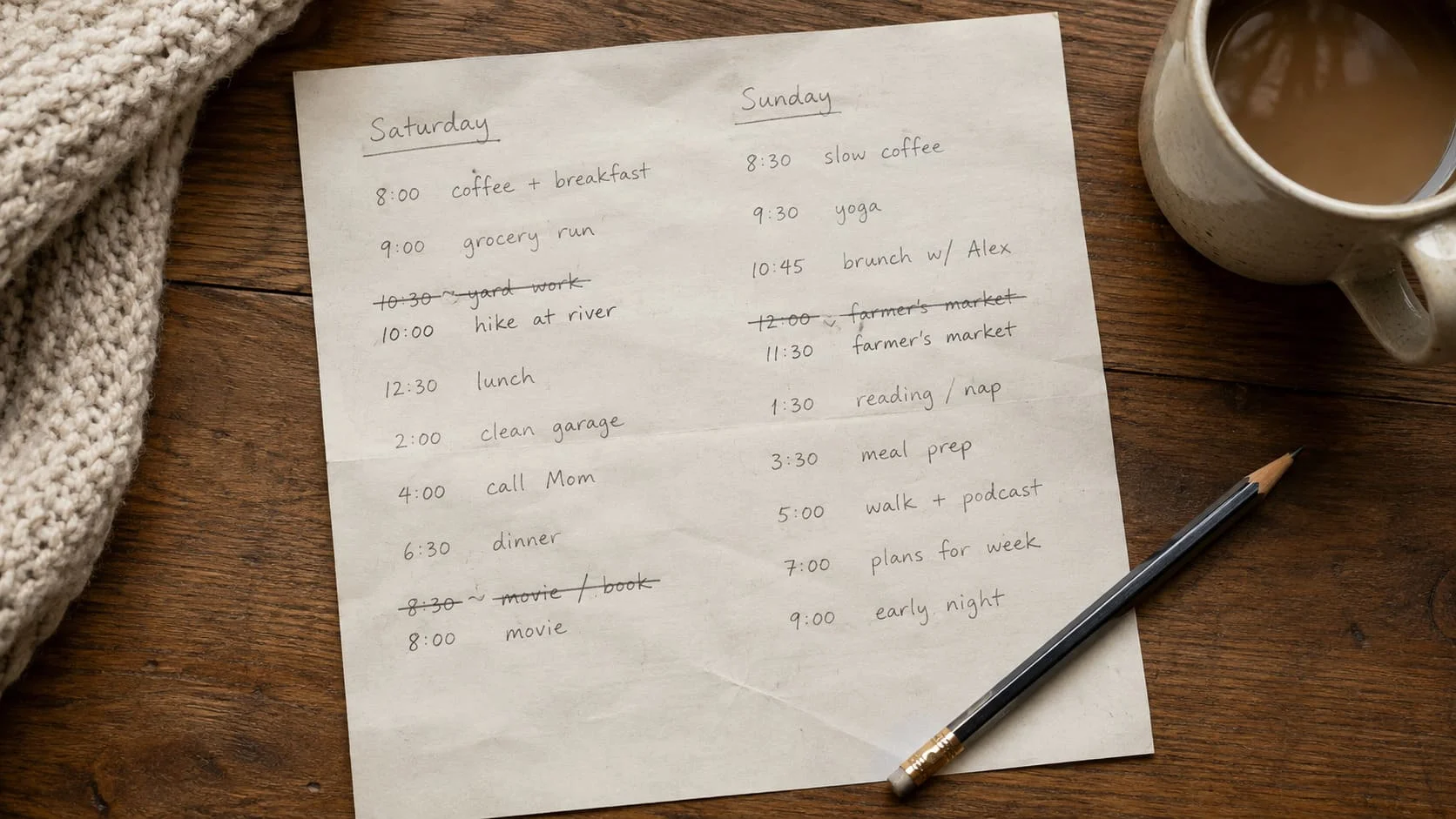
Structure about 60 percent of the time and leave the rest open. The draft that reaches our inbox usually holds eight sessions across two days. Sunrise sit, morning practice, workshop, lunch, second workshop, sound bath, evening circle that runs past eleven.
By Saturday afternoon people are nodding in the correct places and taking in almost none of it, and the Sunday sunrise sit draws a fraction of the room.
Leave 40 percent of the schedule unstructured. That’s where a good deal of the work happens, in kitchens and on porches, out of your sight.
Arrival looks like dead time when you’re planning a retreat, which is why hosts underbook it. Two hours between the first car and the first session, at minimum. Someone gets lost on the gravel. Someone else sits in the parking lot and cries before they can walk into a room full of strangers, and needs twenty minutes for that.
Don’t schedule over meals, and keep teaching out of the last morning. Most hosts start planning a retreat from their material outward, which is natural and buys you a Saturday afternoon of glazed faces. Build from what somebody can still absorb by hour thirty.
Write a rain version of every outdoor block. You don’t want to improvise one at 7am with the group standing in the doorway watching you think.
Food, Waivers, and Insurance

Allergies get collected at registration. Hand the list to whoever’s cooking two weeks out, which gives them time to shop properly. Most groups of ten include a vegan and a celiac, and usually somebody who remembers about shellfish once they’re already looking into the pot.
Leave tea, water, and snacks out all day. We used to file that under fussing, until we’d watched enough four o’clock slumps to stop.
Then paperwork. Get waivers signed before arrival and sort out event insurance, which your venue probably requires anyway. Emergency contacts want to be on paper, since phones out here show one bar on a generous day. Send a packing list a week ahead naming layers, real shoes, a headlamp, a bottle, and say plainly how bad the signal is, because somebody in your group has a Monday call they’re planning to take from your porch.
Promoting the Retreat and Opening Registration
Open registration before you feel ready. Four to six months out for a weekend, six to nine when guests need flights booked and time off approved. The first handful of signups will arrive from your own people, which catches out hosts who were counting on the internet to deliver strangers.
Write to them one at a time, use their names, and say what made you think of them for this particular weekend — awkward for the first few, and we’ve yet to watch a public post outperform it.
Keep a waitlist running even with beds free. For a retreat that comes back each season, those leftover names tend to cover half of the next round.
The Checklist, Month by Month
Nine months out to two weeks after, in the order the work lands. Print it and tape it inside a cupboard door, because a retreat planning checklist buried in a laptop folder won’t get opened in week nine. Each line below is one that costs you when it slips.
- Six to nine months out. Write the one-sentence purpose. Name six real people who’d come. Draft the budget with fixed and variable costs separated. Shortlist three venues and send the ten questions.
- Four to six months out. Sign the contract. Lock dates. Set price and payment terms. Open registration. Write personal invitations before anything goes public.
- Two to three months out. Confirm your cook and any guest teacher in writing. Draft the schedule with rest blocks marked first. Arrange insurance. Order anything with a long lead time.
- Four weeks out. Check headcount against break-even. Compile the dietary list. Send packing list, directions, arrival window, and the signal warning. Collect signed waivers.
- One week out. Final numbers to venue and cook. Print emergency contacts and the schedule. Confirm arrival times for anyone flying. Pack supplies, check the forecast.
- Day of. Arrive three hours early. Walk the site yourself. Put up signs for parking, bathrooms, and the first gathering space. Then meet every car.
- Within two weeks after. Send a short feedback form. Settle invoices. Note down what broke, since you’ll have forgotten most of it by spring. Open the waitlist.
Planning the Second Retreat
Nobody thinks about the second retreat during the first one. It’s the one worth deciding on now, because guests who liked the weekend will ask when the next is, sometimes on Sunday morning with their bags already in the car. Pick a rough month before registration opens on this one, so you have an answer.
And if you’re still looking for somewhere to hold either weekend, we’re on 63 acres outside Hot Springs, an hour from Asheville. Write to us, and we’ll answer all ten of those venue questions before you get around to asking them.
FAQ
How many people should a first retreat hold?
Eight to twelve. One facilitator can hold that many without an assistant, circle work still has some heat in it at that size, and thirty on a first attempt tends to end in refunds and a lot of apologetic emails.
What if not enough people sign up?
Pick your go or cancel date now, six weeks out being common, and make sure your deposit terms spell out what happens either way. Half capacity is worth running sometimes. It can also mean funding the weekend out of your own savings without noticing, which is why that call belongs in September.
Do I need insurance and waivers to host a retreat?
You need both, and your venue will likely want proof before handing over keys. General liability event coverage handles the ordinary case. Once your program includes bodywork, breathwork, or anything therapeutic, professional liability starts to matter too. Pay a lawyer to review the waiver once and you'll reuse it for years.
Can I reuse the same checklist every time?
The month-by-month version above holds up as a reusable retreat planning checklist across most formats. Lead times stretch for longer events and for anything involving flights. Keep a notes file open during each retreat and write in it the moment something breaks, because by the following spring you'll only remember about half of what did.