If you’ve watched a company-wide meditation app roll out and quietly die by week three, you already suspected this. Most wellness budgets buy tools that ask tired people to fix themselves between meetings, and the research on that approach is unflattering. A corporate wellness retreat pulls a different lever. It moves the whole team somewhere the pressure can’t follow, and the distance does most of the work.
Key Takeaways
- Individual perks like mindfulness sessions, resilience training, and wellbeing apps showed no measurable benefit across 46,336 UK workers.
- Distance does the heavy lifting. Recovery research keeps landing on mental disconnection from the job as the mechanism behind any real recovery.
- Something no app reaches: the social side of wellbeing, which shared retreat time gets at by default.
- Price tracks exclusive use of a property, catering, and length of stay far more than nightly room rates.
- Gains fade fast. Pooled studies show wellbeing back at pre-trip levels roughly a week after people return.
What Is a Corporate Wellness Retreat?
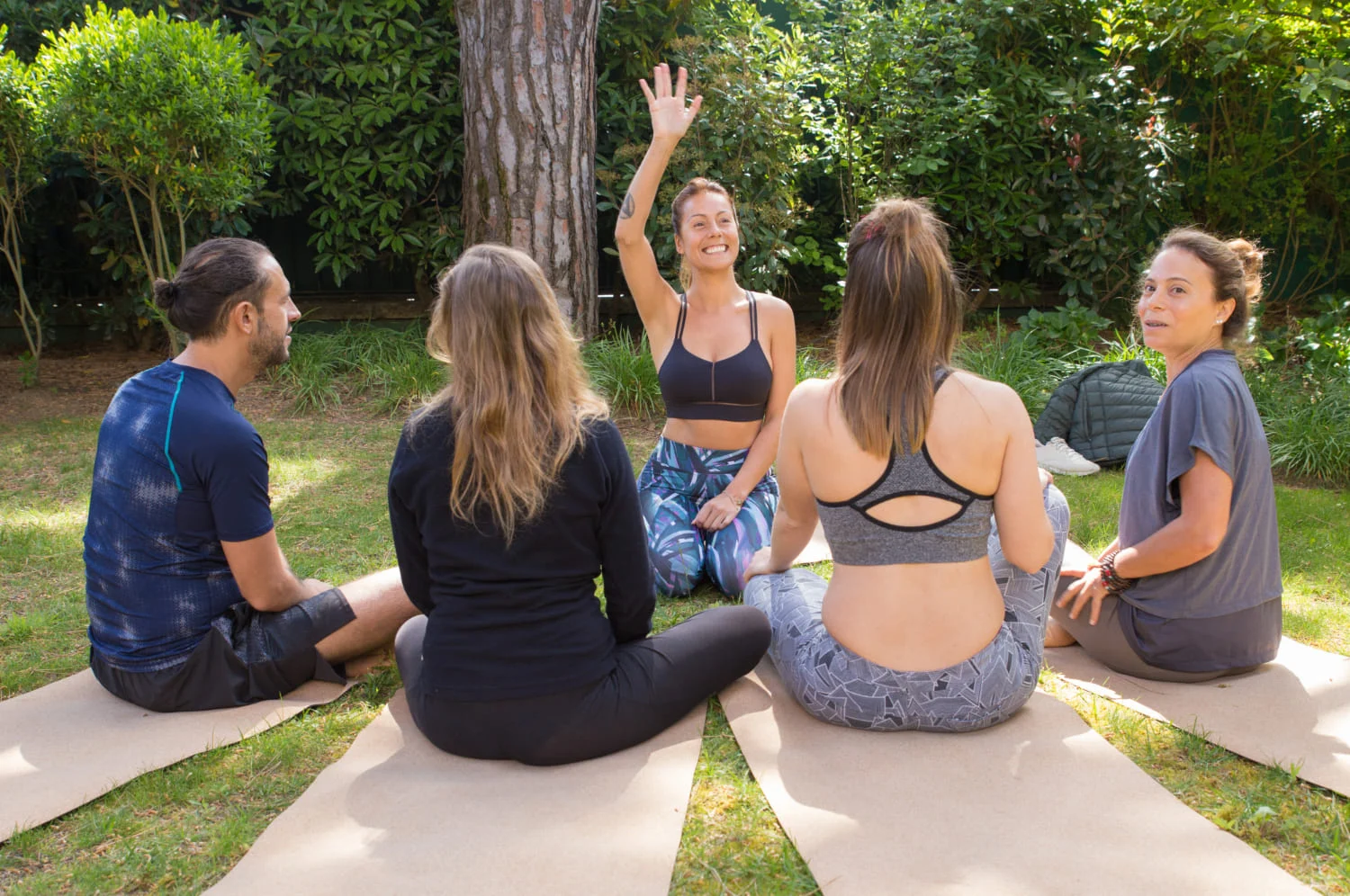
A corporate wellness retreat is a multi-day trip for a work team, hosted away from the office and built around recovery and relationships in place of a working agenda. Programming leans toward movement, meditation, breathwork, shared meals and unstructured time outdoors. Most run two to four nights at a dedicated retreat property.
An offsite is a working meeting with better catering. A retreat removes the work agenda, so the quarterly review stays home. So does the slide deck that would have been hanging over Thursday. Some companies bolt a half-day of planning onto the front or back, which works fine as long as everyone knows which part is which.
Most Wellness Spending Doesn’t Move the Numbers
In 2024, a researcher at Oxford’s Wellbeing Research Centre compared workers who took part in 11 common wellbeing practices against those who didn’t, drawing on a survey of 46,336 people at 233 organizations. It’s thought to be the largest study of its kind so far. Mindfulness classes, resilience training, stress management courses, sleep programs, coaching, wellbeing apps. None showed a measurable benefit.
A few practices even trended slightly negative. The author puts that down to selection effects, since people already struggling are the likeliest to sign up. One offering did move the needle upward, and it was charitable volunteering. The paper credits social resources over psychological ones there, and the mechanism looks a lot like people working alongside each other for someone else’s benefit. Hold it lightly, though. This was a snapshot comparison and not a controlled trial.
The design flaw runs through all of them. They ask the worker to change and leave the job untouched. Each one gets delivered into the same inbox, at the same desk, in the fifteen-minute gap between the two meetings that caused the strain. Nobody decompresses in the room where the pressure lives.
What a Corporate Wellness Retreat Does for a Team
Five changes show up when a team goes away together for several nights.
- Genuine detachment from work. Geography does what willpower can’t manage on a Tuesday evening at home.
- Relationships that outlast the trip. People drop their work personas once the agenda runs out, and what they learn about each other carries back.
- A drop in stress load, though a short-lived one. Time away produces a small but real lift in wellbeing measures, and a retreat is a concentrated version of it.
- Candor that the office won’t allow. Feedback given on a trail lands differently than feedback given across a conference table with someone’s calendar alarm going off.
- A shared reference point. Teams that have been through something together get a shorthand, and shorthand is what makes hard conversations faster six months later.
One limit deserves naming up front. None of this repairs a broken workload or a manager nobody trusts. A retreat buys clarity and goodwill; what you spend those on afterward is the whole game.
The Shape of Three Days in the Blue Ridge Mountains
Most teams have never been on one of these and can’t picture what fills the hours. Three nights breaks down into three days that do different jobs.
| Day | Rough shape | What it’s doing |
|---|---|---|
| Arrival afternoon | Unhurried check-in, dinner cooked together, fire after dark | Draining work adrenaline. Nobody is asked to perform yet |
| The full day | Movement or meditation early, one substantive session mid-morning, a long open afternoon, a circle after dinner | The part that earns the trip. Roles come off somewhere in here |
| Departure morning | Slow start, one closing conversation, a single commitment written down before the drive | Turning goodwill into something that survives Monday |
What fills the mid-morning slot is up to you, and we’ve covered corporate retreat activities worth running separately. The open afternoon is the piece people want to fill and shouldn’t.
Why Distance Matters More Than the Program
Occupational psychologists call it psychological detachment, and it means something narrower than rest. Your mind has to come off the job entirely, which is why a hotel ballroom forty minutes from headquarters keeps disappointing people.
A meta-analysis in the Journal of Occupational Health pooled seven studies on time away from work and found a small but real lift in health and wellbeing. A newer pooling of thirteen studies put the effect smaller still, with clear movement on stress and exhaustion and none on overall life satisfaction. Modest gains, in other words, and worth having anyway.
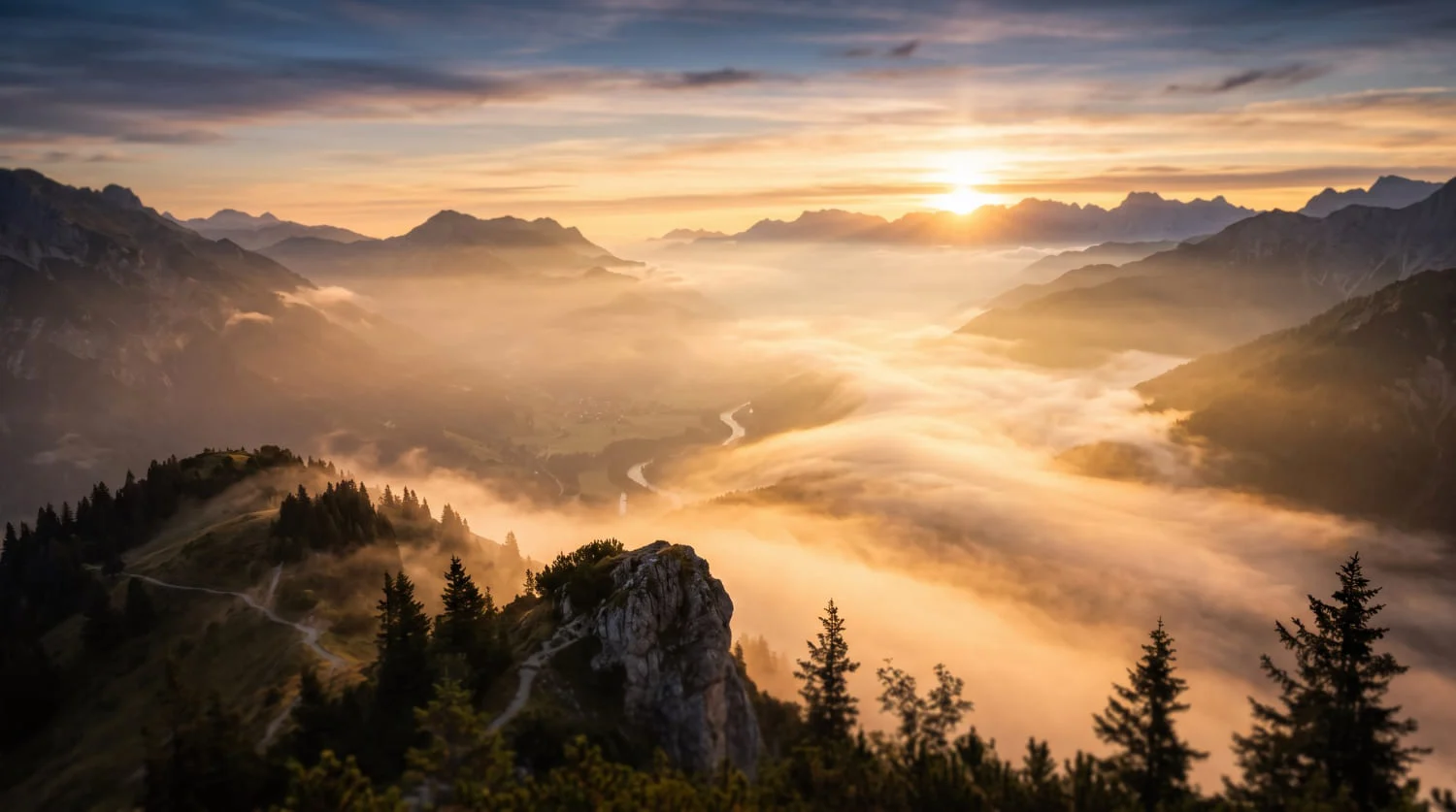
That has a blunt practical edge. A wellness retreat for corporate teams delivers detachment through geography, where discipline alone won’t. Our 63 acres sit on Meadow Fork Road outside Hot Springs, North Carolina, ringed by national forest and about an hour from Asheville. Groups book the whole property for private wellness retreats, which puts four spaces at their disposal:
- Bliss House for lodging
- Celestial Hall for meals and sharing circles
- The ceremonial yurt, for movement and meditation
- Sacred Mountain Sanctuary, for whoever needs to walk off a hard conversation alone
Why Group Wellness Retreats Beat Solo Perks

Gallup’s 2026 report puts engagement at 20% worldwide, with 22% of employees reporting loneliness the previous day. The US and Canada carry the highest daily stress of any region at 50%. You can’t app your way out of a problem that lives between people. The U.S. Surgeon General’s workplace framework names connection and community as one of five pillars of workplace mental health, resting on social support and belonging.
A retreat reaches that layer by default. Dinner gets cooked by whoever’s free, which some nights means your CFO working alongside the intern who never speaks in stand-up. Nobody has a title on a trail at seven in the morning, and that’s usually when someone quiet turns out to have strong opinions about the roadmap. Those discoveries survive the drive home. Trust falls don’t.
Apps, Offsites and Retreats Compared
Wellness budgets get spent across a spread of formats, and they don’t do the same job.
| Format | Where it happens | What it reaches | Staying power |
|---|---|---|---|
| Wellness app or portal | At the desk | One person’s habits, briefly | Barely registers |
| Lunchtime class on site | The office | Physical tension | Hours |
| Single-day offsite | A nearby hotel | Team mood | Days |
| Multi-day corporate wellness retreat | Away, low connectivity | Recovery plus team relationships | Weeks, longer with follow-through |
| Changing workload or scheduling | The job itself | The cause | Ongoing |
The bottom row is where durable change lives. Getting your leadership team off-grid for three days is usually how a scheduling overhaul gets agreed to in the first place.
How Long the Benefits Last
Honest answer: not as long as you’d like. That newer pooling of thirteen studies found wellbeing back at pre-vacation levels after the first week back at work. Anyone selling a retreat as a permanent fix is selling you something.
The same researchers drew a useful conclusion from that. Stretching a break longer doesn’t buy proportionally more recovery, so several shorter breaks spread across the year beat one heroic annual offsite. Run something in spring and something in autumn ahead of the crunch, and you get two recovery peaks where one long trip would have given you one.
Which is why the last afternoon matters more than the first. Teams that hold onto the most benefit, in our experience, leave with one commitment written down. No meetings before ten, or Slack going quiet at seven. Agree to it on the mountain and the retreat stops being a nice memory.
Corporate Wellness Retreat Costs, Broken Down
Nobody publishes a straight number for this, and the numbers you do find mean little without knowing what sits inside them. Five drivers move the price more than anything else:
- Exclusive use of the property, versus sharing it with whoever else booked that weekend.
- How many nights, though a third rarely adds a full third to the bill.
- Catering swings hardest of the five, somewhere between a private chef and your team cooking for itself.
- Outside guides for meditation, breathwork or leadership sessions get quoted separately from the room rate.
- Travel. For a distributed team, flights can quietly outweigh everything above.
Ask any venue to break those out before comparing quotes. A cheap nightly rate with everything unbundled beneath it can land well above a property that quoted you one number for the whole group.
Where Leaders Push Back
Three objections come up almost every time, and each deserves a straight answer.
| The objection | The straight answer |
|---|---|
| We can’t lose three days of output | You do lose them. Worth asking what those days were producing, at the engagement levels above |
| Half the team has no interest in breathwork | Fair. Put a door in every session and say the opt-out aloud on the first evening |
| Forced fun backfires | Reliably. Resentment comes from working offsites in a bathrobe, and weekends nobody is paid for |
Ask about dietary needs and mobility before anyone books a flight. The four-mile climb that turns out to be the only afternoon option is how you lose someone for the rest of the trip.
Corporate Retreat Ideas for Executives
Senior groups need a different design. The C-suite spends its working life managing impressions, and three days of scheduled fun does nothing to interrupt that. What works is structured candor plus long stretches of nothing:
- Silent morning practice before any conversation starts
- One session run by a skilled outsider, where each leader hears how their own team experiences them
- Hours with no program at all — the useful conversation between two VPs happens on a trail at 4pm, never in a breakout room
Most corporate retreat ideas for executives fail by overfilling the calendar.
Picking a Venue, and Knowing What You’re Booking
Three questions sort a shortlist fast.
- Can your group take over the whole property, or will your people be sharing a hot tub with a wedding party?
- Is there a space built for gathering, a hall or a ceremonial yurt or something like it, or are you meeting in a conference room with a whiteboard?
- How hard is it to check email?
Question three sounds petty and tells you more about how the trip will go than the other two combined. Before you shortlist anything, it’s worth getting clear on what a wellness retreat involves, because the label gets stuck on everything from a spa weekend to a ten-day silent sit, and the gap between those two is enormous.
One caution about us specifically. We’re a retreat sanctuary, not a resort, and we don’t run a concierge desk. Groups bring their own leader or hire one, and catering and scheduling land partly on your side. That suits teams who want the land and the quiet and will handle the rest. Anyone wanting it all handled is better served by a property with full events staff, and we’d sooner say so now than in month two of planning.
What Leadership Learns on Day Two
There’s a return here that nobody puts in the proposal, and it has little to do with rest. Watch your own organization once the pressure comes off and people stop managing upward, and the culture shows itself in a way no survey captures. Spend day two observing more than participating, notebook out, and you’ll drive home with a list of problems worth fixing.
FAQ
Can you measure the return on a team retreat?
Partly. Pre and post-pulse surveys, absence records and voluntary turnover over the following two quarters give you usable signal. Attributing a revenue number to a retreat is guesswork, and nobody should be quoting you one.
What group size works best for group wellness retreats?
Eight to thirty is our sweet spot. Smaller groups leave quiet people nowhere to hide and the intensity can backfire. Much larger and the group fractures into cliques, which thins out the shared experience everyone came for.
Where can you host a corporate wellness retreat near Asheville?
The Blue Ridge Mountains northwest of Asheville hold most of the region's private retreat properties, with Hot Springs and Madison County about an hour out. That distance matters more than it sounds. Far enough that nobody drives back to the office for a meeting, close enough that a team flying into Asheville lands and arrives the same afternoon.
Do corporate wellness retreats work for remote teams?
They're arguably most valuable for remote teams, since a distributed group has no accumulated in-person history to draw on. Budget more travel time and expect the first evening to feel awkward before it doesn't.