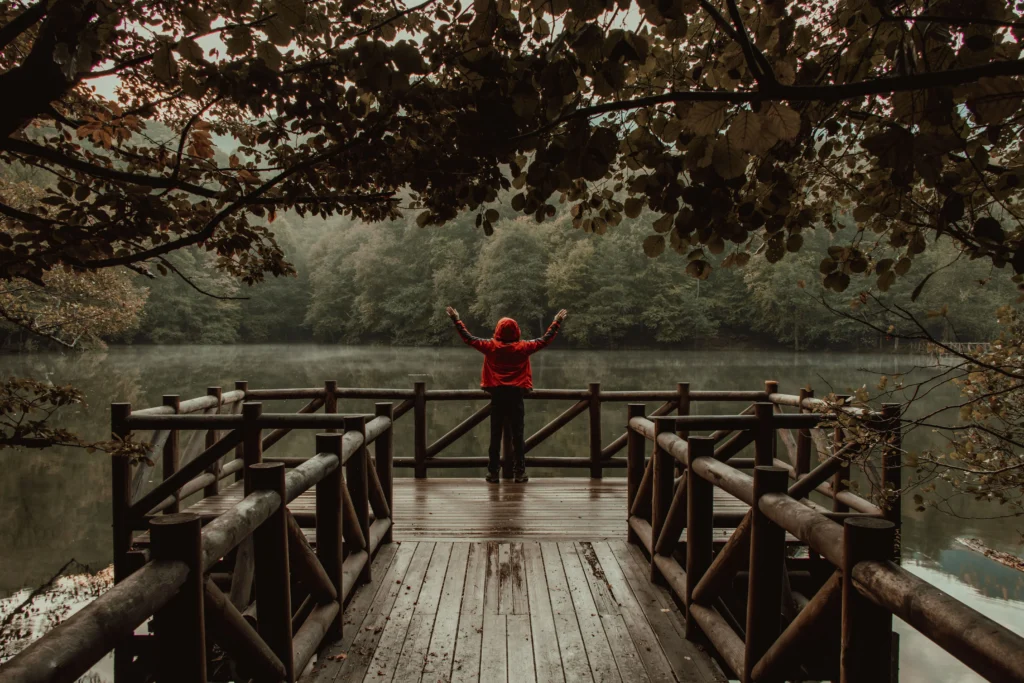
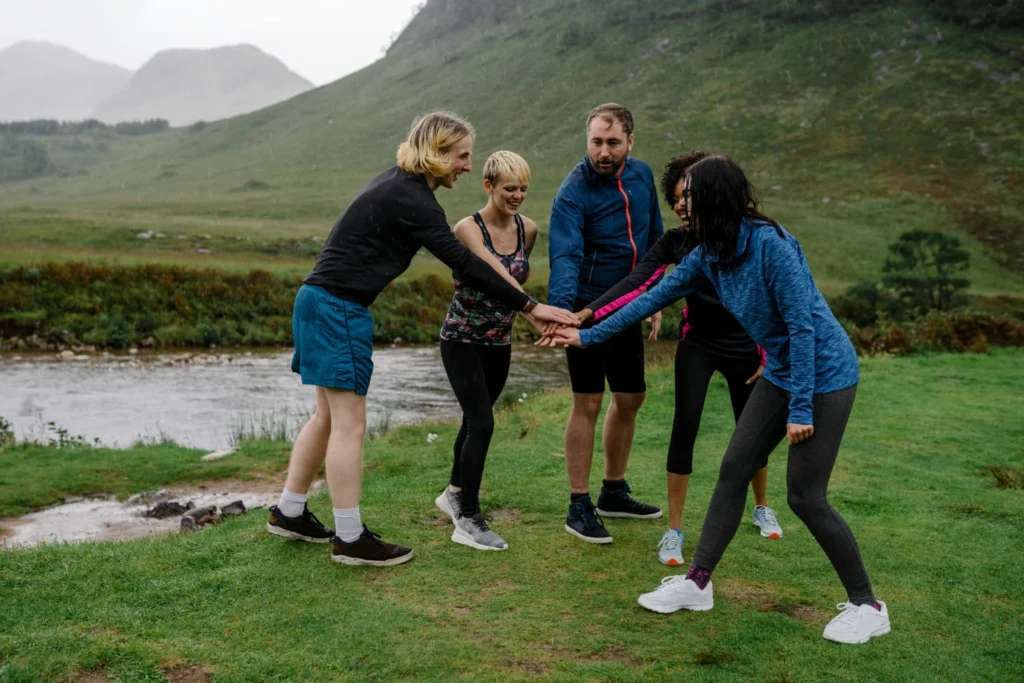
Most weekend trips leave you more tired than when you packed the car. Rushed airports, overpacked itineraries, three hotel buffet plates too many, and by Sunday night Monday’s already breathing down your neck. The right trip resets your nervous system, not just your location, and that means picking quick weekend getaways based on what your mind and muscles need right now, not what photographs best for social media.
Key Takeaways
- Mountain and forest getaways suit people who need sensory quiet, where the only sounds are trees and moving water
- A genuine wellness weekend goes well beyond a hotel spa and includes structured practices like yoga, breathwork, and meditation
- Couples looking for a real reset need shared new experiences more than luxury amenities
- Keep drive time under three to four hours for a two-night trip, because that math protects your rest time
- Small retreat centers deliver more restoration per hour than a large resort because there’s nobody fighting you for a lounge chair
Mountain and Forest Getaways
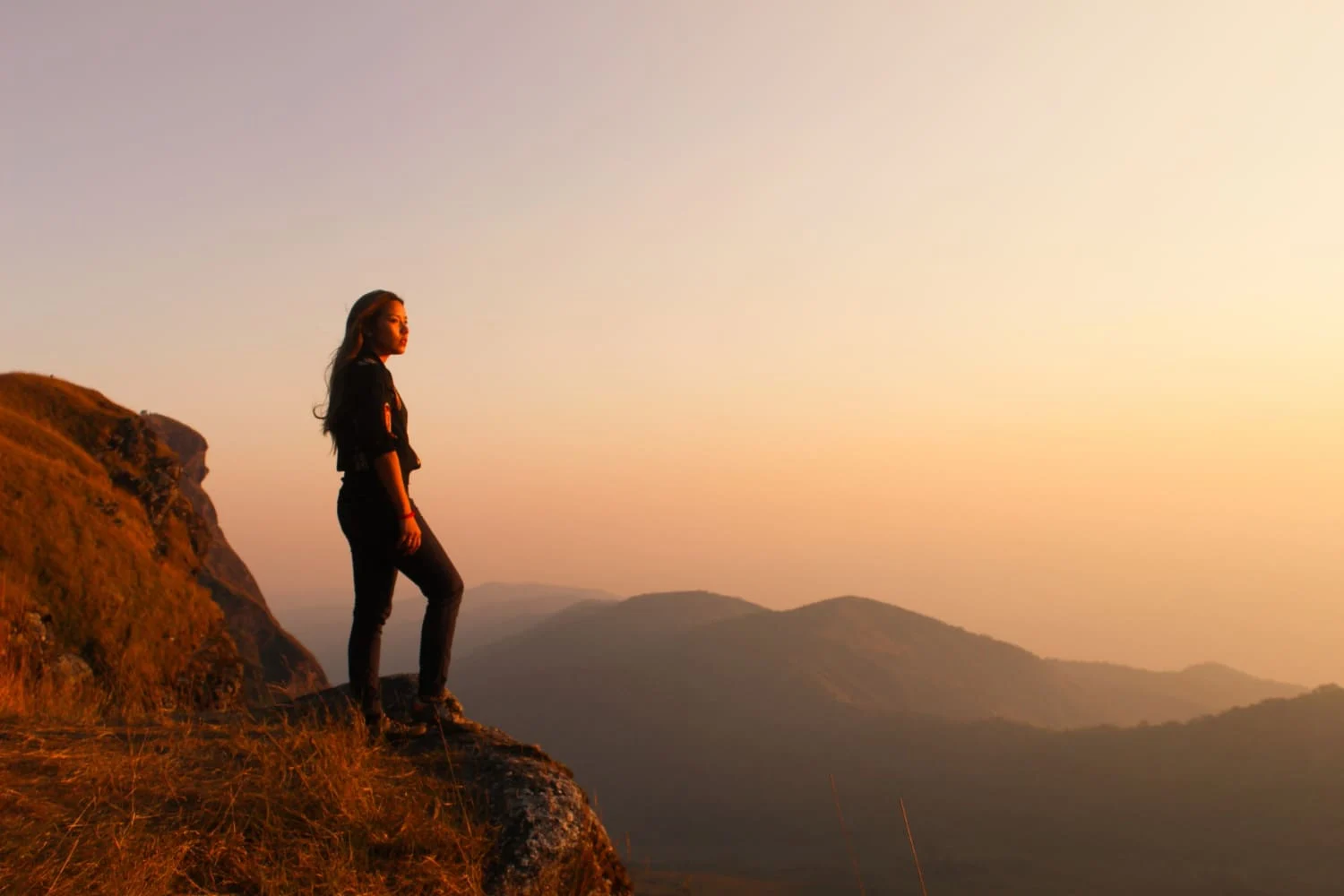
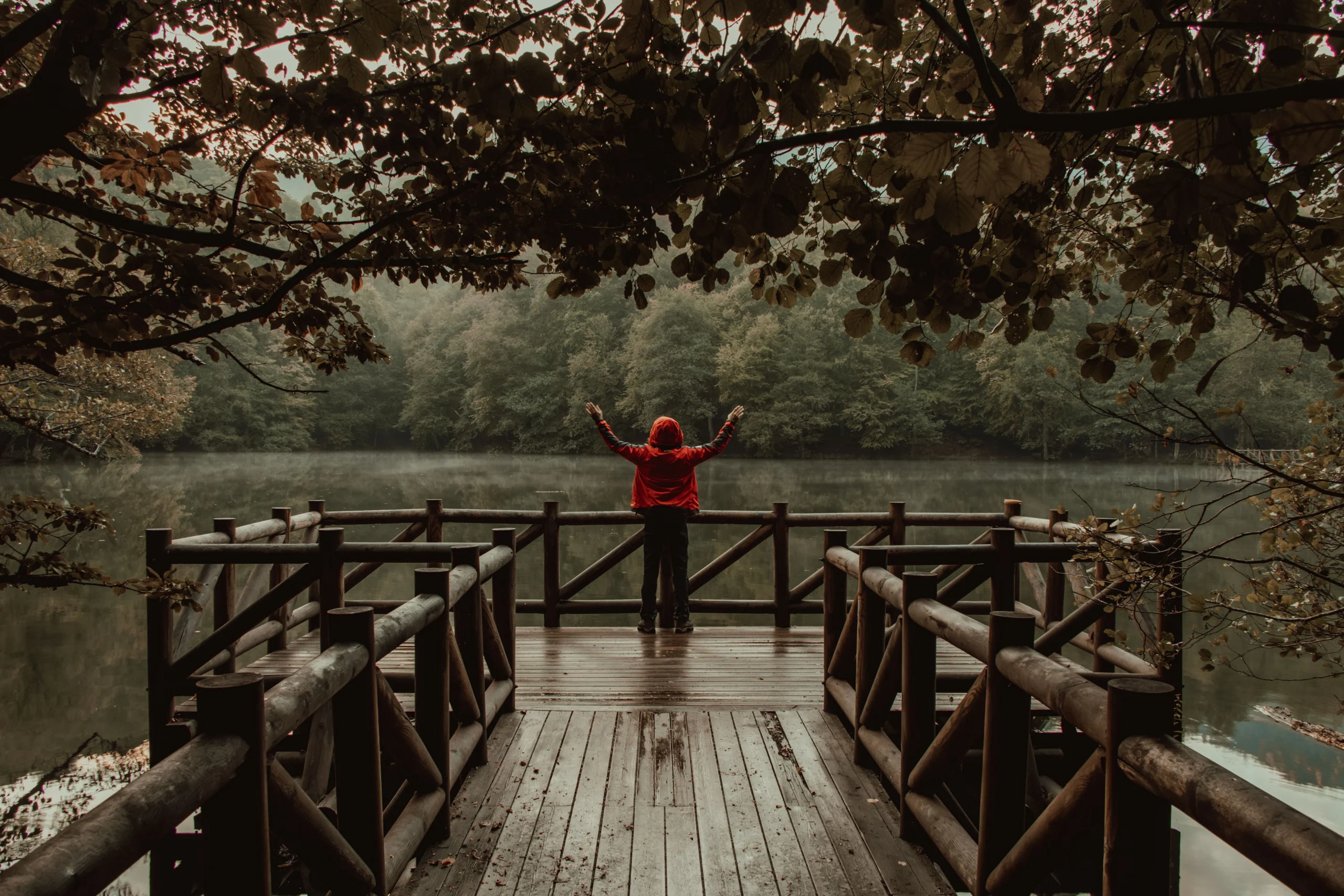
Your phone has pinged eleven times since you started reading this. Maybe twelve. That nonstop hum of alerts, calendar reminders, and traffic noise keeps your cortisol running at levels your body flat-out wasn’t built to handle. Heading into the mountains or dense forest for even a short stay interrupts that cycle harder than any hotel blackout curtain.
Research on shinrin-yoku, the Japanese practice of forest bathing, has been piling up for decades. Forest exposure drops cortisol and blood pressure and slows resting pulse rates compared to the same hours spent in a city. Two days. That’s all the study subjects needed.
We see this at Wheel of Bliss, our 63-acre weekend retreat center in the Blue Ridge Mountains of North Carolina, roughly an hour from Asheville. Streams, waterfalls, ridgeline trails cutting through dense canopy, and hundreds of acres of national forest wrapping around the property. Guests who book a weekend here spend mornings in the ceremonial yurt for meditation or yoga. Afternoons are for the trails, moving through terrain that hasn’t heard a car horn in decades. That pairing of structured stillness and raw nature resets your baseline, and no spa has a menu item for that.
What a Real Wellness Weekend Looks Like
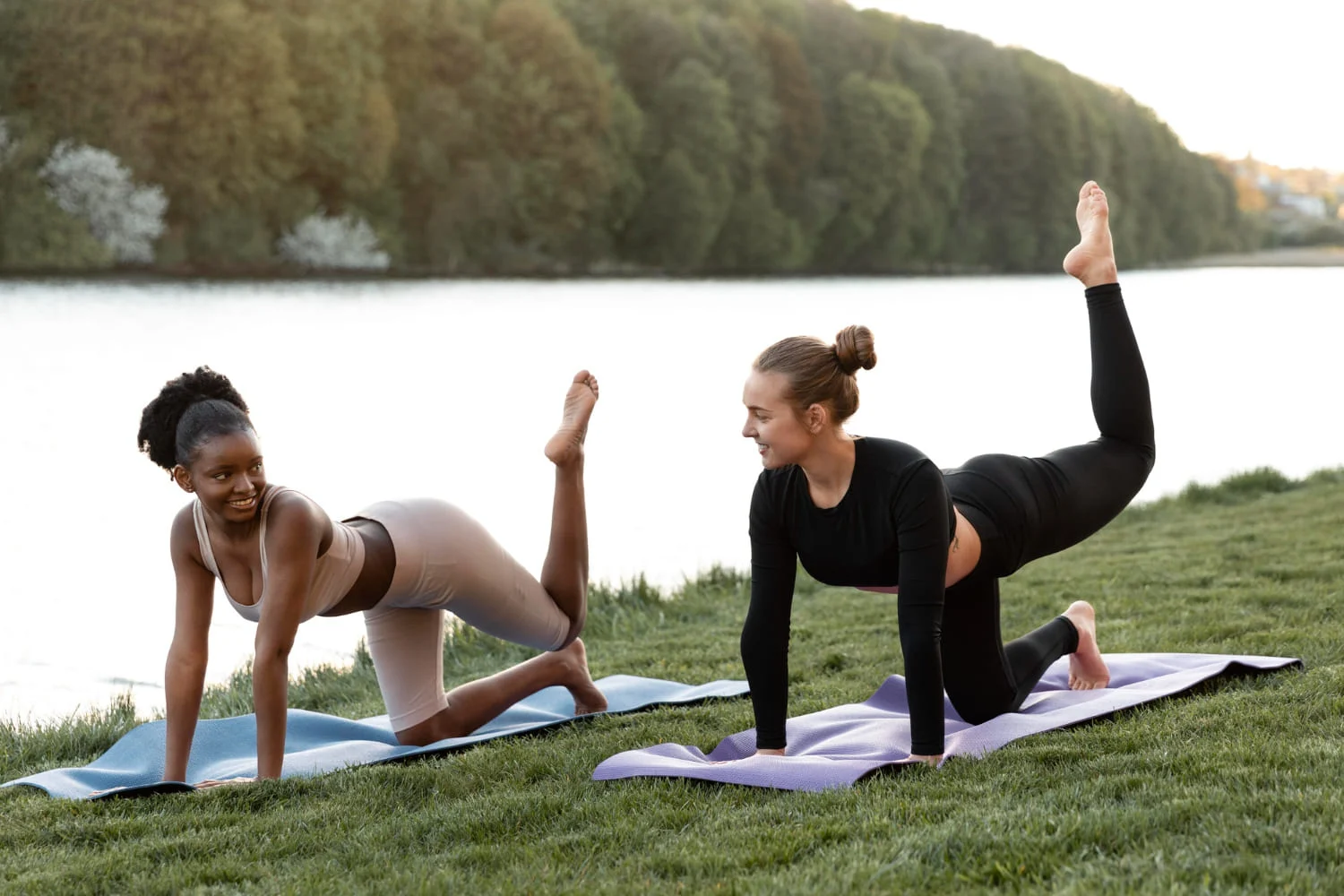
Hotels everywhere advertise spa weekends. Heated pool, a 50-minute massage, cucumber water at check-in. Nice enough. But a weekend retreat built around genuine restoration runs on a completely different clock.
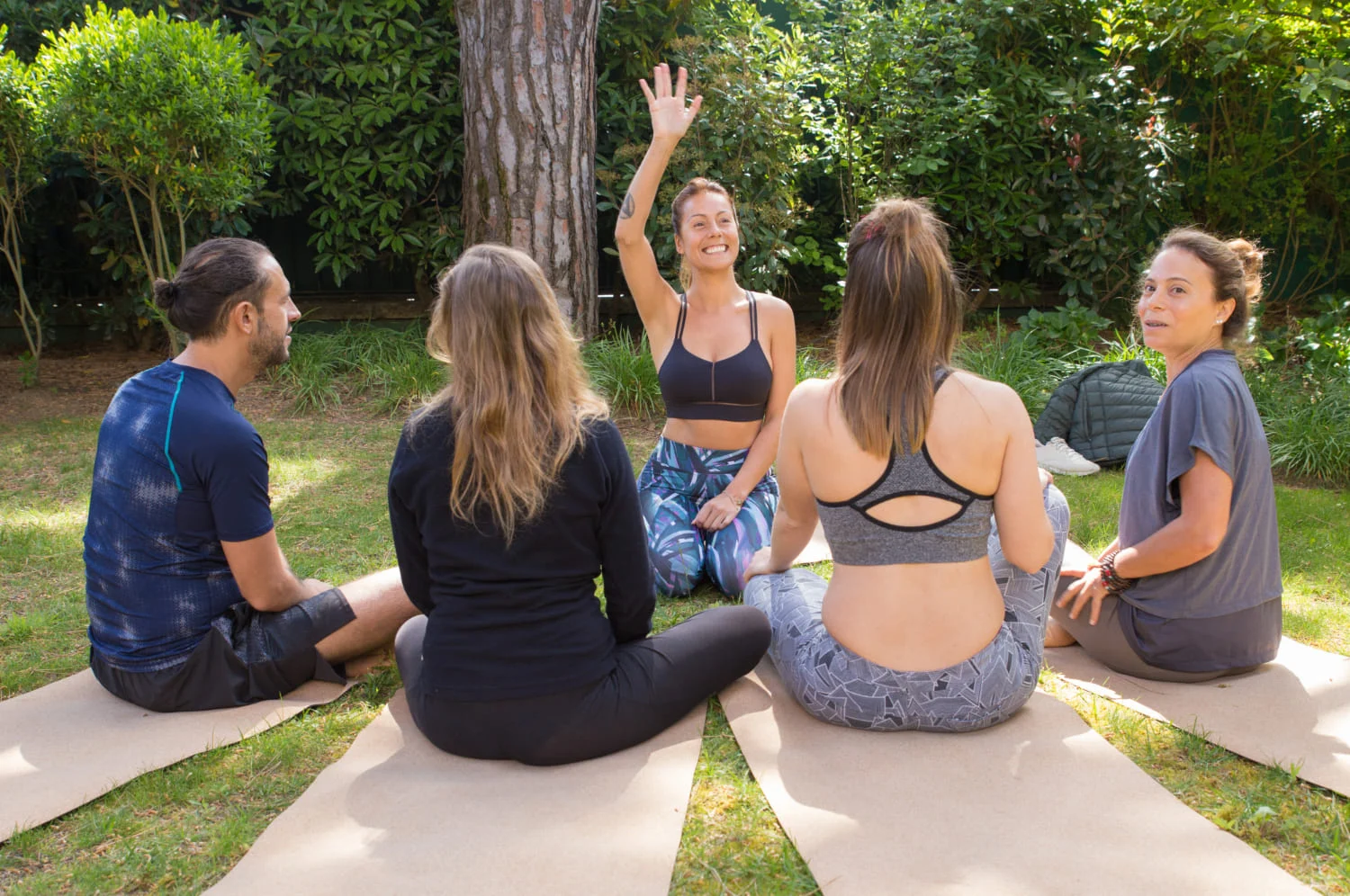
Think morning meditation at six. Breathwork before breakfast. Yoga or movement therapy mid-morning, guided silence after lunch, and a sound bath or sharing circle to close the day. All that repetition is doing real work on your nervous system, which needs rhythm to downregulate. One massage gives you an hour or two of relief. Two full days of sequenced stillness, movement, and breathwork retrain how your body defaults when nobody is asking it to perform.
Before you book anywhere, look for retreat centers that publish a daily schedule with specific practices listed. If the itinerary reads like a resort activity menu with pool aerobics and cocktail hours, keep looking. The strongest programs are run by people who’ve trained in the modalities they’re offering, not hospitality staff who took a weekend yoga certification. Ask about the facilitators. That single question saves you a bad booking.
Best Weekend Getaways for Couples
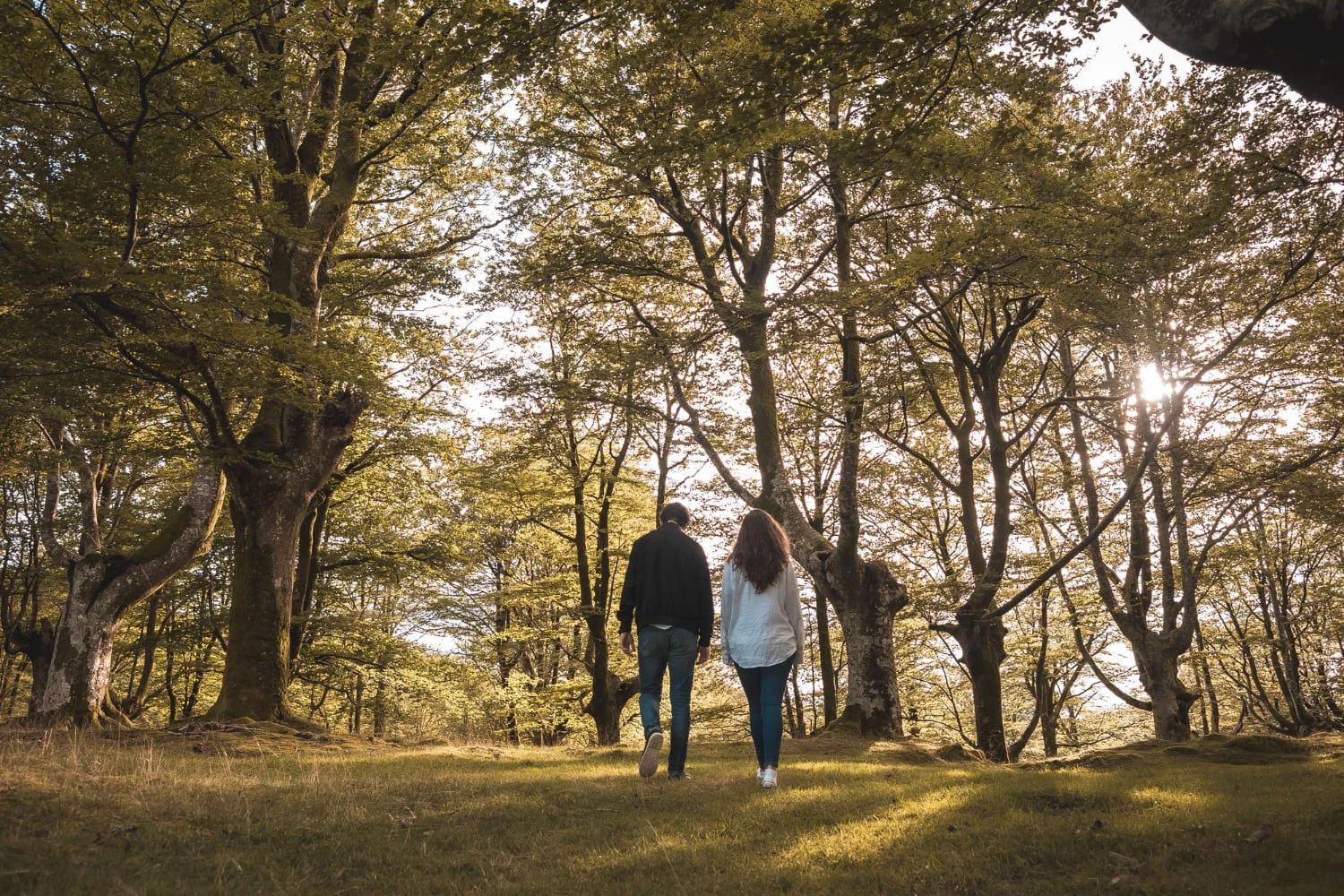
Candlelit dinner. Both of you across the table. Both scrolling phones between courses. That’s most couples’ version of a romantic getaway, and it does almost nothing for the relationship. The best weekend getaways for couples work because they swap passive luxury for shared effort.
Hiking a ridge together, learning a new breathwork practice side by side, sitting in a guided meditation where you’re both complete beginners. Those experiences build a bond you won’t get from a king-size bed and a dinner reservation. You’re on unfamiliar ground together, and that builds trust faster than any amount of room service. Our guide on what a couples retreat involves covers the difference between a vacation and a retreat built for your partnership.
Small-group settings amplify all of this. When you’re one of six couples at a mountain retreat, group meditation or an opening circle does more for your connection than a week at a couples-only resort.
Active Trips for Restless Energy
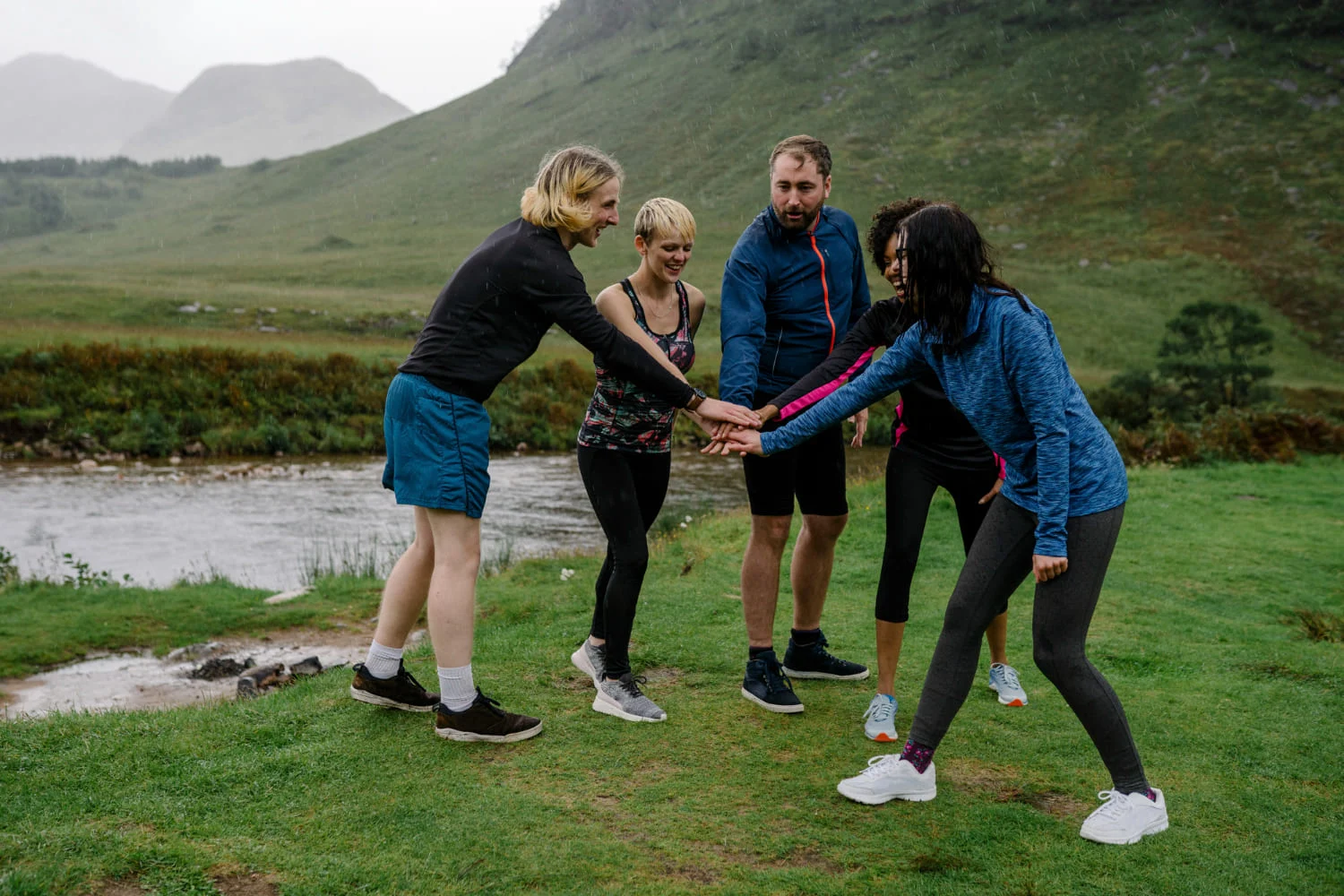
Not everyone unwinds by sitting still. If your stress shows up in your legs, that pacing, can’t-stop-fidgeting kind of tension, forget the hammock. You could trail run through a state park on Saturday morning, paddle a river canyon after lunch, or scramble up sandstone at an outdoor crag before sunset. National parks within driving distance of most U.S. cities make this embarrassingly easy to plan, and a backcountry campsite runs about twenty dollars a night. These are quick weekend getaways where the physical output itself becomes the relief.
Counterintuitive, but true. Exhausting your body with eight miles of uphill trail calms your mind more than eight hours of doing nothing. Exercise cuts poor mental health days by 43 percent. That number comes from a cross-sectional study of over 1.2 million U.S. adults. No week-long booking required. One hard Saturday and one easy Sunday does the job.
Picking Your Quick Weekend Getaway

Biggest mistake people make with weekend trips? Choosing the destination before asking what they need. Start with your body. Are you exhausted or restless? Disconnected from your partner or overstimulated by everything around you? That answer points you toward a completely different kind of trip.
If you can only spare a single day, a day retreat packs meditation, movement, and nature into one concentrated block, and you still sleep in your own bed that night. For a full weekend, cap your travel at four hours or less each way. Anything longer eats into the recovery time your body needs.
| Getaway Type | Best For | Ideal Length |
|---|---|---|
| Mountain / Forest | Overstimulated minds needing quiet | 2-3 nights |
| Wellness Retreat | Physical tension and burnout | 2 nights |
| Couples Retreat | Partners needing reconnection | 2-3 nights |
| Active / Adventure | Restless energy, can’t sit still | 1-2 nights |
Two nights works for most people. You lose Friday evening to travel, spend Saturday fully immersed, and wake up Sunday with time for a final morning session before heading home. Timing matters too. Shoulder seasons, late September and early May, give you lower rates, thinner crowds, and better weather for anything outdoors.
Knock these four out before you leave, and the trip starts the moment you close the front door.
- Yoga clothes, trail shoes, and a journal go in the bag. Nothing with a charging cable.
- Set an out-of-office auto-reply by Thursday night so you’re not sneaking peeks at email from the trailhead.
- Most retreat spots run on minimal Wi-Fi, so download trail maps or meditation apps before you leave home.
- Mute the group chats and tell one friend your plans. Everyone else can wait until Sunday.
What Your Body Is Asking For This Weekend
The trip you need won’t always match what looks good on a travel blog. Beach weekends and city breaks get all the attention because they’re easy to picture, easy to book. Your body might be asking for three days of mountain silence, a hard trail run through a gorge, or a morning meditation practice you’ve never tried. Book that one.
FAQ
What Should You Pack for a Weekend Retreat?
Layers, because mountain and forest weather changes fast. Comfortable clothes you can move in freely. Sandals or slides for indoor spaces if the retreat has a yurt or studio. And a refillable water bottle, since most retreat centers don't stock single-use plastic.
Is Two Nights Long Enough To Recharge?
Two nights is plenty. Short trips still cut your stress load as long as you stay active and sleep well during them. Matching the destination to what your body needs matters more than adding days to the calendar.
What Makes a Couples Retreat Different From a Regular Vacation?
Intention. A vacation entertains you. A couples retreat reconnects you. Shared new activities like hiking, meditation, cooking, or ceremony build trust and intimacy, and poolside lounging doesn't do the same work. The strongest couples retreats include both structured time together and enough open time to talk freely.
Can You Do a Meaningful Retreat in Just One Day?
Absolutely. Day retreats pack meditation, yoga, nature walks, and group ceremony into a single concentrated block. For people who can't manage a full weekend away, they're a real option that still delivers measurable benefits for mood and stress.