Your phone buzzes at 6am. Again. Date nights? They’ve devolved into takeout containers and bickering over what to stream. If that rhythm sounds painfully familiar, a couples retreat might be the summer reset you’ve both been circling around without naming it, and this guide covers what actually happens when you book one.
Key Takeaways
- A couples retreat pairs dedicated time away with intentional practices that rebuild emotional closeness
- Summer months unlock outdoor programming, warmer evenings, and guilt-free vacation days
- Stress hormones measurably drop within 48 hours of forest immersion — sleep follows
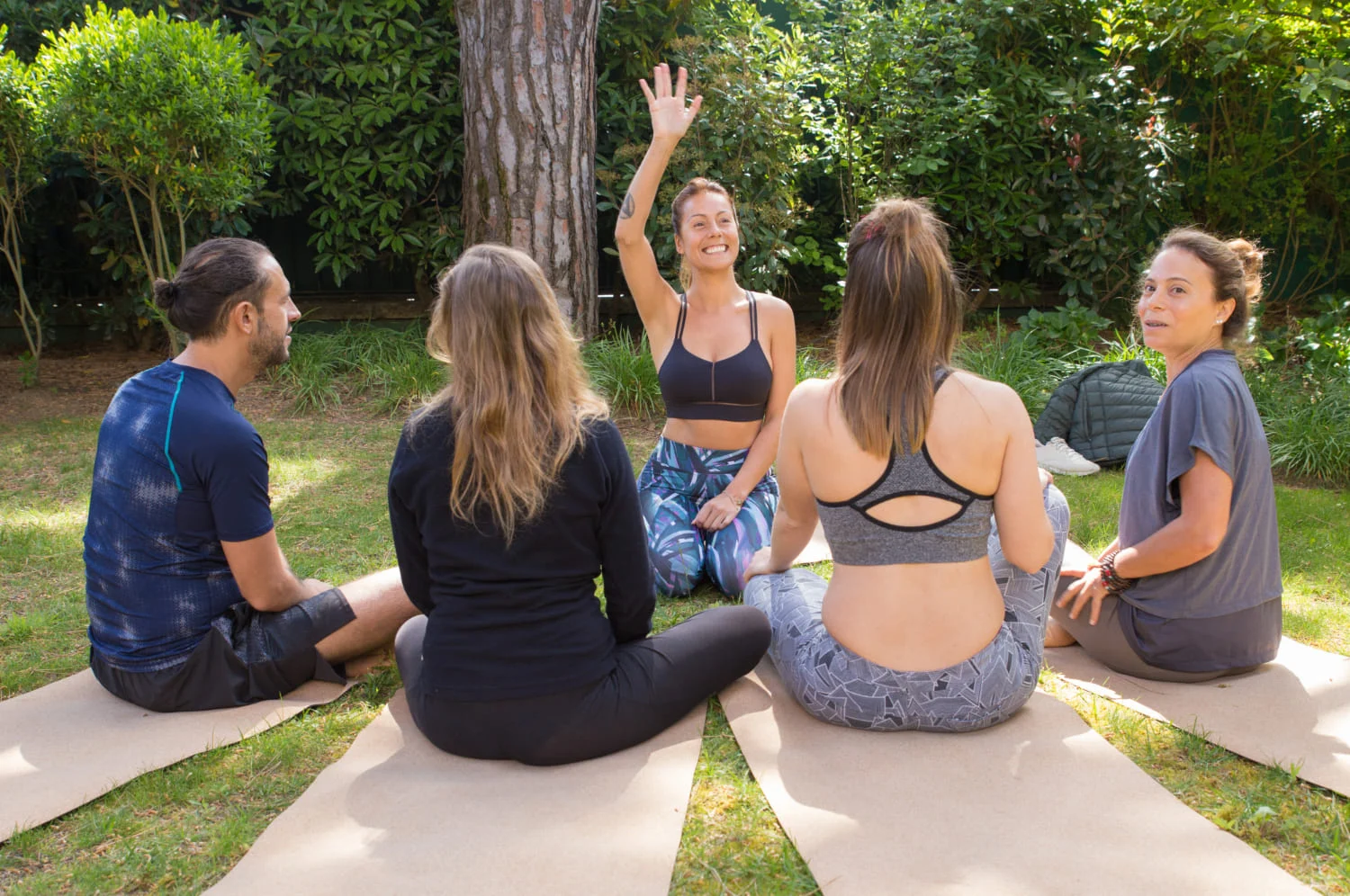
- Activities span everything from partner yoga and sound baths to clinical therapy and fire ceremonies
- You don’t need to be in crisis to go; plenty of couples book retreats during good seasons to stay that way
- Spots like Wheel of Bliss in North Carolina’s Blue Ridge Mountains offer seclusion without a cross-country flight
What Is a Couples Retreat, Really?
Strip away the marketing language and here’s what you get: a couples retreat is a dedicated block of time where two partners leave their regular environment and participate in guided experiences designed to pull them back toward each other. No mystery. But the format? All over the map.
Some retreats run like intensive therapy — four hours of Gottman Method sessions daily with a licensed therapist, assigned homework, very little downtime. Others feel more like spiritual immersion: ceremony, breathwork, silence, firelight. A couples therapy retreat leans clinical. Experiential retreats take a different route, using the body, the land, and shared ritual to crack open the same locked doors.
So when someone Googles “what is a couples retreat,” there’s no single clean answer. Healing after a rough patch? Celebrating ten years? Trying to figure out if you still want the same life? Each version exists. Each hits differently.
Why Summer 2026 Makes Sense
Here’s the practical case. Daylight stretches past 8:30pm in the mountains. Morning air sits cool enough for barefoot meditation on grass still wet with dew. Streams run swimmable. Wildflowers crowd the meadows.
Mountain destinations like North Carolina’s Blue Ridge nail the balance — warm but not sweltering, green but not buggy beyond reason. Booking a couples retreat vacation between June and early September means you get the full outdoor menu: forest walks, creek-side meals, and stargazing from an open field. Try doing that in February.
There’s a scheduling angle too. Summer’s when people take their PTO. Your boss won’t blink.
What a Retreat Does to Your Relationship

Let’s be honest. After a few years of shared routines, most couples stop really seeing each other. You know your partner’s face, sure. But when did you last study it? Conversations that used to unspool for hours now wrap up before the pasta water boils.
A retreat snaps that pattern. Not gently, either.
First, and this sounds too simple to work, removing distractions changes everything. No Slack notifications. Nobody’s emptying the dishwasher. With those gone, something weird happens: you actually talk. Sometimes about what matters. Sometimes about a camping trip from 2014 that neither of you has mentioned in years.
Facilitated exercises push deeper. A good facilitator knows exactly which question to lob into a quiet room. “When did you last feel genuinely chosen by your partner?” Try answering that out loud, sitting two feet from them.
Then there’s the new-memory effect. Watching bats swoop over a meadow at dusk. Cooking with herbs you picked ten minutes ago. Sitting shoulder-to-shoulder around a fire pit without needing to fill the silence. These moments accumulate fast and dilute old tension before you realize it’s happening.
Couples locked in repetitive conflict cycles notice a different effect: the argument that erupts every Tuesday in your kitchen doesn’t ignite the same way in a yurt at 3,000 feet.
For anyone working through something heavier, infidelity, grief, a slow erosion of trust, How Marriage Retreats Can Save a Relationship in Crisis digs into what retreat work looks like when the stakes are high.
Health Benefits That Don’t Make the Brochure
Everyone expects the emotional payoff. Fewer people anticipate what happens physically.
Cortisol, that stress hormone behind the can’t-sleep-but-can’t-focus feeling, drops measurably when you spend time surrounded by trees. Japanese researchers studying shinrin-yoku (forest bathing) confirmed this across dozens of clinical trials. Blood pressure settles. Heart rate slows.
Sleep hits different by night two. Without blue light from three devices and Netflix autoplay rolling past midnight, your circadian rhythm recalibrates fast. Couples who haven’t slept well together in months report a full eight hours by their second night.
The mental side keeps pace:
- Anxiety quiets down once you step out of constant decision-making mode
- Emotional regulation sharpens through breathwork and meditation
- Clarity arrives about what was actually driving your friction, and it’s rarely what you assumed
- You finally get space to feel what you’ve been shelving: grief, gratitude, anger, joy
And physical intimacy? It tends to reappear on its own. Touch stops feeling like a negotiation and starts working like a language again. For a lot of couples, the barrier was never desire, it was bone-deep tiredness wearing a disguise.
What You’ll Actually Do All Day
No two retreat schedules look alike. A couples therapy retreat could block out therapy from 9am to 1pm with afternoons free. Nature-based programs tend to wrap the entire week around silence and slow walks through old-growth forest.
| Activity | What It Looks Like | Duration |
|---|---|---|
| Partner yoga | Trust-based poses, led by an instructor | 60–90 min |
| Communication workshops | Pointed prompts for conversations you’ve been avoiding | 2–3 hours |
| Sound healing | Singing bowls and gongs; you lie still together | 45–75 min |
| Breathwork | Conscious breathing patterns — expect emotional release | 60–120 min |
| Forest walks | Silent or narrated; no talking, just canopy and creek sounds | 1–3 hours |
| Couples meditation | Eye-gazing, synchronized breathing, mantra work | 30–60 min |
| Fire ceremony | Intention setting, releasing what doesn’t serve you both | 1–2 hours, evening |
| Unstructured time | Hammocks, journaling, napping, swimming if there’s a creek | As much as you want |
Meals become part of the rhythm too — eating without phones, tasting food someone else prepared, talking without a timer running. These details register more than you’d expect after three device-free days.
Not ready for a full week? Many centers run a day retreat that packs the core experience into a single intentional stretch.
How to Find a Couples Retreat Near You
Type “couples retreat near me” into Google and brace yourself. Results bounce between luxury spa weekends and intensive therapeutic programs that’ll have you sobbing by lunch. Very different animals.
A few filters that save time:
- Does the listing name the kind of work? Therapeutic, spiritual, and romantic getaways are not interchangeable
- Who’s running the sessions, and what training do they carry?
- How many couples at once? Twelve is a crowd. Four is a conversation.
- Retreat-only property, or a hotel renting a conference room on Saturdays?
For East Coast couples, Wheel of Bliss sits on 63 acres about an hour from Asheville, NC, bordered by a national forest. The property includes the Bliss House for group accommodations, a ceremonial yurt for shared practices, and the Sacred Mountain Sanctuary for solo time. A couple retreat vacation here feels less like checking into a hotel and more like dropping into a rhythm that existed long before you arrived.
Pre-Retreat Checklist
Before you hand over a deposit, run through these together:
- ✓ Name what you each want out of the retreat — out loud, not just in your head
- ✓ Set a budget that won’t create new stress on top of old stress
- ✓ Vet the facilitator’s credentials and read real reviews
- ✓ Ask about dietary accommodations and sleeping arrangements upfront
- ✓ Build in a buffer day on either end — flying home the night you finish is a terrible idea
- ✓ Have the post-retreat conversation before you leave: how will you carry this back into regular life?
Rethinking What Summer Vacation Means
The standard summer trip, resort pool, overpriced cocktails, sunburn, sends most couples home more depleted than when they packed the car. A retreat reverses that equation. You’ll return rested, a little startled by how loud ordinary life sounds, and looking at the person next to you like someone you’d actually choose again.
That’s the whole point.
FAQ
Do we need to be in crisis to attend a couples retreat?
Not at all. Plenty of couples book during their strongest seasons specifically to stay there. Think of it like a tune-up, not emergency repair. Some attend to celebrate an anniversary. Others sense a slow drift and want to correct course early.
Will we have to share personal details with strangers?
Depends on the retreat. Group programs include sharing circles, but participation's almost always voluntary. Private retreats involve only you, your partner, and the facilitator. Read the schedule and structure before booking, and email the organizers if anything feels murky.
How long should a first couples retreat be?
Three to four days hits the sweet spot. Day one you're still decompressing. Day two the real work kicks in. By day three, something's loosened. Weekend formats work too, but they leave less room for anything unexpected to surface, and the unexpected is usually where the good stuff lives.
Can we go if our relationship is already strained?
Yes. But choose deliberately. A spiritually-oriented retreat may not address active conflict the way a clinically-run couples therapy retreat would. If communication has badly fractured, look for a program with credentialed therapists and clear protocols for heated moments. Wheel of Bliss can help you figure out if their setup matches where you both are right now.