People stopped waiting for someone to travel with. They stopped treating alone time as a consolation prize and started booking it on purpose. The solo retreat, once considered unusual and even a little sad to people who didn’t get it, has become one of the fastest-growing wellness formats of 2026, and the reasons behind it go deeper than burnout culture or a need for Instagram content.
Key Takeaways
- Solo retreats keep growing in 2026 partly because group travel fatigue is real. Coordinating with other people adds a layer of compromise that some experiences simply don’t need
- The “retreat to find myself” impulse isn’t a cliché. For people in their late 20s and early 30s, it often marks a genuine inflection point between who they were and who they’re becoming
- A solo wellness retreat works differently than a solo vacation. The goal isn’t stimulation, it’s the opposite
- Preparing well matters more than people think. What you bring and don’t bring shapes the whole experience
- At Wheel of Bliss in North Carolina, the solo format pairs 63 acres of Blue Ridge Mountain land with meditation, breathwork, and genuine unstructured time
- You don’t need a week. A day retreat gives you a real dose of the solo format without committing to an overnight
Something Changed in How People Think About Being Alone
Burnout has been studied to death. Quiet quitting, soft life, slow living. Every year gets its own vocabulary for the same exhaustion. What’s different in 2026 is that people stopped waiting for the exhaustion to pass on its own and started treating solitude as an active practice, not a byproduct of having nothing to do.
Solo retreats have moved from niche to normal with notable speed. Wellness travel publications, retreat booking sites, and therapists all report a shift: solo stays are now what people ask about, not an afterthought after group programs. Who’s asking? Mostly people in their 20s and 30s, mostly urban, mostly high-functioning, mostly quietly overwhelmed in ways that regular vacations don’t touch.
Watching other people document their solo retreat experiences honestly, not the glamorous version but the journaling-by-a-creek version, made it feel accessible. More like maintenance than a crisis move. That shift in perception is part of what’s driving the numbers.
The “I Need to Find Myself” Phase Isn’t a Cliché
Let’s call it what it actually is. Between 25 and 35, a lot of people hit a stretch where the external markers of progress (job, relationship, city, routine) are technically in place but something internal has gone quiet. Not broken. Just muted. There’s a flatness underneath the functioning that’s hard to name in a conversation and impossible to fix with a weekend of socializing.
That’s the retreat to find myself impulse, and it deserves to be taken seriously.
It’s not about being lost. Most people in this phase are doing fine by any outside measure. What they’ve lost is a specific thread of themselves. What they actually want, not what they’ve defaulted to. What they believe, not what the people around them believe. What they’re willing to stop tolerating. Those aren’t questions you can answer in the margins of a busy life. They need space that most daily routines don’t provide.
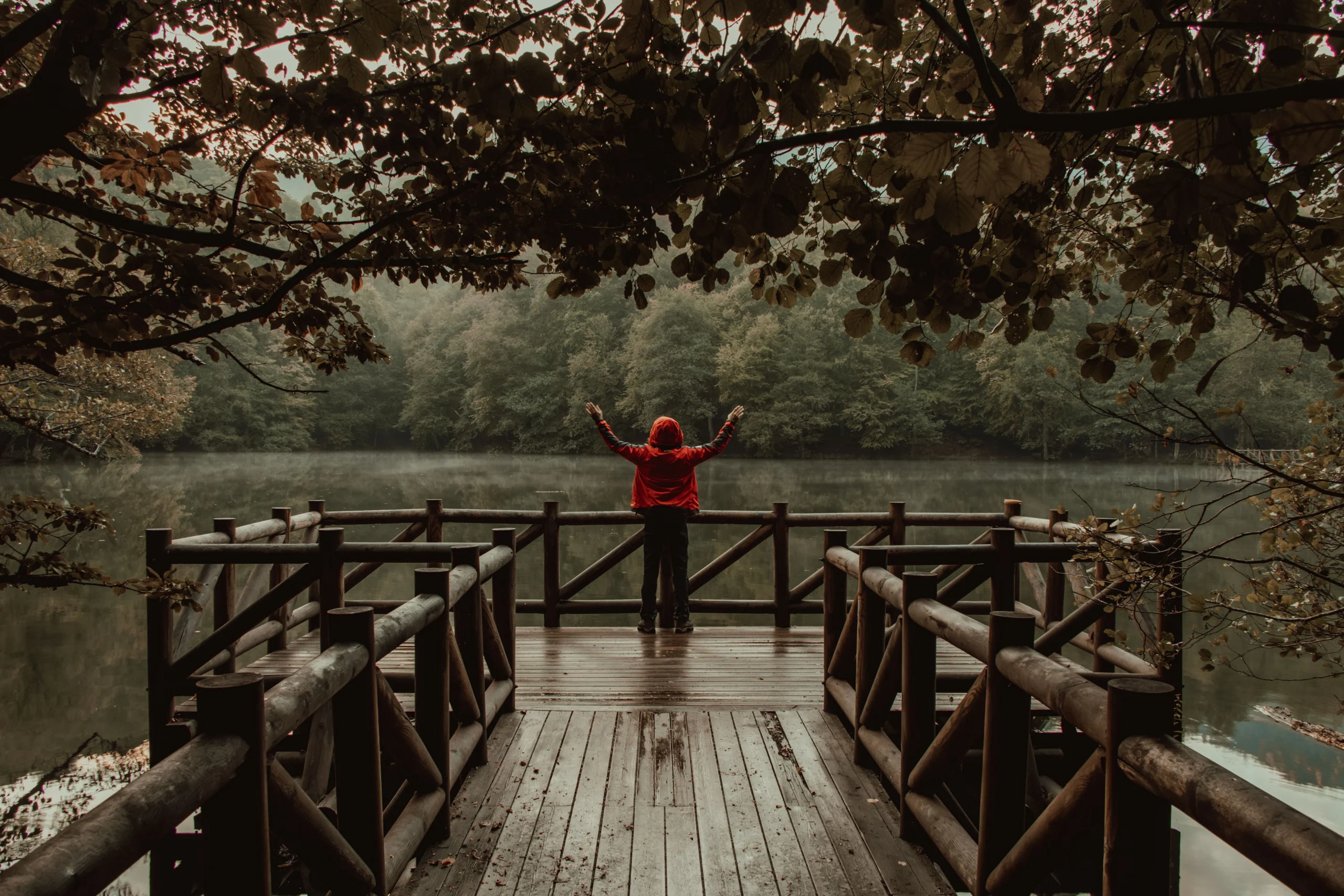
A solo retreat creates that space deliberately. No agenda imposed by other people’s needs, no performance of togetherness, no distraction available on demand. Just you, a setting that isn’t your apartment, and enough quiet that your own thoughts finally get loud enough to hear.
People who come back from these trips talking about clarity aren’t being dramatic. That kind of thinking genuinely can’t happen at home.
What a Solo Wellness Retreat Actually Involves
People sometimes picture a solo retreat as just being alone somewhere nice. That’s solo travel. A solo wellness retreat has a different structure, even when nobody is directing you.
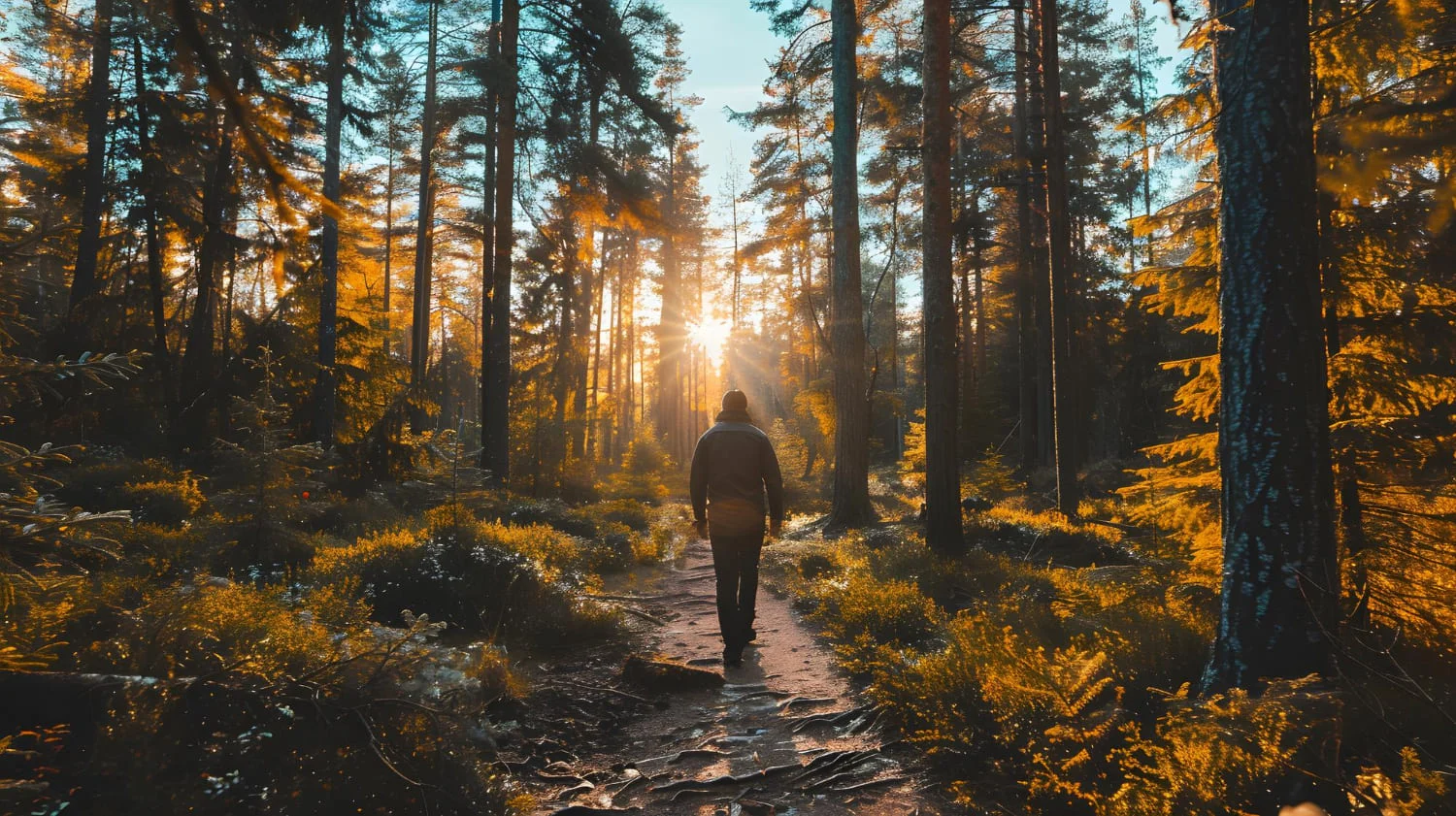
Done well, the self retreat format alternates between light practice and genuine rest. Morning meditation or a mindful walking meditation through forest land. A journaling session with no prompt other than “what comes up.” Breathwork in the afternoon, or just sitting by water for longer than feels comfortable. Meals eaten slowly, without a screen. Early sleep.
Living that rhythm for two or three days without defaulting to your phone is harder than most people expect, and more rewarding than they’d predicted.
Around day two, the ambient noise in your head starts dropping. Your mental to-do list loses its urgency. Something older and quieter surfaces — preferences you’d forgotten you had, aversions you’d been ignoring, a direction that’s been there for a while but kept getting overridden. That’s the self retreat working.
How to Prepare (And What to Actually Bring)
Preparation for a solo retreat isn’t complicated, but a few decisions made upfront change the whole quality of the experience.
Before you go:
- Set a real phone boundary. Not “I’ll check once a day” — actually off, or in airplane mode, for most of the stay. This is where most people underinvest
- Pick one or two loose intentions, not rigid goals. “I want to think about my next chapter” is an intention. “I want to make a final decision about my job by Sunday” is pressure
- Read nothing new on the way there. Arrive with an empty mental inbox
What to bring:
- A physical journal and a pen, not a notes app
- One book you’ve been meaning to read for pleasure, not productivity
- Comfortable clothes for walking and sitting on the ground
- A blanket or warm layer you actually love
- Nothing you “should” be working on
What to leave behind:
- Laptop, unless it’s genuinely how you journal
- Work email access
- Any expectation that insights will arrive on schedule. Sometimes nothing dramatic surfaces. That’s also useful information
Solo retreat ideas that actually land aren’t the ones with the most activities planned. They’re the ones with the most room left open.
Solo Retreats at Wheel of Bliss

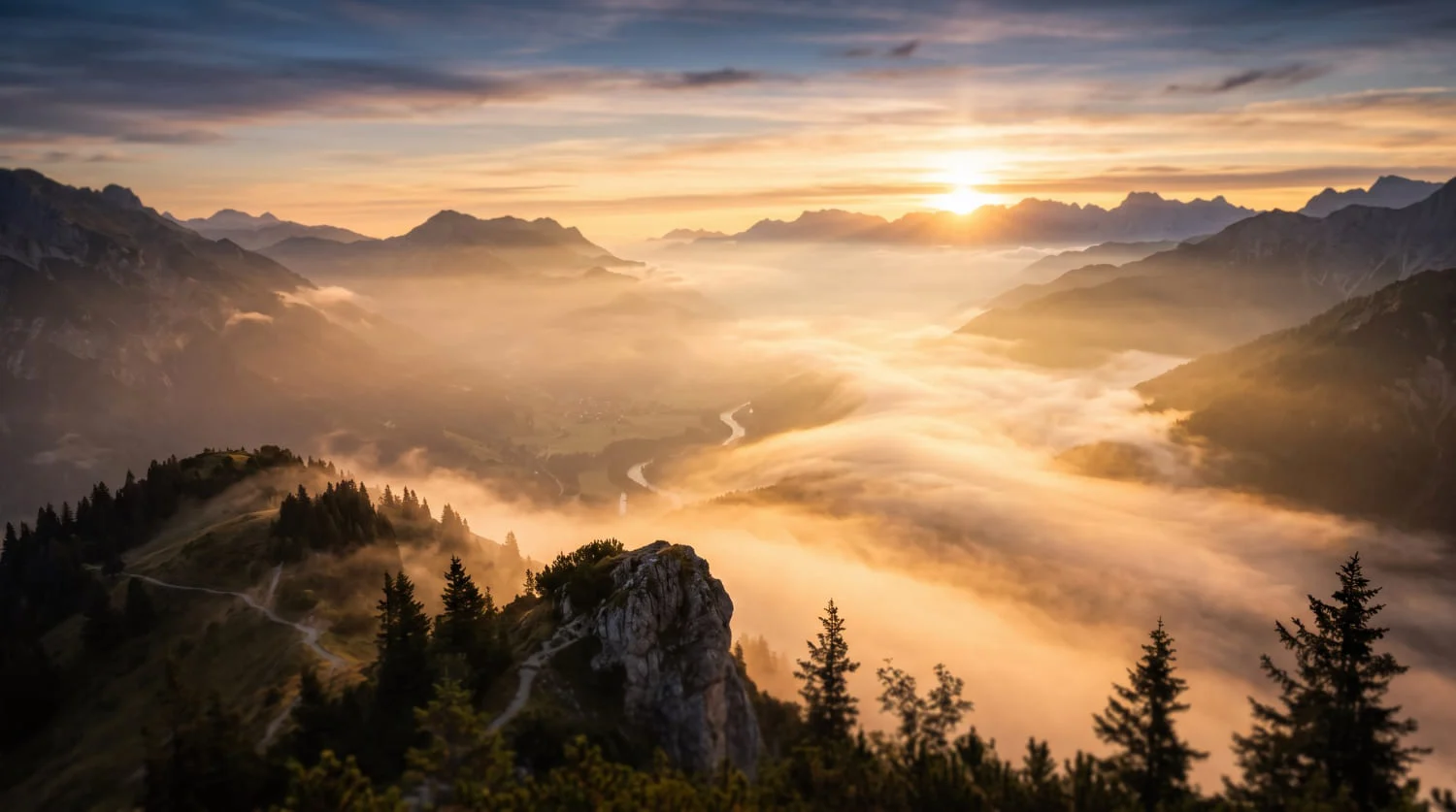
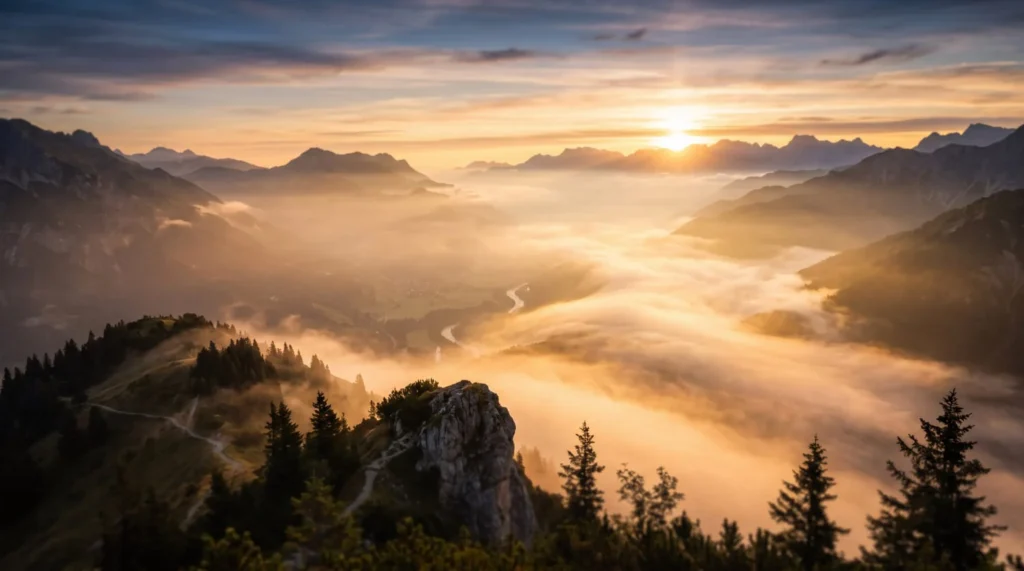
Wheel of Bliss in Hot Springs, North Carolina sits on 63 acres in the Blue Ridge Mountains, surrounded by hundreds of acres of national forest. It was built for exactly this kind of stay. Intentional. Unscheduled. Grounded in land and practice.
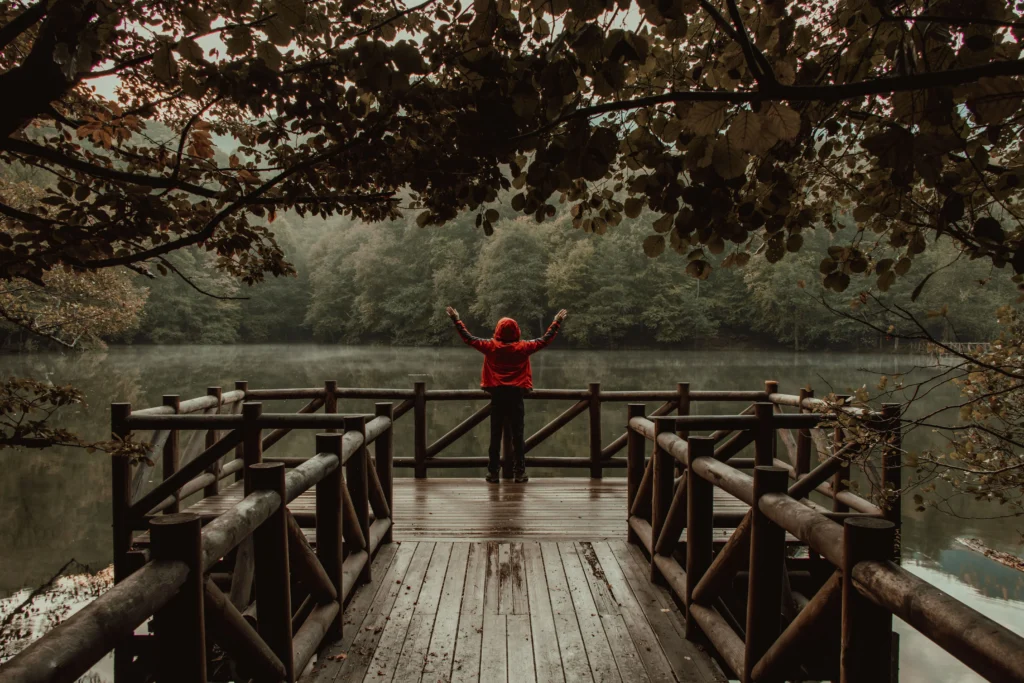
For solo guests, the Meadow Creek House offers private accommodation alongside a creek. A cabin with a fireplace, a porch, and no neighbors in earshot. Silence here has texture: water moving, wind through trees, birds before sunrise. Your nervous system responds to it differently than it does to any urban quiet.
Sacred Mountain Sanctuary provides space for solo walks and contemplation. The Celestial Center, a large ceremonial yurt, holds meditation or breathwork sessions when you want some structure to the silence. Nobody tells you where to be or when. The solo retreat format here is intentionally self-directed. You bring the questions. The place provides the conditions.
About an hour from Asheville, it’s accessible without being urban. For people who want to try the format before committing to a multi-day stay, a day retreat lets you experience the land and the silence without an overnight. Many people book the full stay after.
Solitude at this scale lets you stop performing, even for yourself. Real nature, real quiet, real privacy. That’s the part most people don’t expect. And it’s the part they remember longest.
FAQ
How long should a first solo retreat be?
Two to three days is a solid starting point. Day one is mostly decompression, your brain still running its usual loops. Day two is where things shift. If three days feels like too much, a day retreat at a dedicated space is a real alternative, not a consolation.
What do you actually do on a solo retreat all day?
More than you'd expect. Morning practice (meditation, mindful walking, yoga), then journaling, slow meals, walks without a destination, breathwork, reading, sitting by water. Strange pace at first. Right pace by day two.
Do solo retreats work for people who aren't into spirituality?
Yes. Meditation, breathwork, and time in nature carry documented physiological effects regardless of the framing around them. You don't need a belief system to benefit from 72 hours of quiet and movement.
Is Wheel of Bliss a good fit for a first solo retreat?
For most people, yes. Genuinely private, the setting does most of the work, and there's no required programming to navigate. Bring a journal, leave the laptop, and let the land take it from there.