Forget the seven-countries-in-ten-days hustle. So what is slow travel, and why is it suddenly everywhere this summer? Born in 1980s Italy alongside the Slow Food movement, this gentler way of seeing the world has caught fire among travelers who’d trade airport queues for an afternoon spent learning to bake bread in a Tuscan kitchen. At its heart, slow travel means staying somewhere long enough for a place to start telling you its secrets.
Key Takeaways
- Slow travel grew out of Italy’s 1980s Slow Food movement as a quiet rebellion against mass tourism
- The practice values depth, presence, and real human connection over checklists and Instagram stops
- Slow traveling has surged in popularity throughout 2026 thanks to burnout, climate a wareness, and the remote-work revolution
- Benefits of slow travel range from sharper mental health and lower stress to deeper cultural fluency and a smaller carbon footprint
- Anyone can practice this style with one simple change of pace, staying longer in fewer places
- Retreat centers pair beautifully with slow travel by offering structured stillness alongside open-ended exploration
So, What Is Slow Travel?
Take a regular vacation. Ten cities. Eight flights. Three lost suitcases and a vague memory of which European capital had the good waffles. Slow travel does the opposite of all that.
At its core, slow travel means staying somewhere long enough to actually be there. One week in a Portuguese fishing village. A month renting an apartment in Oaxaca. Two weeks deep in the Blue Ridge Mountains. You wake up, drink coffee at the same café two mornings in a row, and the barista starts to remember your order. That’s the goal.
It’s not lazy travel. It’s deliberate travel. And honestly? It tends to be far more satisfying.
A Movement Born Over Dinner Plates
The whole movement started with pasta. Sort of.
In 1986, when McDonald’s announced plans to open a restaurant near Rome’s Spanish Steps, an Italian food writer named Carlo Petrini led a protest with bowls of penne. That stand became the Slow Food movement, a global pushback against industrial eating, factory farming, and the loss of regional flavor. By the late 1990s, the same philosophy had spilled into other corners of life. Slow Cities. Slow Money. Slow Living. And yes, slow travel.
The first widely-read book on the subject, In Praise of Slowness by journalist Carl Honoré, hit shelves in 2004 and gave the movement intellectual heft. Around the same time, train enthusiasts, eco-tourists, and burnt-out professionals started swapping itineraries online, comparing notes on what it felt like to actually stay somewhere. The movement built quietly for two decades before catching its current wave.
Why 2026 Is the Year Slow Traveling Went Mainstream
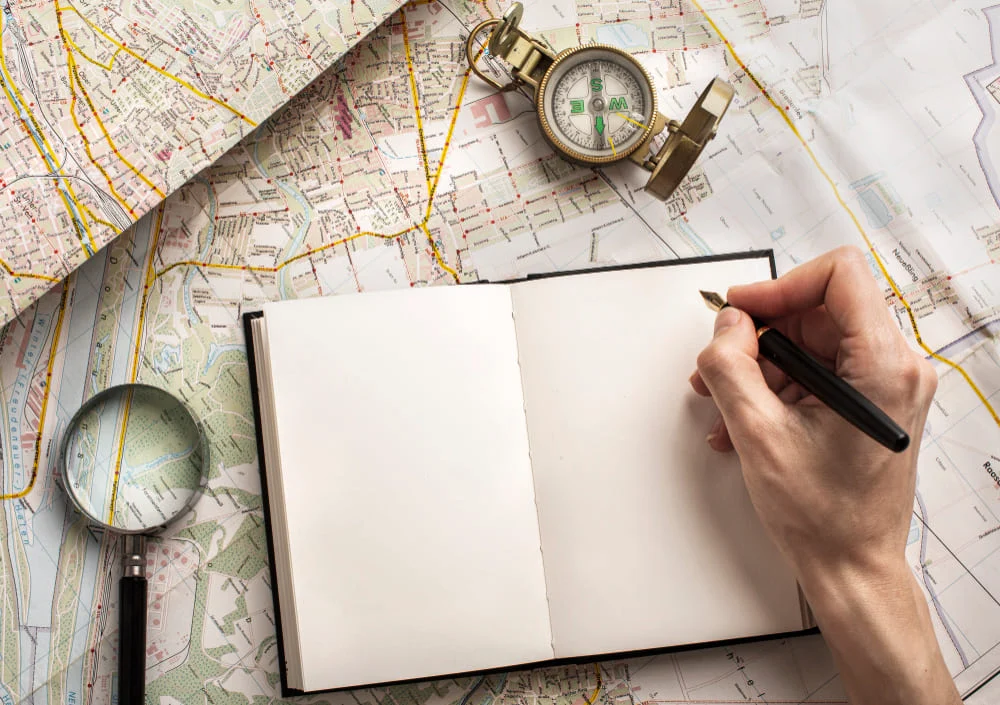
A few forces collided.
First, burnout. Years of always-on work culture, doom-scrolling, and post-pandemic exhaustion left people craving stillness more than stimulation. Travel surveys this year show a striking pattern. Vacationers are booking longer stays at fewer destinations, and they’re spending more time outdoors than they did even five years ago.
Second, climate awareness. With flight emissions facing fresh scrutiny and train networks expanding across Europe and North America, slow travel has become the obvious choice for travelers who’d like to see the world without cooking it.
Third, the remote-work boom finally matured. Digital nomad visas now exist in over sixty countries. If you can keep your job from a laptop in Lisbon for two months, the math on a quick four-day getaway suddenly looks ridiculous.
And fourth, the quietest reason of all. People remembered something. Going fast used to feel exciting. Now it just feels like work.
These same forces explain something else too. The rise of solo retreats traces back to the same root. People want to be alone with their thoughts more than they want company.
Why Slowing Down Actually Pays Off
The case for slowing down isn’t soft or sentimental. It’s measurable.
| Fast Travel | Slow Travel |
|---|---|
| 10 cities in 14 days | 1-2 places, 2+ weeks each |
| Cortisol spikes from constant logistics | Lower stress hormones, better sleep |
| $200-400/night hotel chains | $40-100/night local apartments |
| Surface-level photo ops | Real conversations with locals |
| 3-5 tons CO₂ per trip (flights) | A fraction, especially via rail |
| Forgettable blur | Memories with texture |
Beyond the numbers, the benefits of slow travel show up in subtler places. You start cooking what you ate the night before. You pick up phrases. You stop measuring a trip by how much you crammed in and start measuring it by how it felt. Mental health professionals have started recommending slower trips for anxious clients, citing reduced overstimulation and the calming effect of routine in unfamiliar surroundings.
There’s also the wallet angle. A two-week stay in one Airbnb almost always costs less than a two-week sprint through five hotels. Cheaper, deeper, healthier. Hard to argue with the trifecta.
A Field Guide to Slow Travel
Want to try this without overthinking the logistics? A few practical moves go a long way.
Pick one place. Maybe two. The biggest mistake new slow travelers make is treating it like a slightly slower version of fast travel. Choose a single region and commit. The real settling-in starts around day four.
Stay at least two weeks. A week feels short. Two weeks lets you settle. A month lets you live.
Skip the rental car when you can. Trains, buses, bikes, and your own two feet teach you the geography of a place in ways a windshield never will.
Rent an apartment, not a hotel. A kitchen is the single best tool for slow traveling. Markets become destinations. Cooking becomes part of the day.
Schedule nothing. Build at least one or two days a week with zero plans. The best moments tend to appear in those open spaces.
Learn fifty words. You won’t be fluent. You’ll still be welcomed differently for trying.
Where Retreats Fit Into the Slow Travel Picture
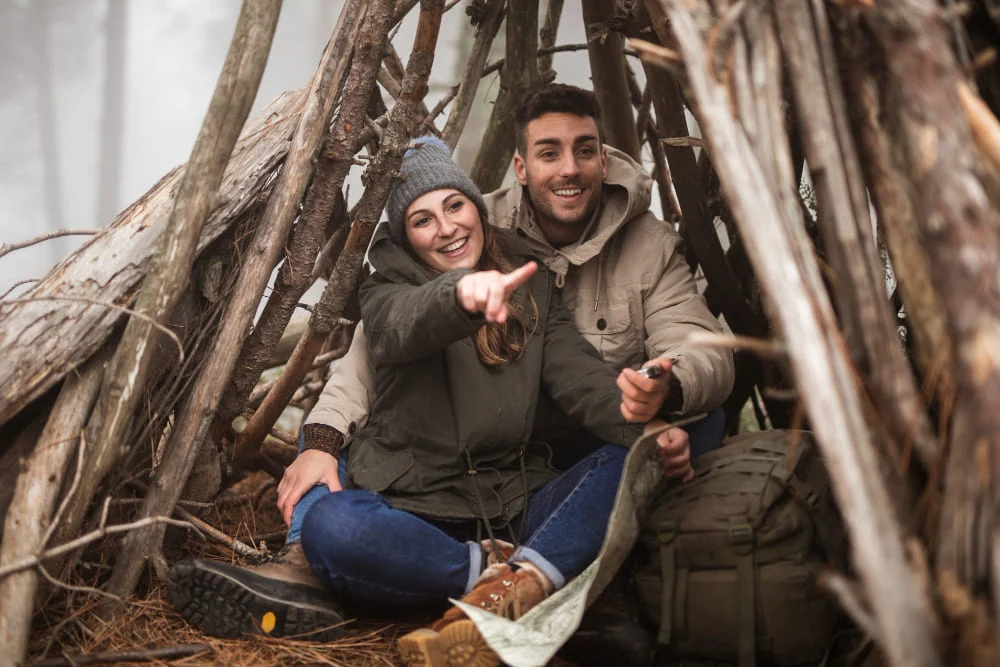
Here’s something a lot of people miss about slow travel. The hardest part isn’t the logistics. It’s the stillness itself.
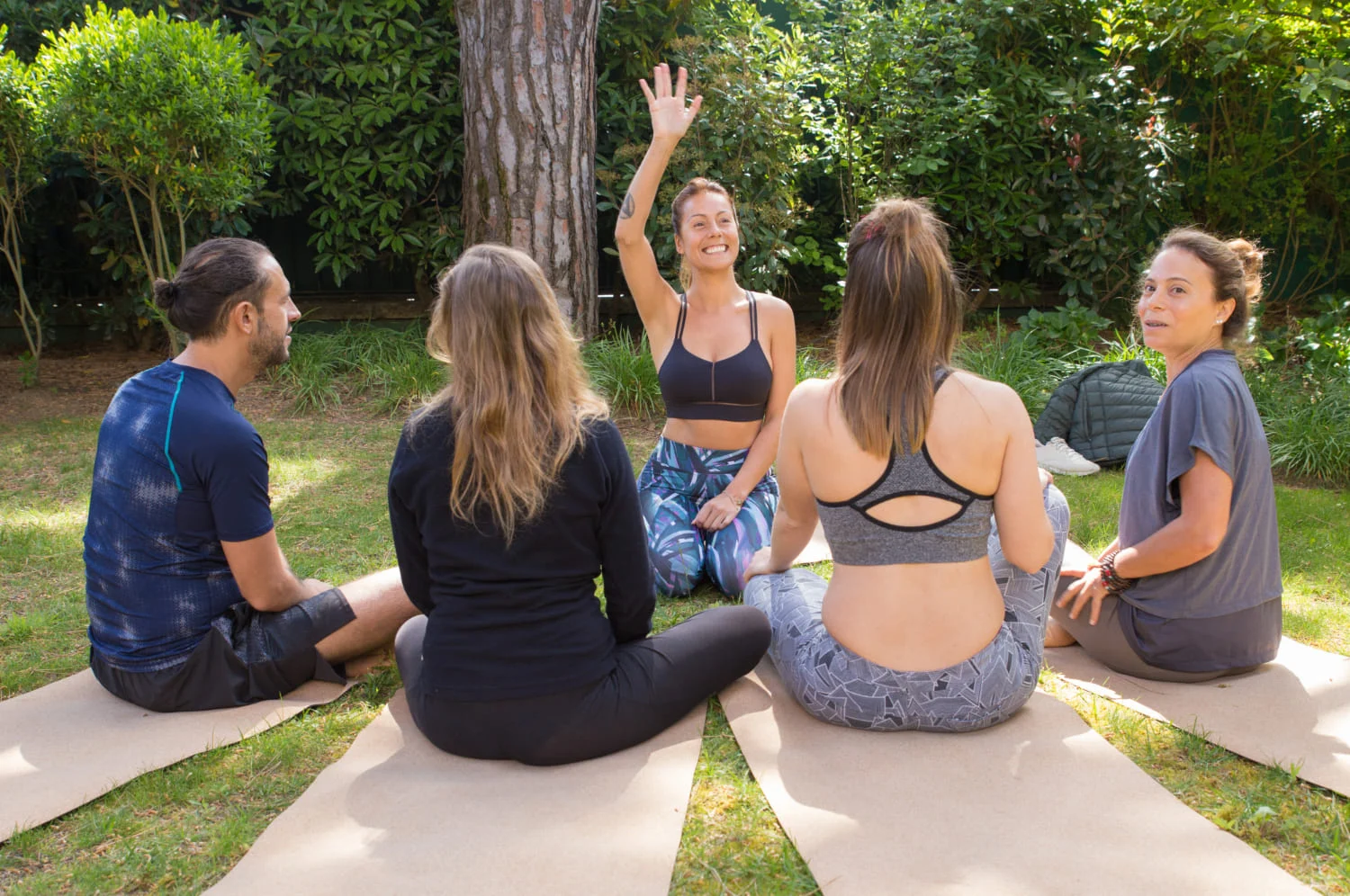
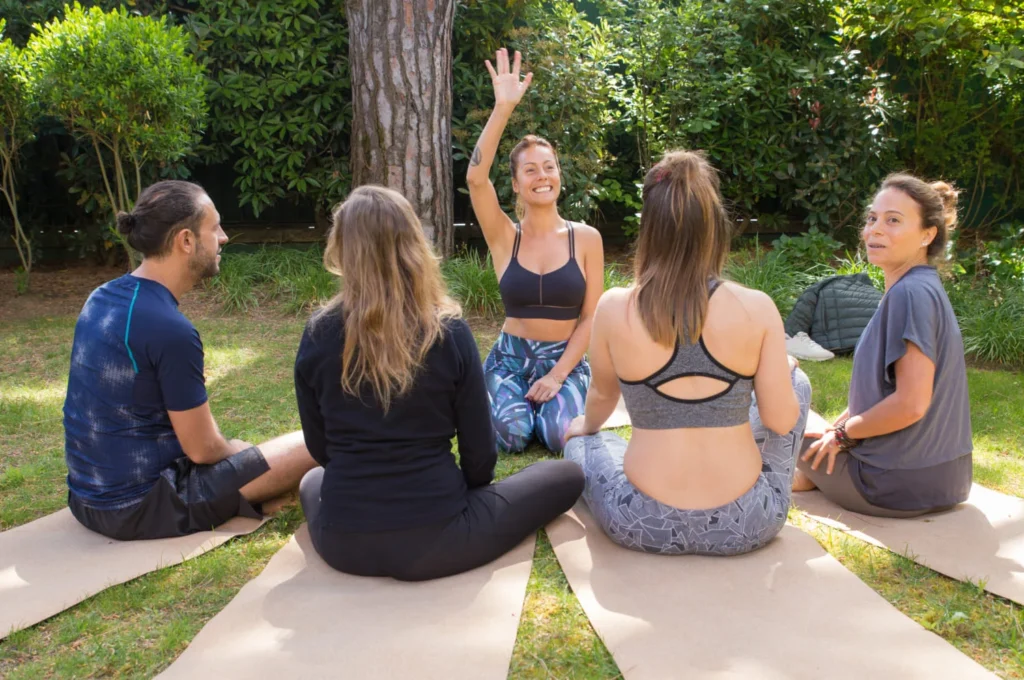
If you’ve spent twenty years optimizing every minute, suddenly having an empty Tuesday afternoon can feel disorienting. That’s where retreat centers earn their keep. A retreat gives slow travel a quiet structure. Meditations at sunrise. Shared meals. Time in nature with people doing similar work. All without scheduling you to death.
This is something we’ve watched play out at Wheel of Bliss, our retreat space tucked into 63 acres of the Blue Ridge Mountains near Hot Springs, North Carolina. Guests arrive frazzled from cities, expecting to “do” something. By day three, they’ve stopped checking their phones at meals. By day five, they’ve started noticing which birds sing when. That’s the texture slow travel is after.
A few options worth considering as part of a slower summer:
- A weekend or day retreat to test the waters before committing to a longer stay
- A solo retreat for those choosing solitude, with space for silent meditation, personal practice, or simply unplugging
- A group retreat paired with a few extra days exploring nearby Asheville or trails through the surrounding national forest
Retreats give slow travelers something a beach rental can’t: a container. A purpose for the slowness. Within that container, the stillness stops feeling empty and starts feeling like the whole point.
FAQ
How long should a slow travel trip last?
Two weeks per location is the sweet spot for most people. A month is even better. Anything under a week tends to feel like fast travel wearing a slower costume.
Is slow travel more expensive than a regular vacation?
Usually the opposite. Renting a local apartment for two weeks, cooking some meals, and using public transit almost always costs less than hopping between hotels and tourist restaurants.
Can you slow travel with only a week of vacation?
Yes, with a small mindset change. Pick one place within easy reach, skip the second destination, and resist the urge to fill every day. A slow week beats a frantic two-week sprint.
How is a retreat different from regular slow travel?
A retreat offers structure: scheduled practices, shared meals, and a community of people doing similar inner work. Regular slow travel is unstructured exploration. Many slow travelers combine both. A few retreat days to settle, then open time after.