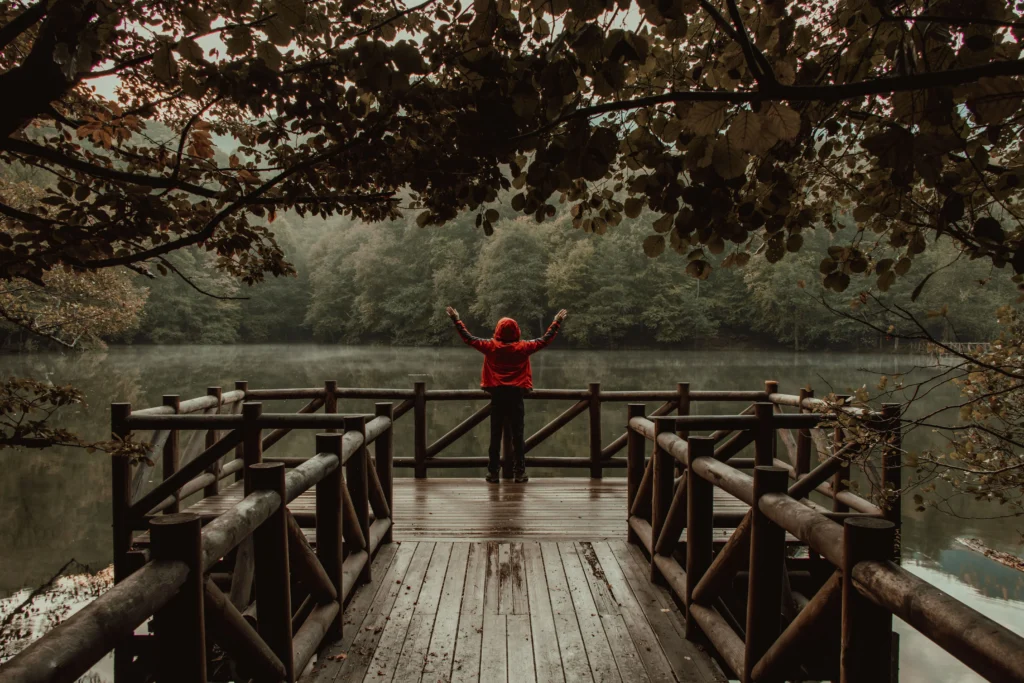
Last summer, a colleague came back from a week in Tuscany and described it as “exhausting” — she’d checked Slack from the vineyard, answered emails by the pool, and spent the flight home catching up on everything she’d half-ignored. A digital detox retreat works on an entirely different premise, one that more and more people are choosing over the conventional summer getaway. At Wheel of Bliss in the Blue Ridge Mountains of North Carolina, the point isn’t a prettier backdrop — it’s a genuine break from the loop that follows most people everywhere they go.
Key Takeaways
- Screen time among U.S. adults averaged 7.5 hours per day in 2025 — vacation doesn’t automatically interrupt that pattern
- Before the nervous system stops anticipating the next alert, roughly 72 hours of real disconnection need to pass
- Detox retreats pairing disconnection with somatic practice, breathwork, yoga, and walking meditation deliver lasting results; a “no phones at dinner” rule doesn’t
- Forest environments and moving water measurably reduce cortisol faster than urban spa hotels
- Solo stays and small-group formats consistently outperform large resorts for deep recovery
- On the body level, a yoga digital detox retreat releases the physical tension that sustained screen exposure stores in the jaw, shoulders, and chest
So What Actually Counts as a Digital Detox?
Put your phone face down on a restaurant table. That’s not it. Delete Instagram for a long weekend. Closer — still not quite. A true digital detox severs the reactive loop entirely: no notifications, no news cycle, no incoming work threads, no algorithmic scroll. Your brain operates on prediction; feed it a constant stream of incoming data and it never fully stops processing, even when you’re flat on a sunlounger pretending to switch off.
Forty-eight to seventy-two hours. That’s roughly the time it takes for the nervous system to stop bracing for the next stimulus once the inputs genuinely cease. Most “wellness weekends” don’t reach that threshold before checkout. A real digital detox vacation requires more days and enough environmental contrast that the habitual pattern has nowhere left to run.
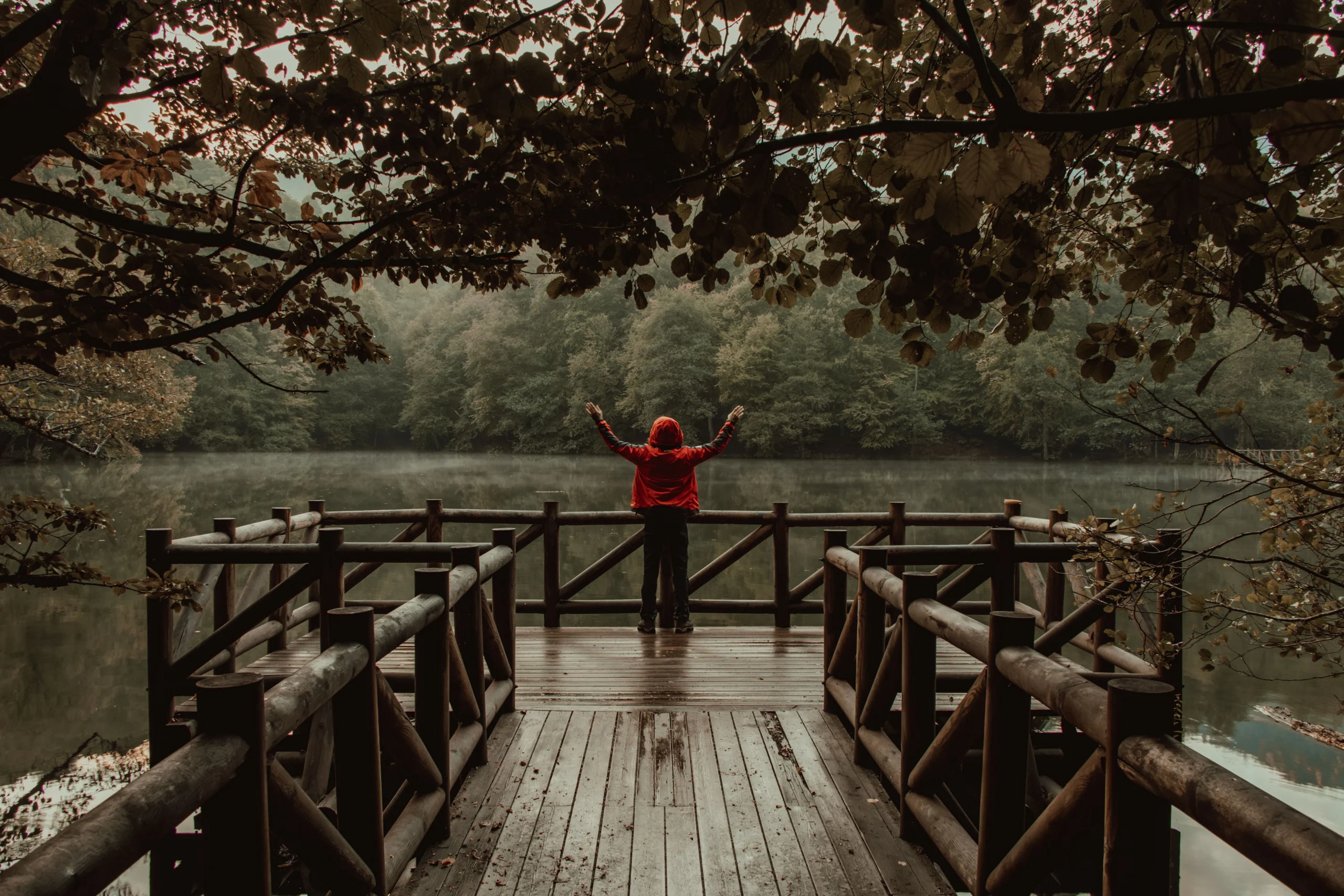
Out in the Blue Ridge Mountains, the sensory shift arrives fast. No ambient city hum. No blue-light bleed through the curtains. Just Meadow Creek and wind moving through old-growth forest at whatever pace the day decides.
Why Summer 2026 Feels Different
Work never stayed at the office — remote arrangements gave people real flexibility, then quietly colonized evenings, weekends, and vacations with the constant possibility of an incoming message. Average screen time hit 7.5 hours daily in 2025, excluding passive television. The anxiety underneath that level of connectivity isn’t sharp. It’s low-grade and constant, like a refrigerator hum you stopped consciously hearing months ago.
The body registered it regardless. Sleep architecture degrades. Attentional span contracts. A persistent low-level cortisol elevation turns up in the bloodwork of people who describe themselves as “basically fine.” By 2023, burnout researchers had largely stopped framing this as a personal failing — the data pointed too consistently at structural causes. Phones in every pocket. Notifications firing every nine minutes on average.
The harder reset is what people want now. Not a massage. Something that actually cuts the loop.
What Separates a Real Detox Retreat from a Marketing Label
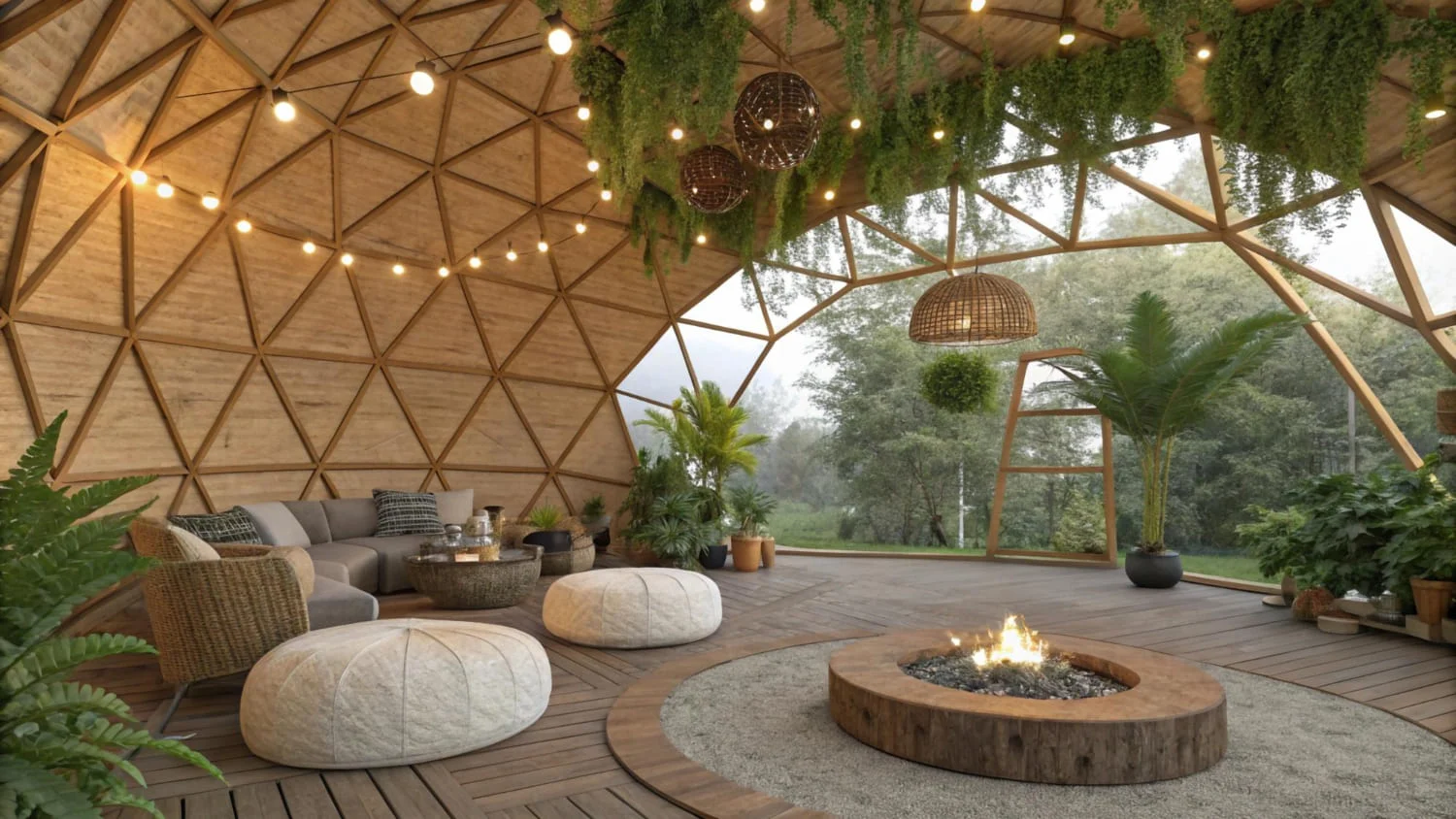
Plenty of resorts attach the word “detox” to a juice menu and call it wellness. Three things actually shift outcomes at a detox retreat:
The environment handles disconnection — not willpower. Not a “digital-free zone” sign near the pool bar. At Wheel of Bliss, the remote Blue Ridge location manages this by design — limited cell service, no commercial wifi zones, and hundreds of acres of National Forest standing between guests and the outside world. You don’t need to resist the phone. There’s genuinely not much to check.
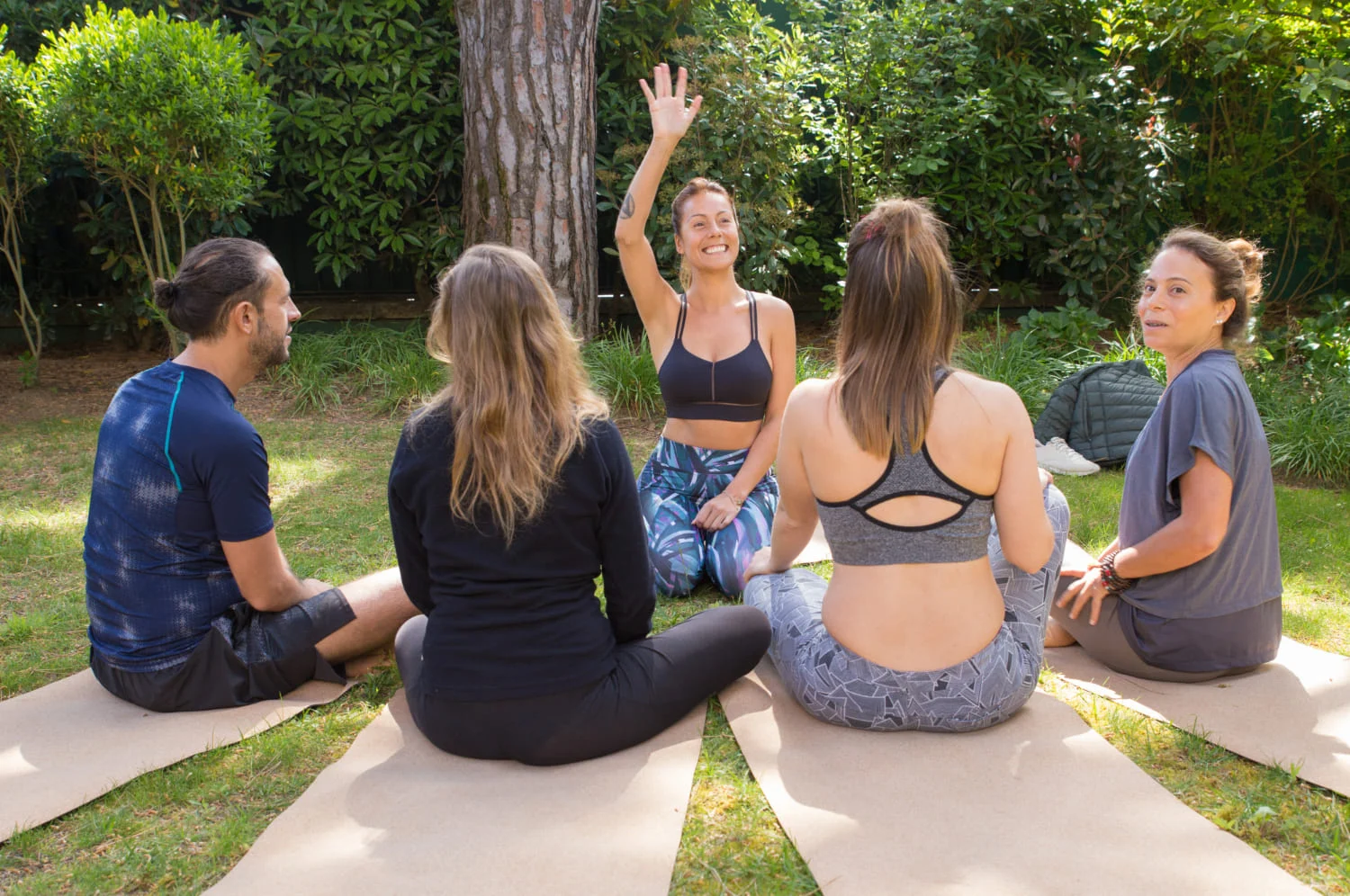
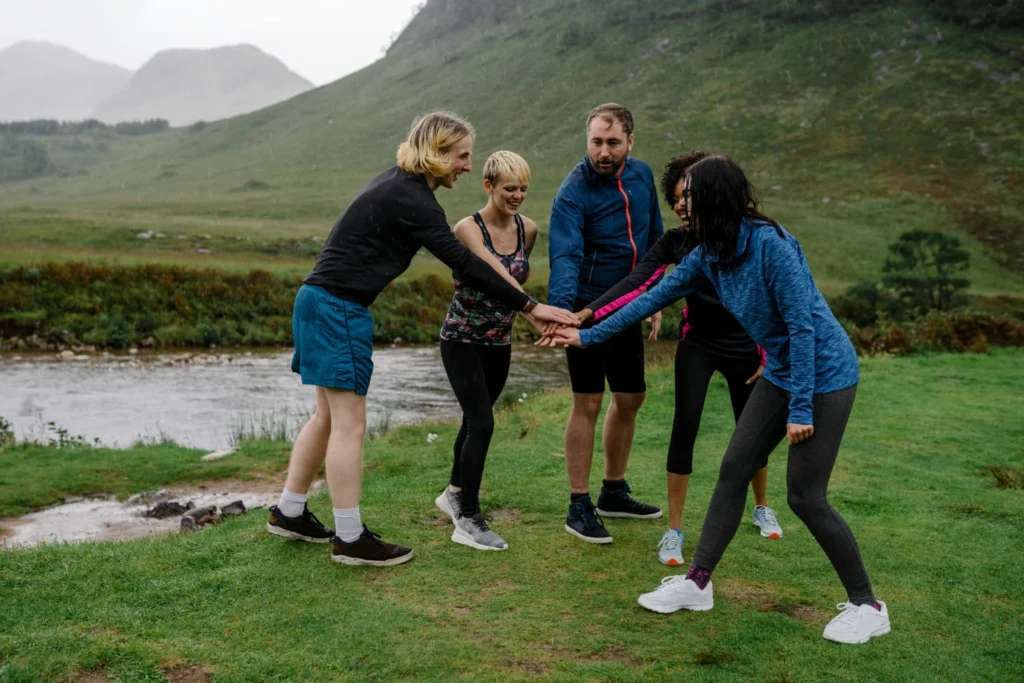
Somatic practice releases what screen time deposits. Digital stress settles into the body — shallow breath, tight jaw, shoulders riding somewhere near the ears. A yoga digital detox retreat targets that directly: morning sessions in the Celestial Center yurt, breathwork by the creek, mindful walking meditation through the Sacred Mountain Sanctuary. Not decoration. The actual mechanism.
Unstructured time in nature compounds everything else. Phytoncides, organic compounds trees release, measurably lower blood pressure and cortisol. Moving water generates negative ions linked to mood recovery and faster cognitive restoration. Spend four hours with no itinerary and a mountain creek ten feet away, and what happens isn’t mystical. It’s physiological.
The Place Itself
Most wellness destinations compete on amenities — infinity pools, celebrity chefs, bespoke treatment menus. Wheel of Bliss runs on something harder to replicate.
Founded in 2012 as a sanctuary for Tibetan Buddhist practice, the center grew into an interspiritual space open to every tradition, grounded in none exclusively. Sixty-three acres of Blue Ridge land carry a Certified Wildlife Habitat designation. Clean mountain spring water flows through the property. At night, no light pollution — just ridgeline and sky.
| Space | What Happens There |
|---|---|
| Bliss House | Main accommodation — private and shared rooms, rustic and functional |
| Celestial Hall | Shared meals, group circles, teachings, evening gatherings |
| Celestial Center (Yurt) | Ceremonial space for meditation, breathwork, and yoga |
| Sacred Mountain Sanctuary | Silent walks, solo contemplation, land-based ceremony |
| Meadow Creek House | Private creekside cabin for solo detox retreats or facilitator stays |
Asheville sits about an hour away; Hot Springs, 30 minutes. Close enough for easy airport access, far enough that none of it bleeds in once you’re here. A day retreat gives first-timers a real entry point before committing to a longer stay. The scale stays small — no 200-person corporate packages, no back-to-back events competing for the same ground. Intimacy isn’t a limitation here. It’s the whole design.
Signs a Regular Vacation Won’t Fix This
Run through these honestly:
- Checked work email before breakfast on your last trip — every morning, not just once
- Hotel wifi slowing down triggered irritation you knew, even as it happened, was out of proportion
- Spent more time framing a meal for Instagram than actually eating it
- Came home from the last trip needing a few days to recover from being away
- Can’t name the last time you sat outside for a full hour without reaching for your phone
One of those? Fine. Three or more, and your nervous system has been running a deficit longer than you’ve acknowledged. A digital detox vacation stops being a nice idea at that point, it becomes the only kind of break with any real chance of registering.
What “Luxury” Actually Costs in 2026

Five-star hotels aren’t rare. Private pools aren’t rare. What commands a genuine premium now, the thing people rearrange calendars and budgets for, is an uninterrupted morning. A full night’s sleep that doesn’t fragment at 3 a.m. The particular satisfaction of finishing a thought.
None of that requires a Michelin-starred kitchen. It requires 63 acres in North Carolina, a ceremonial yurt, mountain spring water, and the specific relief of realizing two days passed without once checking the inbox.
Final Thoughts
For decades, the travel industry sold the idea that stress was a location problem — go somewhere beautiful and it would hold itself in suspension. What people keep discovering, sometimes after several expensive attempts, is that the stress packs themselves in the carry-on. A digital detox retreat removes the actual source rather than changing the scenery around it, which is why Wheel of Bliss has drawn seekers to these mountains since 2012. The land has been doing this work long enough to be good at it.
FAQ
How many days does a digital detox vacation need to work?
Three nights reaches a functional baseline. Five to seven days produces results that carry past the trip itself. The first 48–72 hours largely function as decompression - the brain keeps waiting for notifications that don't arrive. Recovery deepens once that anticipation stops.
Do I need yoga experience to join a yoga digital detox retreat at Wheel of Bliss?
No prior experience needed. Yoga here gets practiced as a somatic and contemplative tool, not a fitness performance - breath, body awareness, physical release. Sessions adapt to whoever shows up that morning.
What should I pack for a detox retreat?
Layered clothing for mountain weather (the Blue Ridge shifts fast), a paper journal, any personal practice items you already use, and a genuinely open schedule. Leave the laptop at home. If the phone comes, keep it in your bag rather than your pocket - the behavioral difference between those two things is larger than it sounds.
Can a digital detox retreat help with burnout and anxiety?
Consistently, yes. Reduced screen exposure links to lower cortisol, improved sleep quality, and measurable drops in reported anxiety within 72 hours. Combine that disconnection with somatic practice and sustained time in a forest setting, the model Wheel of Bliss runs on, and the effects build on each other considerably.