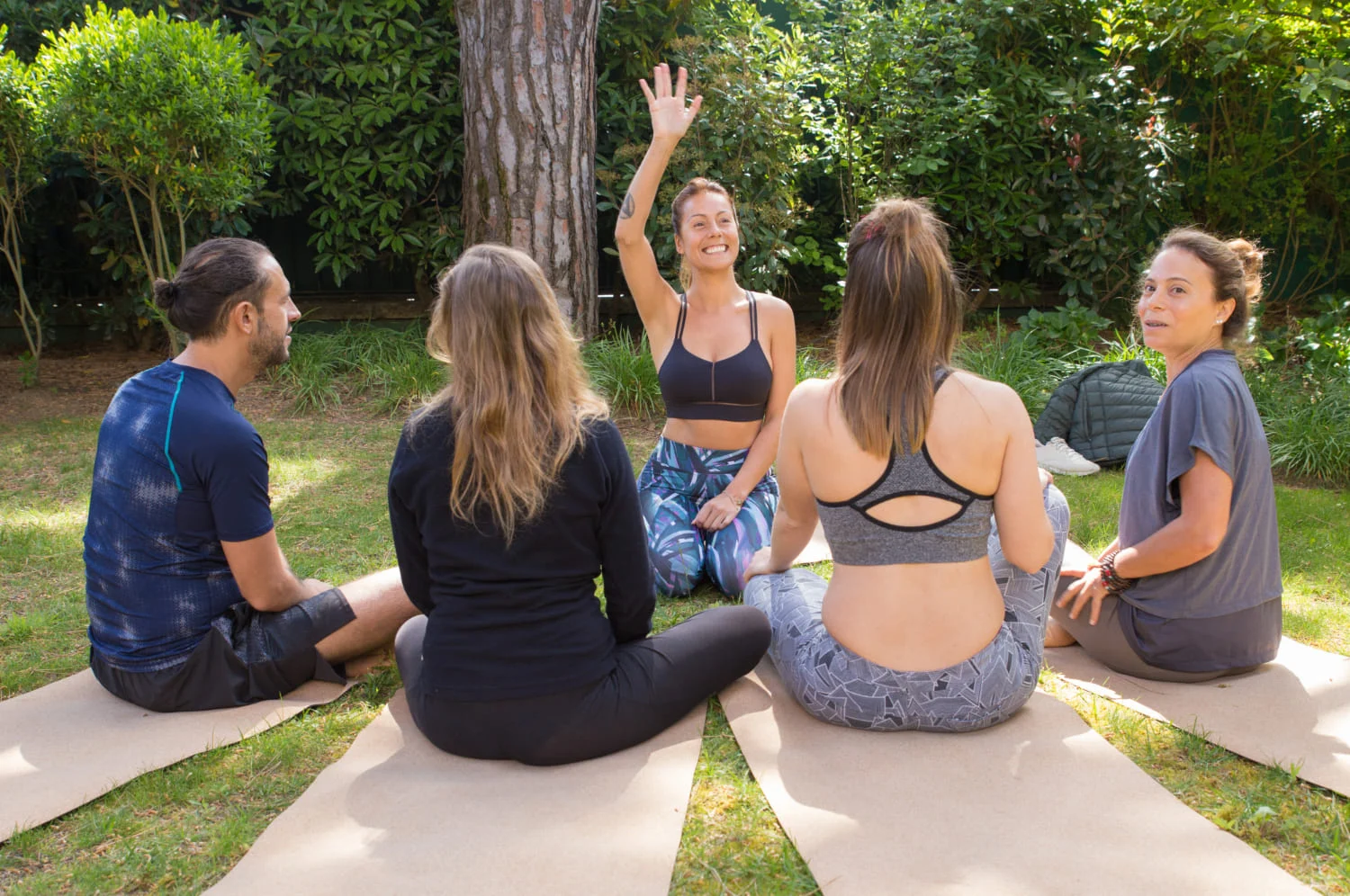
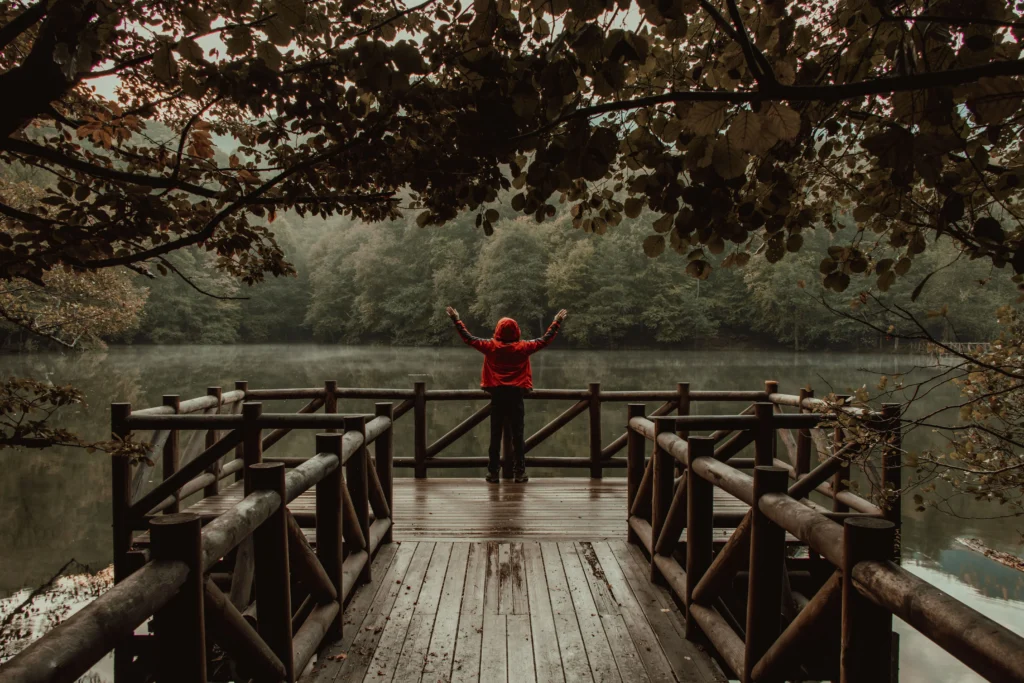
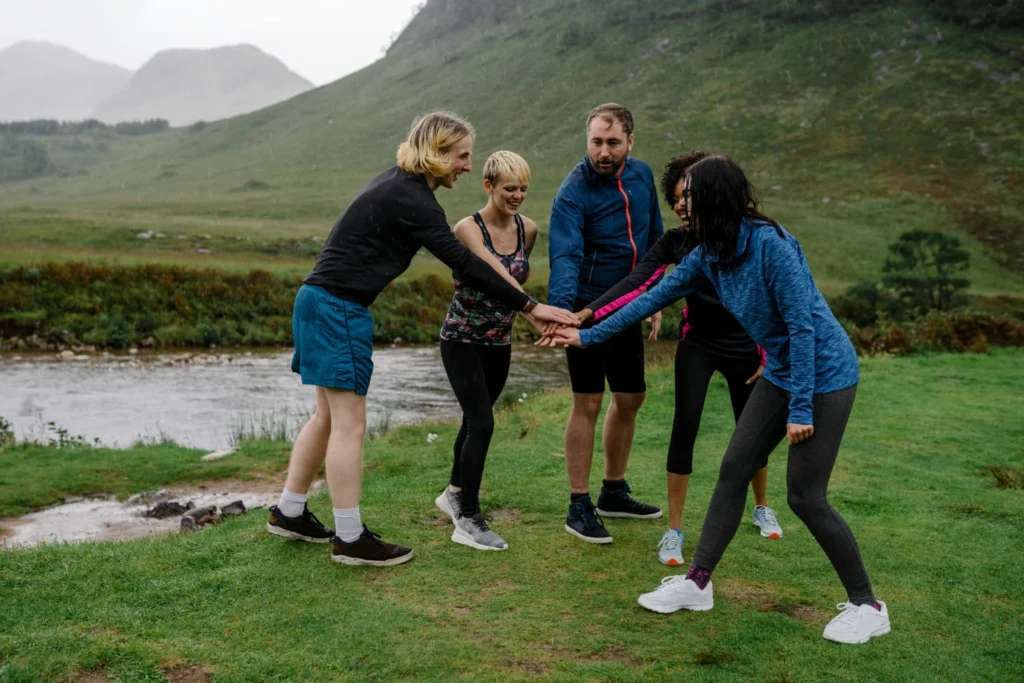
Yoga at sunrise. A singing bowl. Someone telling you to breathe. You’ve probably seen the images, and they don’t exactly scream “clinical intervention.” So what’s actually going on when people show up to retreats for depression and anxiety, and why does any of it work? The honest answer has nothing to do with escaping your problems for a long weekend. It has to do with how the body stores distress.
Key Takeaways
- Your nervous system doesn’t reorganize through insight alone – body-based practices like breathwork, somatic work, and forest immersion do something that 50 minutes in an office chair simply can’t
- Depression retreats build unscheduled time into the day on purpose. Empty space isn’t downtime – it actively quiets the part of your brain that catalogues disasters and replays them
- Cutting screens for 48–72 hours as part of a digital detox removes one of anxiety’s main fuel sources, and most people don’t realize how loud the noise was until it stops
- Retreats for depression and anxiety work best for people who are functional but stuck – not in crisis, just unable to shift something that weekly sessions haven’t moved
- Not ready to commit to a multi-day stay? A day retreat gives you the real thing in a single session
- Mountain forests, running water, open land – these lower cortisol measurably. The setting doesn’t just set the mood. It works on you physiologically
What’s Actually Happening on Day One
Step onto 63 acres in the Blue Ridge Mountains of North Carolina, surrounded by national forest on all sides, and the first thing that hits you isn’t peaceful. It’s disorienting. Real quiet. Streams and wind, not a spa playlist. No traffic. No push notifications. Nothing.
For anyone carrying chronic anxiety, that silence lands strangely. Uncomfortable, even. Your nervous system has spent months, maybe years, calibrated to urgency, and removing all that input doesn’t feel like relief right away. It feels like something’s missing. That discomfort is the recalibration starting.
Most depression retreats keep day one deliberately unhurried. Nobody’s asking you to cry before dinner or announce your intentions to the group. You check in, drop your bags, eat something warm with other humans. Maybe wander the sanctuary land. At Wheel of Bliss, the evening typically opens with a circle in the Celestial Center, a large ceremonial yurt, where people gather with no pressure to perform their pain. More of a: we’re all here, we all know why, and nobody needs to explain themselves tonight.
What Each Practice Actually Does to Your Body

Talk therapy operates on the story you tell about your life. Retreats go somewhere underneath that – into the tissue, the breath, the place where anxiety actually lives.
Breathwork reaches the autonomic nervous system in a way that talking about your feelings never will. Long, slow exhales activate the parasympathetic branch – the “rest and digest” system that anxiety keeps suppressed. One serious 60-minute session can shift your baseline nervous system state in ways that hold for days.
Somatic experiencing moves more quietly, but often hits grooves that nothing else does for people attending depression retreats. No narrating your history here – you track sensation directly. Where does your body hold the freeze? The grief? You move it, without needing to explain it first. People who’ve logged years in cognitive therapy frequently find this disarmingly effective precisely because it skips the explanatory loop.
Meditation in a ceremonial space surrounded by forest operates differently than your phone app at 7am. An hour of sitting in the Celestial Center at Wheel of Bliss – cedar, candlelight, mountain air – produces a quality of stillness that urban environments don’t reach. Where you sit changes what opens up.
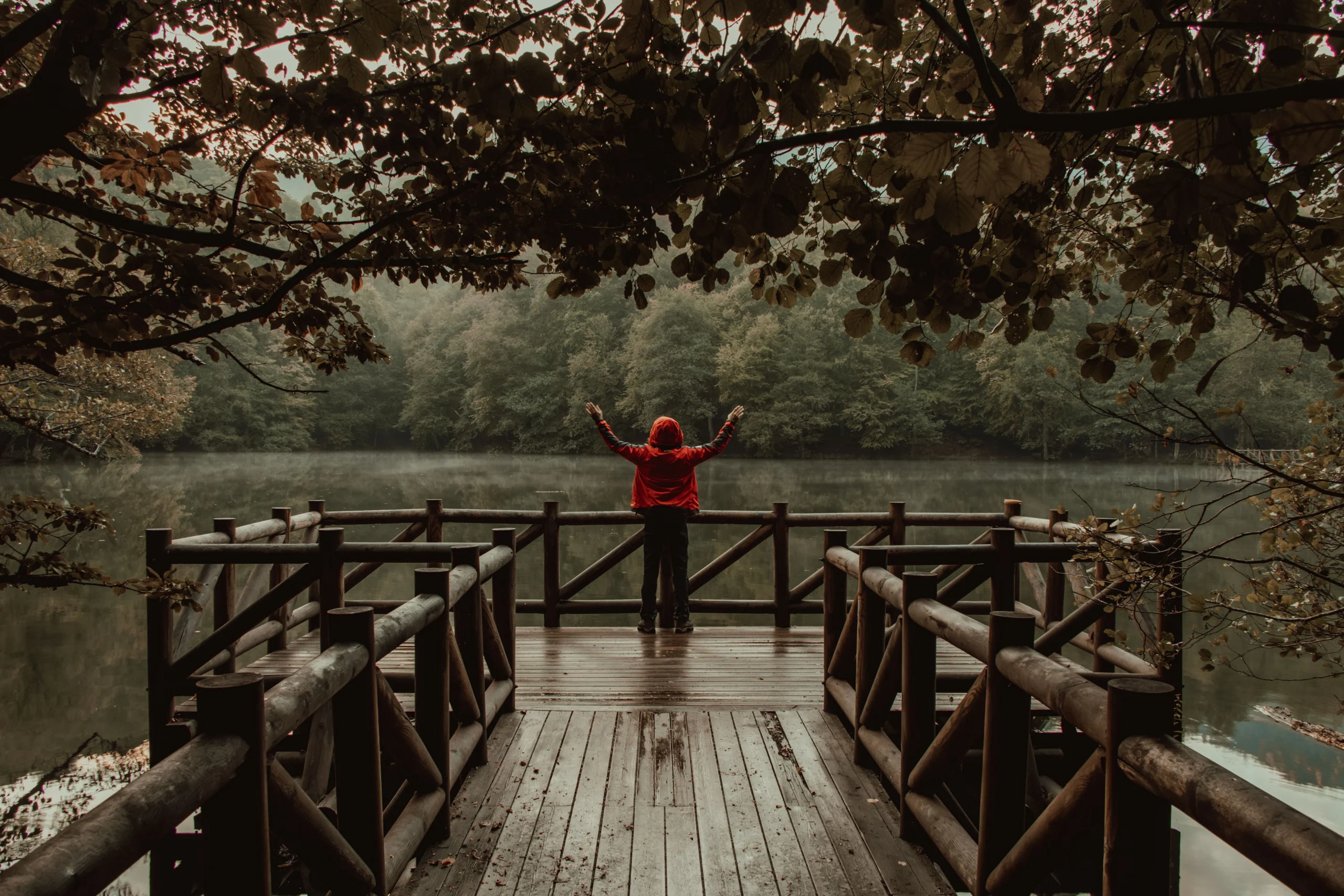
Shinrin-yoku, or forest bathing, carries documented physiological effects – not metaphors. Japanese researchers have recorded measurable drops in cortisol, blood pressure, and anxiety biomarkers after time in forested environments. Not parks. Actual forests. Wheel of Bliss’s Sacred Mountain Sanctuary puts you in exactly that: 63 acres of Blue Ridge forest with no agenda attached. Walk it slowly. That’s the whole instruction.
How a Typical Day Actually Flows
Knowing what each practice does is one thing. Seeing how they fit together across a full day is another. Retreats for anxiety and depression don’t run like packed wellness conferences – open space is woven throughout, not squeezed in at the end as an afterthought.
| Time | What’s Happening |
|---|---|
| 6:30 – 7:30 AM | Silent morning sit or guided meditation |
| 7:30 – 8:30 AM | Breakfast – unstructured, no agenda |
| 9:00 – 11:00 AM | Core practice: breathwork, yoga, somatic work, or sound healing |
| 11:00 AM – 1:00 PM | Free time – walks, journaling, creek, or just lying down |
| 1:00 PM | Shared lunch |
| 2:30 – 4:30 PM | Afternoon session, varies by facilitator |
| 4:30 – 6:00 PM | Open time – forest, fire pit, silence |
| 7:00 PM | Evening circle |
Notice all that open space. Depression runs partly on an internal narrator that never shuts up — cataloguing what went wrong, rehearsing future disasters, looping. When you strip away every external demand and give that narrator nothing to respond to, it runs out of material. Takes about 36 hours. Something quieter comes through after.
Retreats vs. Therapy. What’s the Actual Difference?
Good therapy is irreplaceable for certain things. Nobody’s arguing otherwise.
But consider what traditional therapy actually is: 50 minutes, once a week, in an office, talking. Language-based, insight-driven, cognitive. Your nervous system hears all of that and stays exactly where it was. You can develop extraordinary clarity about why your anxiety exists and still wake up clenched every single morning.
Retreats interrupt the environment in which anxiety and depression operate. You’re not sitting in your apartment with the same triggers, the same phone, the same Tuesday routine. You’re in your body in a mountain forest doing practices that don’t require language at all. The immersion is the point. A two-hour weekly class doesn’t replicate it.
Worth naming clearly: retreats for depression and anxiety work best for people who are stuck, not in freefall. Low-grade depression that hasn’t lifted. Anxious patterns your therapist knows about but can’t seem to shift. Burnout that sleep hasn’t touched. Acute crisis calls for clinical intervention – no retreat replaces that.
What Happens When You Take the Screens Away
Honestly, this part surprises people more than the meditation does. The digital detox piece of any retreat for anxiety gets dismissed as a soft wellness add-on. Strip away your phone for 72 hours and something physiological happens that no amount of mindfulness apps can replicate.
Notifications, news cycles, social comparison – each ping keeps your nervous system in mild alert. Not panic. Just a low, persistent hum of vigilance that most people have stopped noticing because it never switches off. Pull that away, and the first 24 hours feel fidgety. Like you keep reaching for something that isn’t there.
By day three, guests consistently report sleeping harder, thinking more clearly, reacting less to small provocations. That’s what happens when the input volume drops below a certain threshold and stays there.
Not Sure Yet? Start With a Day

Five days in the mountains sounds like a lot. It is a lot – the time, the cost, the emotional unknown of it. A day retreat at Wheel of Bliss offers the actual experience condensed: mountain sanctuary, guided practice, genuine unstructured time, no overnight commitment required.
Most people leave knowing one of two things – that this format isn’t for them, or that they need to come back for longer. Either outcome is worth having before booking a week.
Retreats for depression and anxiety don’t require you to hit rock bottom first. People in the middle, functional, getting through it, aware that something isn’t right, tend to get the most out of them. The Blue Ridge Mountains don’t need you to explain why you came. Come anyway.
FAQ
How long does a retreat for anxiety typically run?
Anywhere from a single day retreat to week-long stays. Three to five days gives enough runway for real shifts – day one is mostly landing, and the deeper work tends to arrive around day two or three.
Can a retreat actually replace therapy?
Different tools, different jobs. A retreat can restart something therapy has stalled, deepen work that's been locked in the cognitive layer, or fill a gap for people without a therapist. It doesn't replace clinical care for serious mental health conditions.
What's the emotional experience like during a depression retreat?
Unpredictable, honestly. Some people feel lighter within 24 hours. Others move through restlessness, then something raw, then something cleaner. Breathwork and somatic sessions can surface difficult material – that's partly the point. Skilled facilitators stay present for whatever comes up.
Does a natural setting actually make a clinical difference, or is it just pleasant?
Shinrin-yoku research says it makes a measurable difference. Cortisol drops. Blood pressure drops. Anxiety biomarkers drop – in ways that urban wellness environments don't replicate, regardless of how thoughtfully designed they are. Remote forest, not a rooftop garden. That distinction holds up physiologically.